
Unlocking Potential: A Deep Dive into Mini Rice Mills
In the heart of many rural landscapes lies a hidden gem of agrarian innovation: the mini rice mill. Though often overshadowed by larger, industrial milling operations, these compact machines are quietly revolutionizing the way rice is processed, transforming local economies while empowering smallholder farmers. As the global demand for rice continues to soar, these nimble mills offer a unique solution, marrying tradition with technology and sustainability with efficiency. This article embarks on a journey to unravel the intricate dynamics of mini rice mills, exploring their role in enhancing productivity, reducing post-harvest losses, and fostering community growth. Join us as we delve into the mechanics, benefits, and challenges of these small yet mighty mills, revealing how they hold the key to unlocking the potential of a staple crop that nourishes billions.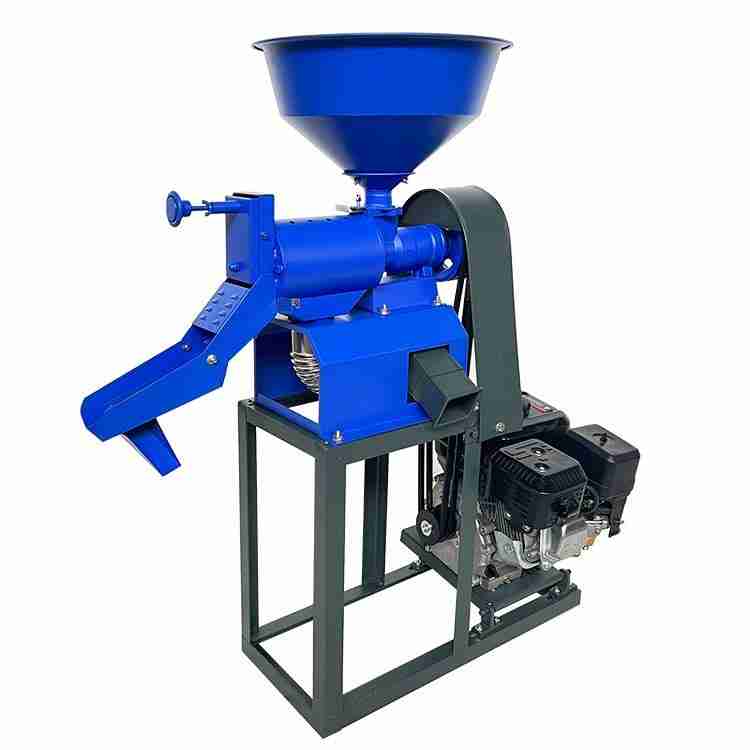
Understanding the mini rice mill Revolution
The emergence of mini rice mills marks a significant shift in agricultural practices, particularly in regions where traditional milling methods have dominated for decades. These compact and efficient machines are designed to cater to the needs of small-scale farmers and entrepreneurs, significantly improving rice processing efficiency. Factors contributing to the rise of mini rice mills include:
- Affordability: Lower initial investment compared to larger milling operations.
- Accessibility: Small farmers can easily set up and operate these mills locally.
- Customization: Versatile designs that can be adapted for different types of rice and processing needs.
In addition to enhancing local economies, mini rice mills also contribute to reducing post-harvest losses, ensuring higher quality rice, and improving food security. They have empowered farmers, enabling them to take control over their production processes. Key advantages of adopting mini rice mills include:
| Advantage | Description |
|---|---|
| Reduced Processing Time | Mills operate at higher efficiency, decreasing time from harvest to market. |
| Quality Improvement | Innovative technology ensures better milling quality and less broken rice. |
| Local Employment | Creates job opportunities in rural areas through mill operation and maintenance. |

The Economic Impact of Small-Scale Rice Milling
The proliferation of mini rice mills has transformed not only the agricultural landscape but also the economic framework of rural communities. By establishing localized processing facilities, farmers have greater control over their produce, leading to higher profit margins and reduced dependency on external milling services. This localized approach means that farmers can engage in value addition, milling their paddy into rice on-site, thus retaining more income within the community. The economics of small-scale milling also facilitate the creation of local jobs, alleviating rural unemployment and stimulating entrepreneurial ventures around the milling value chain.
Moreover, the environmental impact of mini rice mills cannot be overlooked. These small-scale operations often utilize energy-efficient technologies and sustainable practices compared to larger traditional mills. The result is a reduction in both operational costs and carbon footprints. Additionally, by supporting local economies, mini rice mills help to stabilize food prices in the region, contributing to food security and resilience against market fluctuations. As communities harness the potential of these mills, the overall economic landscape shifts towards greater self-sufficiency and sustainability.
| Benefits of Mini Rice Mills | Impact |
|---|---|
| Job Creation | Increased employment opportunities in rural areas. |
| Profit Retention | Farmers keep a larger share of income from their harvests. |
| Environmental Sustainability | Reduction of carbon emissions through efficient technologies. |
| Food Security | Stabilization of local food prices and increased access to rice. |
Optimizing Efficiency in mini rice mill Operations
In the journey towards maximizing productivity in mini rice mills, understanding and optimizing key operational aspects is crucial. Efficient workflow can significantly reduce processing time and increase output without sacrificing quality. Key areas to focus on include:
- Equipment Maintenance: Regular checks and timely servicing can prevent unnecessary downtime.
- Staff Training: Ensuring all personnel are well-trained in using machinery and best practices enhances overall performance.
- Input Quality: Sourcing high-quality paddy directly influences the finished product’s quality and yields.
Implementing technology and automation can play a vital role in streamlining operations. Advanced milling systems equipped with automatic controls not only improve precision but also minimize waste. Additionally, employing data analytics helps in:
- Monitoring Output: Tracking production rates allows for real-time adjustments and efficiency boosts.
- Identifying Bottlenecks: Recognizing areas that slow down the process enables timely interventions.
- Energy Management: Optimizing energy consumption can lead to significant cost savings in long-term operations.
| Key Strategy | Impact |
|---|---|
| Regular Equipment Maintenance | Increased uptime |
| Employee Skill Development | Higher efficiency rates |
| Automated Processing | Consistent quality |
Sustainable Practices for the Future of Rice Milling
The evolution of rice milling technology has paved the way for an eco-friendlier approach to processing this staple food. Mini rice mills, being compact and efficient, minimize energy consumption and reduce waste. By integrating renewable energy sources, such as solar panels, these mills can operate sustainably while decreasing reliance on fossil fuels. This shift not only lowers operational costs but also promotes a quieter, cleaner environment at the milling site, thus contributing positively to local communities.
A significant advantage of adopting mini rice mills is their ability to promote local farming practices. By prioritizing sourcing from nearby farmers, these mills foster sustainable agricultural practices that preserve soil health and biodiversity. Furthermore, the implementation of rainwater harvesting systems and efficient water usage technologies can enhance water conservation efforts. These approaches ensure that the rice milling process aligns with broader environmental goals, supporting initiatives like reduced emissions and enhanced soil fertility in the long run. Here are key sustainable practices that can enhance rice milling:
- Energy Efficiency: Utilize energy-efficient motors and machinery.
- Water Conservation: Implement efficient water management systems.
- Waste Management: Recycle and repurpose by-products such as husk and bran.
- Community Engagement: Partner with local farmers for sustainable sourcing.
- Renewable Energy: Invest in solar or wind energy solutions to power operations.
In Retrospect
As we draw the curtain on our exploration of mini rice mills, it’s clear that these compact powerhouses hold immense potential for transforming the agricultural landscape. By marrying technology with tradition, mini rice mills not only streamline production but also empower local communities to take control of their food resources. The future is ripe for innovation, and as we unlock the potential of these mills, we sow the seeds for economic growth, sustainability, and food security. As we move forward, let us continue to embrace these small yet mighty machines, recognizing their role in cultivating not just rice, but prosperity and resilience for generations to come. The journey of unlocking potential is ongoing, and the story of mini rice mills is just beginning to unfold.




