
In the heart of rural landscapes and bustling small-scale farms, a quiet revolution is brewing—one that promises to reshape the future of agriculture and empower communities. The mini rice mill, a compact and efficient machine, has emerged as a transformative force, unlocking possibilities that were once beyond reach for many smallholders. With its ability to streamline the milling process, reduce post-harvest losses, and enhance the quality of rice, this innovation is more than just a technological advancement; it is a catalyst for economic growth and sustainability. As we delve into the world of mini rice mills, we will explore the impact they have on local economies, food security, and the livelihoods of countless farmers, shedding light on how these seemingly modest machines are sowing the seeds of a brighter agricultural future.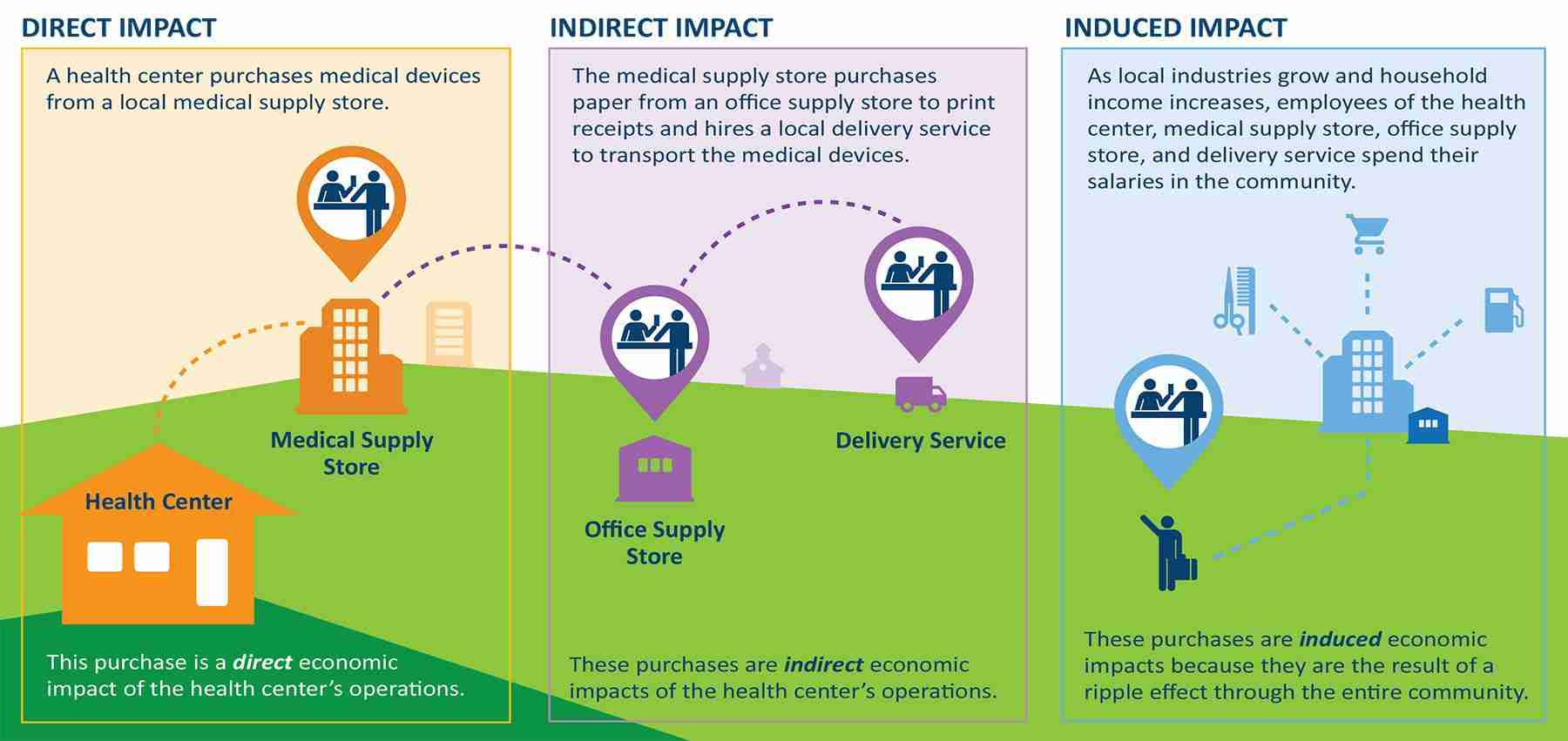
Exploring the Economic Impact of Mini Rice Mills
Mini rice mills are transforming agricultural landscapes and fostering economic growth in both rural and urban settings. By enabling farmers to process their own rice, these mills significantly reduce the dependency on larger processing facilities, which often impose high transportation costs and long waiting periods. As a result, farmers can enjoy a higher profit margin as they retain more value from their harvested crops. Moreover, local employment opportunities are created, as these mini mills require skilled and semi-skilled labor to operate, manage, and maintain the machinery. This not only contributes to income generation but also enhances community engagement in agricultural practices.
Additionally, the proliferation of mini rice mills stimulates local economies by promoting ancillary industries. From packaging and marketing to distribution, various sectors benefit from the rise of these milling units. The increased accessibility of freshly milled rice encourages local consumption, thus fostering food security and reducing reliance on imported grains. Governments and development agencies are now focusing on integrating these small-scale mills into their agricultural policies, supporting investment and infrastructure development. As such, the impact of mini rice mills is multi-faceted, contributing to sustainable growth and self-sufficiency in rice-producing regions.

Empowering Smallholders: Innovations and Accessibility
In a world where agricultural sustainability is paramount, the introduction of mini rice mills has emerged as a beacon of hope for smallholder farmers. These innovative machines are not merely tools; they represent a shift in how rural communities engage with their agricultural practices. By providing an accessible means to process rice efficiently, mini rice mills are helping farmers reclaim their time and resources. With the capability to handle smaller quantities, these mills empower local producers to transform their paddy into market-ready rice without reliance on distant processing plants. This localized approach not only enhances productivity but also fosters a strong sense of community and self-sufficiency.
The impact of mini rice mills extends beyond just processing efficiency; they also facilitate various socio-economic benefits for smallholders. For instance, by adopting this technology, farmers can experience:
- Increased Income: Higher market prices for freshly milled rice.
- Job Creation: Opportunities for local employment in rice milling operations.
- Reduced Waste: Maximizing output and minimizing by-products through innovative milling techniques.
- Access to Knowledge: Workshops and training programs associated with the technology.
Additionally, a recent survey highlights the key advantages of adopting mini rice milling technology:
| Advantage | Benefit |
|---|---|
| Affordability | Lower initial investment compared to traditional mills |
| Portability | Can be easily transported to various farming locations |
| Efficiency | Faster processing times result in quicker sales |
| Versatility | Capability to process different grain types beyond rice |
By embracing these mills, smallholders are not just adopting new technology; they are redefining their roles in the food supply chain, proving that innovation can flourish in the heart of rural communities.

Sustainable Practices in Mini Rice Milling Operations
Amidst the growing emphasis on eco-conscious practices, mini rice milling operations have taken significant strides towards sustainability. By adopting energy-efficient machinery, these small-scale facilities reduce their carbon footprint while increasing productivity. Utilizing renewable energy sources, such as solar power, is becoming increasingly common, allowing millers to save on electricity costs and lower greenhouse gas emissions. Furthermore, the focus on waste reduction leads to innovative processing techniques that maximize the use of rice husks and other by-products as biofuel or organic fertilizers. This not only contributes to a circular economy but also enhances soil fertility, supporting local agriculture.
Another vital aspect of sustainable mini rice milling is the implementation of water conservation techniques. Modern mills are now equipped with systems that recycle water used during the milling process, significantly reducing overall consumption. Additionally, training mill operators on sustainable practices promotes a culture of environmental stewardship within the industry. Community involvement is also key, as partnerships with local farmers ensure that sustainably sourced rice is being processed, thereby preserving biodiversity and supporting local economies. By making these prudent choices, mini rice mills serve as a model for sustainable development in agriculture.
| Practice | Description |
|---|---|
| Energy Efficiency | Utilizing machines that consume less energy and/or renewable sources. |
| Waste Utilization | Converting by-products into biofuel or organic fertilizers. |
| Water Recycling | Implementing systems that recycle water to reduce consumption. |
| Community Partnership | Collaborating with local farmers for sustainable sourcing. |
Future Trends: Technology and Market Expansion in Rice Processing
The landscape of rice processing is undergoing a seismic shift thanks to the advent of technology and the growing demand for efficiency in small-scale operations. As mini rice mills gain traction, they not only address the needs of smallholder farmers but also open up avenues for market expansion. Innovations such as automated milling, energy-efficient designs, and smart technology integration are becoming essential elements in the market. These technological advancements are enabling farmers to enhance the quality and accessibility of their produce, elevating their position in the competitive market. The trend is bolstered by supportive government policies aimed at promoting local production and reducing post-harvest losses.
As businesses seek to capitalize on these emerging trends, the focus on sustainable practices and smart farming techniques is being prioritized. This includes the implementation of data-driven decision-making tools that allow for better crop management and resource utilization. The economic implications are significant, with rising investments in research and development set to unlock new opportunities for growth. To illustrate the impact, consider the following table summarizing key benefits of mini rice mills and their potential market implications:
| Benefits | Market Implications |
|---|---|
| Cost Efficiency: Reduced operational costs due to smaller scale of production. | Increased Profit Margins: Higher returns for producers leading to reinvestment in local communities. |
| Quality Improvement: Use of technology leads to superior milling quality. | Enhanced Market Reach: Ability to export higher quality products, increasing competitiveness. |
| Accessibility: Affordable solutions tailored for small farmers. | Economic Diversification: New business models emerging within the rice supply chain. |
Concluding Remarks
As we stand at the crossroads of innovation and tradition, the mini rice mill revolution embodies a transformative leap that is both practical and profound. By harnessing newly developed technology, these compact machines are not just reshaping the agricultural landscape; they are empowering farmers and local communities, turning challenges into opportunities and dreams into reality. As the grains of rice are milled with efficiency and care, so too are the aspirations of those who cultivate this staple of life.
In a world where small changes can yield significant impacts, the mini rice mill is more than a tool; it’s a catalyst for economic growth, food security, and sustainable practices. As we embrace this revolution, let us remember that every grain milled is a step towards unlocking greater possibilities, not just for farmers, but for entire communities that depend on them. The journey has just begun, and the future looks promising, one kernel at a time.




