
In a world where tailored solutions are the key to unlocking potential, the humble rice grain stands out as a symbol of nourishment and economic possibility. Behind its unassuming exterior lies a thriving industry powered by innovation and entrepreneurship. As global demand for rice continues to grow, the spotlight shines brightly on mini rice mill plants—compact, efficient, and capable of transforming raw paddy into a staple food that feeds millions. This guide embarks on a journey through the various facets of mini rice mill plants, exploring their design, operation, and the myriad opportunities they present for aspiring entrepreneurs and communities alike. Whether you’re a seasoned business owner or a newcomer eager to make a mark, this exploration offers insights into how mini rice mills can unlock not just grains, but abundant possibilities for growth and sustainability. Join us as we delve into the heart of this industry, inviting you to envision a future where small-scale operations make a big difference.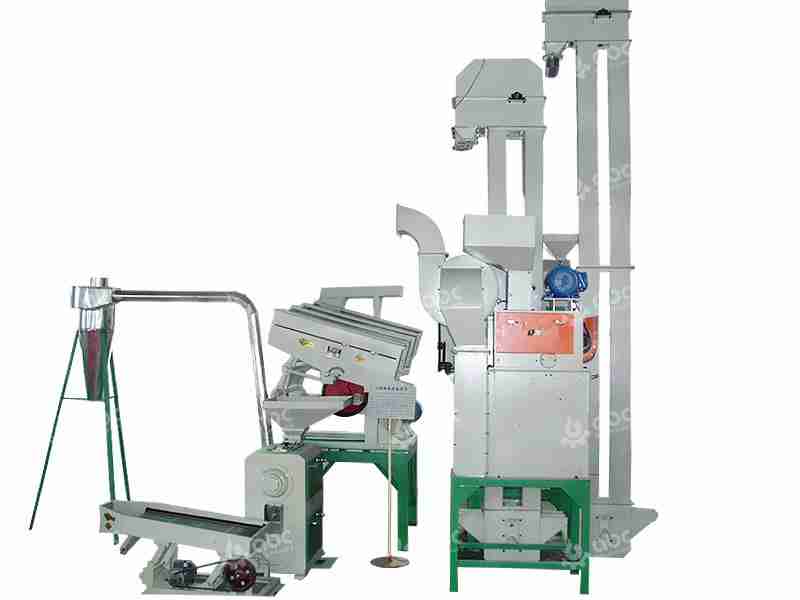
Understanding the mini rice mill Plant: Essential Components and Functions
At the core of every mini rice mill plant are several essential components that work synergistically to transform raw paddy into polished rice ready for consumption. Each element plays a vital role in the milling process, ensuring efficiency and quality. The main components typically include:
- Paddy Separator: This unit separates paddy from the unhulled grains using a combination of air pressure and gravity.
- Husk Removal Unit: Operates by removing the husk from the paddy, leaving behind clean white rice.
- Milling Chamber: This chamber houses the milling equipment where the actual grinding of grains takes place to produce flour.
- Grading Machine: It sorts the milled rice into different grades based on size and quality, ensuring uniformity for market standards.
In addition to these components, the mini rice mill also boasts refined functionalities that enhance its operational efficiency. Noteworthy features include:
- Auto Control System: Automatically regulates the milling process, optimizing both time and energy consumption.
- Dust Collector: Captures dust generated during milling to maintain a clean working environment.
- Storage Silos: These are crucial for storing paddy prior to processing and milled rice post-production.
| Component | Function |
|---|---|
| Paddy Separator | Separates paddy grains from unhulled rice. |
| Husk Removal Unit | Removes husk from paddy for cleaner rice. |
| Milling Chamber | Grinds the grains to produce rice flour. |
| Grading Machine | Sorts rice by size and quality for consistency. |

Evaluating Site Selection: Key Considerations for Optimal Performance
When it comes to establishing a mini rice mill plant, the site selection process is a pivotal step that can significantly influence the operational efficiency and profitability of the business. A well-considered location can lead to reduced transportation costs, improved logistics, and better access to resources. Here are some key factors to ponder:
- Proximity to Raw Material Sources: Ensuring that the site is close to rice suppliers can help in minimizing procurement costs.
- Accessibility to Transportation Networks: Locations with easy access to roads, railways, or waterways facilitate smooth distribution.
- Availability of Skilled Labor: Selecting an area with a workforce experienced in milling can enhance productivity.
- Infrastructure and Utilities: Reliable access to water, electricity, and waste disposal systems is essential for seamless operations.
Moreover, environmental considerations are increasingly essential in site evaluation. Analyzing local regulations and potential environmental impacts can help in avoiding future disruptions in operations. Below is a simple comparison of ideal site attributes versus common challenges:
| Ideal Site Attributes | Common Challenges |
|---|---|
| Close to agricultural zones | High competition for land |
| Established transport routes | Poor road conditions |
| Supportive local government | Strict zoning laws |
| Access to modern infrastructure | Limited utility services |
Investment Insights: Budgeting and Financial Planning for Your Rice Mill
Effective budgeting lays the foundation for a successful mini rice mill plant. Begin by identifying the key expenditures associated with your operation. This includes the costs of machinery, maintenance, labor, and raw materials. To ensure a comprehensive approach, consider establishing a detailed itemized budget that features:
- Capital Expenditure: Initial investment in machinery and land.
- Operational Costs: Regular expenses such as utilities and wages.
- Contingency Fund: Reserves for unexpected events or repairs.
Moreover, maintaining a cash flow forecast will provide clarity on your financial health and guide decision-making. Utilize a financial planner template to track income streams, which may include rice sales, by-products, and potential partnerships. Below is a simple example of projected monthly income for your rice mill:
| Month | Projected Income | Notes |
|---|---|---|
| January | $15,000 | Peak season sales |
| February | $10,000 | Post-harvest lull |
| March | $12,000 | Regular sales |
Sustainable Practices: Enhancing Efficiency and Reducing Waste in Operations
In the quest for operational excellence, mini rice mill plants are increasingly adopting sustainable practices that not only enhance efficiency but also play a crucial role in minimizing waste. By integrating advanced technology, such as sensor-based automation, these mills can optimize the entire rice milling process, ensuring that every grain is utilized effectively. Implementing energy-efficient machinery reduces electricity consumption while also lowering operational costs. Additionally, the use of biodegradable packaging for rice products significantly decreases plastic pollution, contributing to a greener environment.
Furthermore, mini rice mill operators can adopt practices such as water recycling systems and waste-to-energy solutions that transform by-products into valuable resources. Key strategies include:
- Collecting and reusing water in the milling process
- Converting husk and bran into biofuel, which helps power the mill
- Establishing partnerships with local farms for organic waste disposal
These initiatives not only cut operational costs but also bolster community engagement and encourage local collaborations. Below is a summary of the potential impact of implementing these sustainable practices:
| Practice | Impact |
|---|---|
| Water Recycling | Reduces water waste |
| Biodegradable Packaging | Minimizes plastic waste |
| Waste-to-Energy | Generates renewable energy |
Wrapping Up
As we conclude this journey through the world of mini rice mill plants, it becomes evident that these compact marvels are more than just machines; they are gateways to opportunity. By understanding their mechanics, benefits, and the vast potential they unlock, entrepreneurs can embark on a transformative path that not only enhances agricultural productivity but also uplifts local economies.
The mini rice mill is a testament to innovation, making it possible for small-scale farmers and businesses to thrive in a competitive market. As you ponder the insights shared in this guide, consider the ways in which these plants can empower communities, create jobs, and contribute to food security.
The future of rice milling is not just about growing crops; it’s about cultivating possibilities. Whether you are an aspiring entrepreneur or an established player in the agricultural landscape, the insights gleaned here can help you take the next step toward success. Embrace this opportunity to unlock the potential of mini rice mill plants and be a part of a sustainable and prosperous agricultural revolution. Your journey starts now.




