
In the heart of agricultural innovation, where tradition meets technology, lies a transformative development poised to reshape the landscape of rice production: the mini rice mill plant. This compact yet powerful solution has emerged as a beacon of opportunity for small-scale farmers and entrepreneurs alike. As the demand for rice continues to soar globally, the mini rice mill plant offers a unique advantage, streamlining processing operations and enhancing productivity without the need for extensive capital investment. In this article, we will explore the myriad benefits of mini rice mill plants, delving into how they unlock new pathways for economic growth, sustainability, and self-sufficiency in communities around the world. Join us as we uncover the potential that lies within these nimble machines and the impact they are making on the agricultural sector.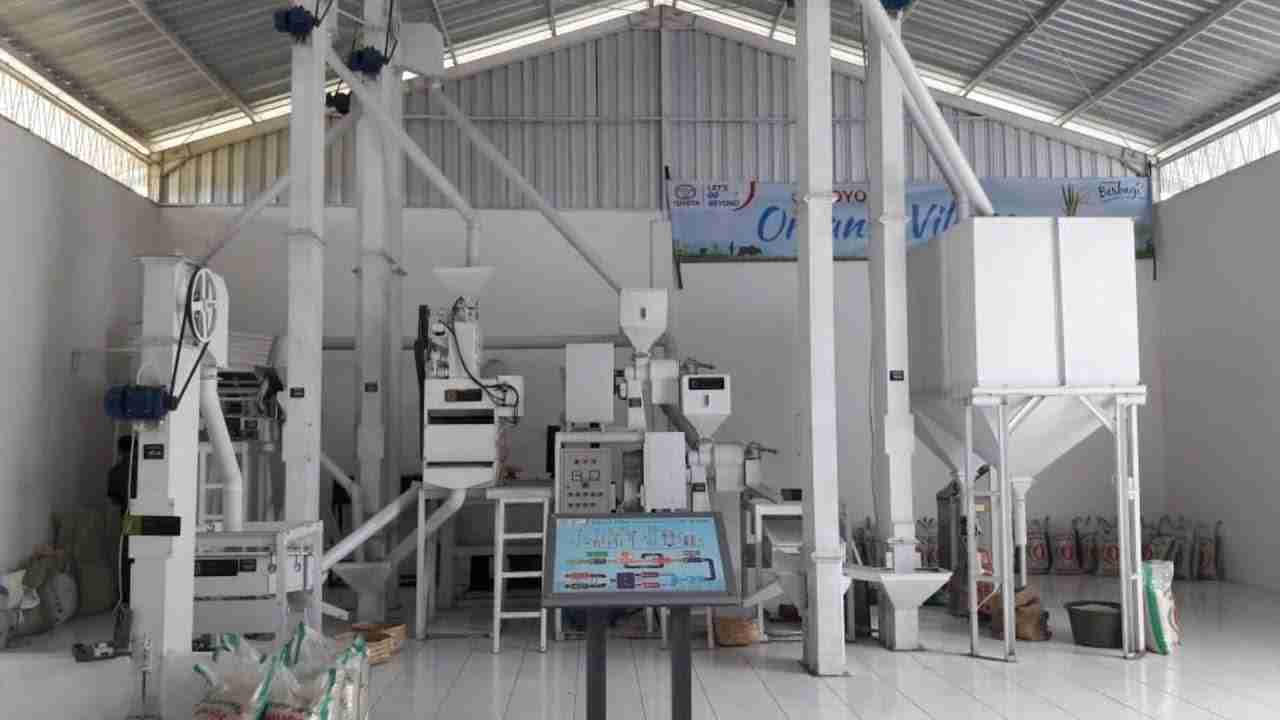
The Rise of mini rice mill Plants in Modern Agriculture
The agricultural landscape is rapidly evolving, and mini rice mill plants are at the forefront of this transformation. As farmers seek sustainable methods to increase productivity and reduce operational costs, these compact milling solutions have emerged as a viable alternative to traditional, larger rice mills. mini rice mill plants offer numerous advantages, including space efficiency, lower capital investment, and minimal energy consumption. As a result, they cater especially well to smaller farms that require flexibility and adaptability in their operations.
Furthermore, the incorporation of mini rice mill plants fosters local economies by promoting self-sufficiency among farmers. By processing their own rice, farmers can maintain higher profit margins, reduce dependency on external milling facilities, and ensure fresher products for their communities. The technology behind these mills has advanced significantly; many are equipped with automated systems, which streamline the milling process and enhance output quality. In addition, they contribute to a reduction in post-harvest losses, enabling farmers to harness the full potential of their crops:
| Benefit | mini rice mill Plants | Traditional Mills |
|---|---|---|
| Capital Requirement | Low initial investment | High initial investment |
| Energy Consumption | Lower energy use | Higher energy use |
| Space Requirements | Compact design | Large footprint |
| Processing Time | Faster milling | Longer milling |

Efficiency and Sustainability: The Core Benefits of Mini Rice Milling
One of the most compelling advantages of mini rice milling is its ability to streamline processes, ultimately enhancing overall productivity. By integrating cutting-edge technology in smaller setups, farmers and entrepreneurs can significantly reduce the time and resources required for processing rice. Key benefits include:
- Reduced Operating Costs: Mini mills minimize energy consumption and labor expenses, allowing for more competitive pricing.
- Quick Turnaround: With compact machinery, milling operations can be carried out faster, leading to quicker access to quality rice.
- Local Supply Chain Enhancement: Localized processing meets community demand without relying heavily on transportation, reducing carbon footprints.
Furthermore, sustainability becomes inherent when adopting mini rice mills. These systems not only save on energy but also significantly lessen waste through efficient utilization of byproducts. Notable sustainable practices include:
- Byproduct Utilization: Milling waste can be transformed into animal feed or biofuel, promoting a circular economy.
- Resource Conservation: Less water and fewer chemicals are utilized, protecting vital ecosystems adjacent to rice-growing regions.
- Low Environmental Impact: mini rice milling employs technologies that comply with low emission standards, fostering an eco-friendly processing environment.
| Feature | mini rice mill | Traditional Mill |
|---|---|---|
| Energy Consumption | Low | High |
| Processing Time | Fast | Slow |
| Waste Generation | Minimal | Excessive |
Investment Insights: What to Consider When Starting a mini rice mill
Before diving into the establishment of a mini rice mill, it’s essential to recognize the multitude of factors that can significantly influence the success of this venture. Market Research should be your first stop; understanding the local demand for rice and identifying potential competitors will provide insights into pricing strategies and production scale. In addition, consider establishing strong supply chains for both raw materials and finished products. Engaging with local farmers and suppliers can lead to mutually beneficial partnerships that ensure a consistent supply of quality paddy while securing your mill’s market share.
Furthermore, the technical requirements of setting up a mini rice mill cannot be overlooked. Quality Machinery is crucial in ensuring efficiency and reducing losses during processing. When selecting equipment, evaluate not only the cost but also the energy consumption and maintenance needs of the machines. Additionally, familiarize yourself with the necessary regulatory compliance for food safety and quality control to avoid potential legal hurdles. Here’s a snapshot of key considerations:
| Considerations | Details |
|---|---|
| Location | Maximize access to paddy and market |
| Budgeting | Include machinery, space, and operational costs |
| Workforce | Train skilled labor for optimal operation |
| Market Strategy | Define distribution channels and branding |
Maximizing Impact: Best Practices for Operating a mini rice mill Plant
To truly harness the potential of a mini rice mill plant, operators must focus on efficiency and sustainability. Understanding the intricacies of rice milling is crucial; therefore, investing in skilled training for the workforce can significantly enhance productivity. Additionally, leveraging modern technology, such as automated systems for quality control and maintenance, can minimize waste and optimize output. Some best practices to implement include:
- Regular Equipment Maintenance: A well-maintained mill runs more efficiently and with fewer breakdowns.
- Quality Sourcing: Acquire high-quality paddy to ensure superior rice output.
- Optimized Workflow: Design an effective workflow layout to reduce handling time and increase processing speed.
Moreover, building strong relationships with local farmers and communities can create a sustainable supply chain and foster loyalty. Establishing direct purchasing agreements not only supports farmers but also ensures a consistent supply of raw materials. To measure success, consider tracking key performance indicators (KPIs) such as yield rates and turnaround times. Below is a simple table illustrating essential KPIs:
| KPI | Target | Current Performance |
|---|---|---|
| Yield Rate | 75% | 72% |
| Turnaround Time | 2 hours | 2.5 hours |
| Customer Satisfaction | 90% | 85% |
By continually assessing performance and striving for improvements, mini rice mill operators not only maximize their operational efficiency but also contribute positively to the agricultural ecosystem. Combining technological advancements with a community-oriented approach creates an excellent foundation for sustained growth and success.
Concluding Remarks
the mini rice mill plant stands as a beacon of opportunity in the agricultural landscape, transforming not only how we process this staple grain but also how communities can thrive. By embracing this innovative approach, entrepreneurs and small-scale farmers are empowered to unlock new avenues for growth, sustainability, and economic resilience. As we move forward, the advantages of these compact yet efficient systems promise to reshape the rice milling industry, making it more accessible and beneficial for all. The journey of unlocking opportunity is just beginning, and the mini rice mill plant is leading the way, sowing the seeds of promise for a brighter agricultural future.




