
In a world where time is of the essence and efficiency holds the key to productivity, the rise of innovative agricultural machinery continues to reshape the landscape of food processing. Enter the mini rice mill, a compact yet powerful tool that is revolutionizing the way we approach rice production. Gone are the days of labor-intensive processing methods; today, this versatile machine is making rice milling accessible, efficient, and environmentally friendly. Whether you’re a smallholder farmer looking to streamline your operations or an entrepreneur seeking new ventures in the food industry, understanding the ins and outs of the mini rice mill can unlock a treasure trove of opportunities. In this article, we will delve into the mechanics, benefits, and real-world applications of this remarkable device, shedding light on how it fits into the larger narrative of agricultural innovation and sustainability. Join us on this exploration of efficiency, where tradition meets technology in the quest for better rice production.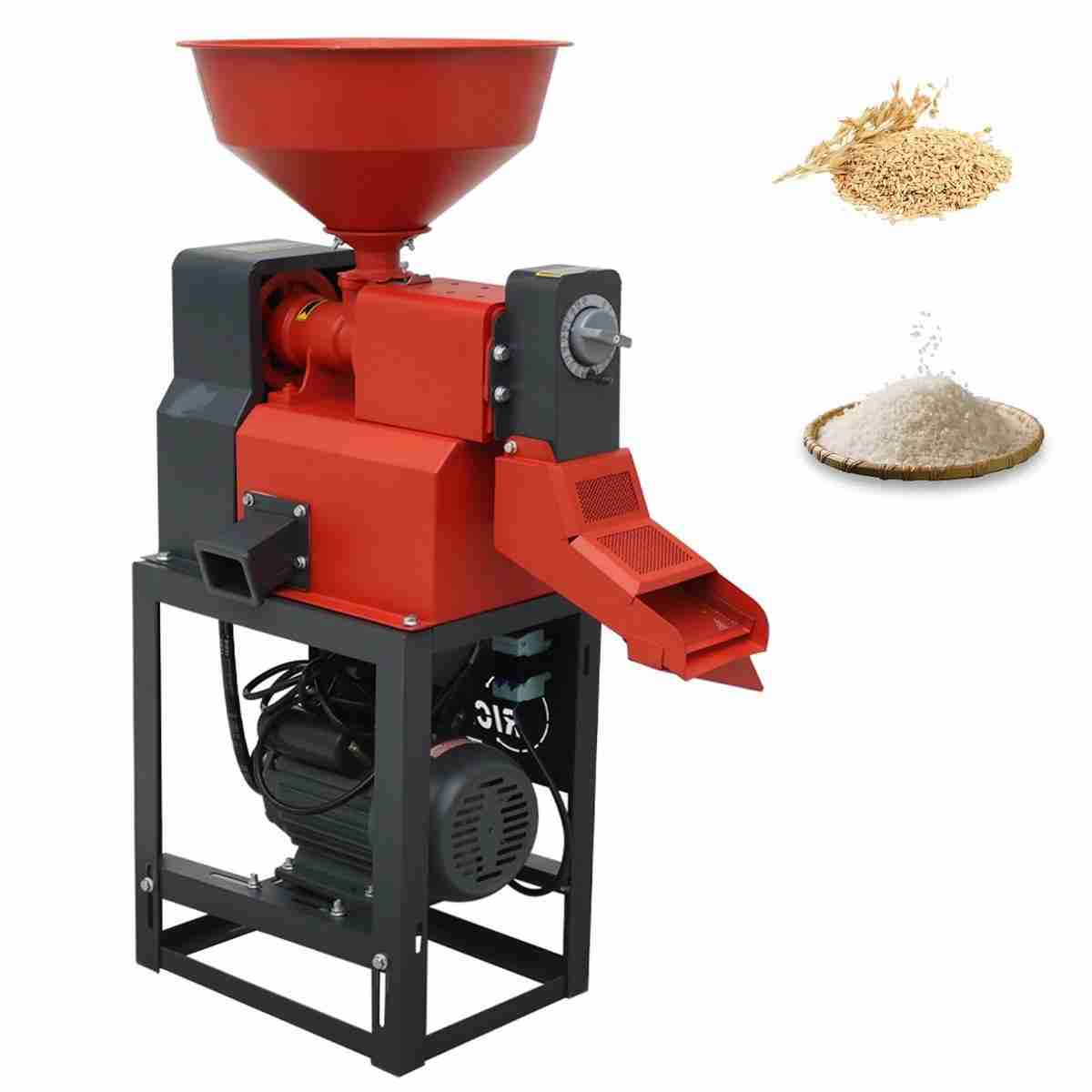
Understanding the Mini Rice Mill: A Comprehensive Overview
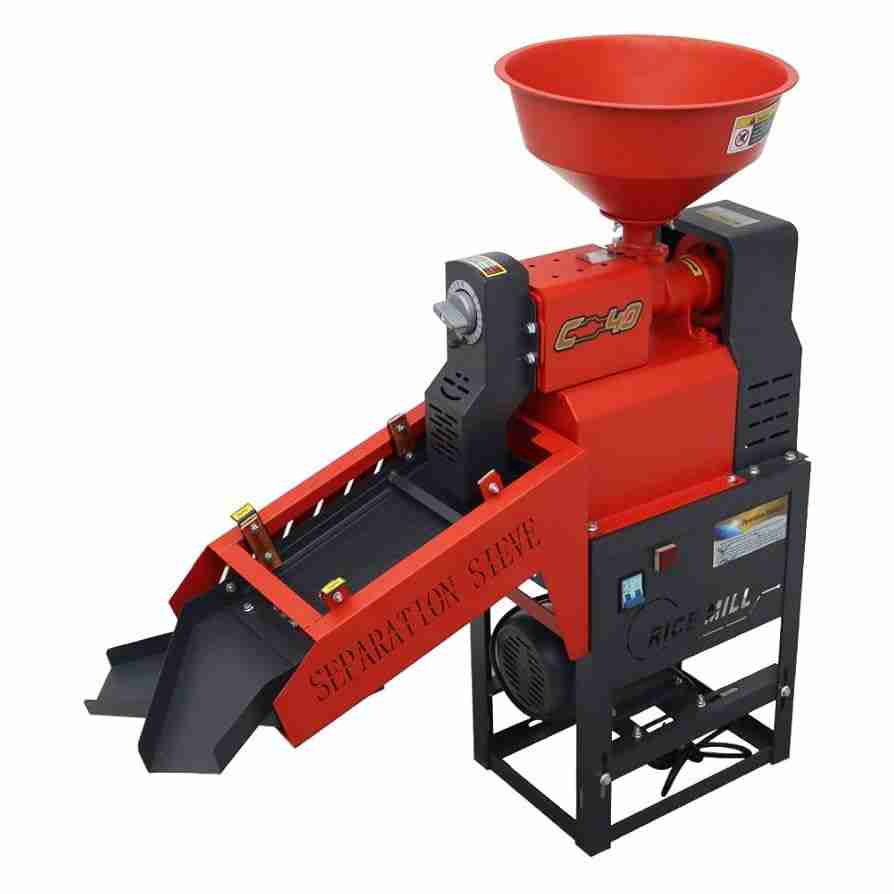
The mini rice mill is a revolutionary tool in the agricultural sector, designed for small to medium-scale rice processing. Its compact nature makes it suitable for a variety of settings, from rural farms to urban kitchens. Unlike larger rice mills, these machines combine efficiency with accessibility, allowing farmers and entrepreneurs to process paddy into rice at a fraction of the cost and space. Key features that highlight its versatility include:
- Compact Design: Easily fits into smaller operating environments.
- Energy Efficiency: Consumes less power, making it cost-effective.
- Multi-functionality: Capable of hulling, milling, and polishing rice.
- Easy Operation: User-friendly controls for quick setup and operation.
These machines often come with innovative technology that ensures better yield and quality of rice. Users can choose from different milling capacities based on their needs, making it an adaptable solution for micro-entrepreneurs in the agriculture industry. Here’s a quick comparison of different models based on their capacity and features:
| Model | Capacity (kg/h) | Power Consumption (kW) | Weight (kg) |
|---|---|---|---|
| mini rice mill A | 200 | 3 | 150 |
| mini rice mill B | 300 | 4 | 200 |
| mini rice mill C | 500 | 5 | 250 |
Key Benefits of Mini Rice Mills for Small Scale Farmers
Mini rice mills are revolutionizing the agricultural landscape for small scale farmers, offering a multitude of advantages that enhance productivity and profitability. One of the primary benefits is cost-effectiveness. Unlike larger industrial mills that often require significant capital investment, mini rice mills are more affordable and accessible. This allows small farmers to process their own paddy, reducing reliance on centralized facilities and minimizing transportation costs. Moreover, these mills are designed to be energy-efficient, lowering operational expenses while maximizing output.
Another key advantage is the enhancement of quality control. With a mini rice mill, farmers can manage the entire milling process, ensuring that the rice maintains its nutritional value and taste. They have the ability to experiment with various milling techniques that suit their specific needs, leading to customized and high-quality rice products. Furthermore, this setup fosters a sense of community empowerment, as farmers can collaborate, share resources, and create local value chains, ultimately benefiting the economy and strengthening their positions in the market.
Choosing the Right mini rice mill: Essential Features to Consider
When selecting a mini rice mill, it’s crucial to consider a variety of essential features that directly impact efficiency and usability. Quality of Construction is fundamental—look for robust materials that enhance durability and longevity. Additionally, focus on the Size and Model; smaller models are often lighter and more portable, making them ideal for home use or small-scale operations, while larger models may offer increased capacity and productivity. Ensure the mill you choose is equipped with a powerful Motor to handle different grain types effortlessly, and prioritize machines equipped with Multiple Functionality, such as the ability to hull, mill, and polish rice in one go.
Another vital aspect is Ease of Operation. Choose a model that features user-friendly controls to simplify the milling process. The Maintenance Requirements should also be considered; look for grinders with easy access for cleaning and routine checks. Furthermore, assess the Support and Service options available; a reliable after-sales service is paramount for troubleshooting and repairs. It’s wise to review customer testimonials and ratings, providing insights into the machine’s performance and potential issues that could arise, ensuring your investment yields the best results.
Maximizing Productivity: Maintenance Tips for Optimal Performance
For optimal performance from your mini rice mill, regular and precise maintenance is essential. Start by ensuring that all moving parts are adequately lubricated; this not only prolongs the equipment’s lifespan but also enhances its efficiency. Make it a habit to check the following at regular intervals:
- Clean the Hoppers: Residual grains can cause blockages and impair functionality.
- Inspect Blades: Dull blades can lead to poor milling results. Sharpen or replace them as needed.
- Check Alignment: Proper alignment of components helps reduce wear and tear.
- Monitor Electrical Connections: Ensure that all wiring and connections are secure to avoid operational hazards.
- Examine Filters: Clogged filters can restrict airflow, affecting performance.
Furthermore, understanding the overall operational conditions can significantly impact productivity. Keep a checklist handy to track all maintenance actions and any irregularities noted during use. Consider implementing a schedule based on mill usage, as outlined in the table below, to maintain an organized maintenance routine:
| Frequency | Task | Notes |
|---|---|---|
| Daily | Clean Hoppers and Exterior | Prevent grain build-up and maintain hygiene. |
| Weekly | Lubricate Moving Parts | Use appropriate lubricant to minimize friction. |
| Monthly | Inspect and Sharpen Blades | Ensure optimal milling performance. |
| Quarterly | Electrical Safety Check | Verify all connections and wiring. |
The Way Forward
the mini rice mill stands as a beacon of efficiency in the world of grain processing. With its compact design and multifaceted capabilities, it not only meets the diverse needs of individual farmers and small-scale producers but also contributes to the sustainability of rice production. As we continue to navigate an ever-evolving agricultural landscape, embracing such innovative solutions can lead to significant advancements in productivity, cost-effectiveness, and overall food security. Whether you’re a seasoned rice grower or a newcomer to the field, the mini rice mill offers a promising avenue to unlock greater potential in your operations. As we look forward to the future of farming, let us celebrate tools like these that empower us to cultivate with confidence and efficiency.




