
In the heart of agricultural innovation, a quiet revolution is taking shape, promising to transform the landscape of rice production and consumption. As the global demand for rice continues to surge, farmers and producers are seeking new ways to enhance efficiency without compromising quality. Enter the mini rice mill—a compact yet powerful tool that is redefining the age-old process of rice milling. This article delves into the rise of the mini rice mill revolution, exploring how these small-scale machines are not only unlocking efficiencies in the milling process but are also empowering farmers, boosting local economies, and addressing food security challenges. Join us on a journey through the evolution of rice milling, where tradition meets technology, and discover how a humble machine is paving the way for a more sustainable future in one of the world’s staple crops.
The Transformation of Traditional Farming Through Mini Rice Mills
In recent years, traditional farming practices have been significantly reshaped by the advent of mini rice mills, which have emerged as a game-changer for small-scale rice producers. These compact machines allow farmers to process rice with unprecedented ease and efficiency, transforming labor-intensive tasks into streamlined operations. With their ability to reduce milling time and labor costs, mini rice mills are democratizing access to rice processing, enabling even the smallest operators to compete in the market. Additionally, the enhanced quality of milled rice offered by these machines has resulted in higher market value, benefiting farmers economically and propelling rural development.
The shift towards mini rice mills is accompanied by substantial benefits that address the challenges faced by traditional farming communities. Farmers can now take advantage of:
- Reduced Processing Time: Processing rice can now be completed in a fraction of the time compared to conventional methods.
- Cost-Effectiveness: Lower operational costs lead to higher profit margins for farmers.
- Improved Product Quality: Enhanced milling technology increases the quality of the final rice product.
- Economic Empowerment: Local entrepreneurs can set up rice milling businesses, creating jobs and boosting local economies.
Furthermore, the introduction of mini rice mills supports sustainable agricultural practices by reducing waste and promoting local consumption. With the ability to process rice on-demand, farmers can better manage production according to market needs, minimizing potential losses. The following table illustrates the impact of mini rice mills on traditional farming metrics:
| Traditional Method | With mini rice mill |
|---|---|
| Processing Time (hours) | 2-3 |
| Labor Needed (workers) | 2 |
| Product Yield (%) | 80 |
| Profit Margin (%) | 20 |
As these mills continue to proliferate, they stand as a testament to innovation in agricultural technology, fostering not only a modernized farming ethos but also championing financial resilience for farmers globally.
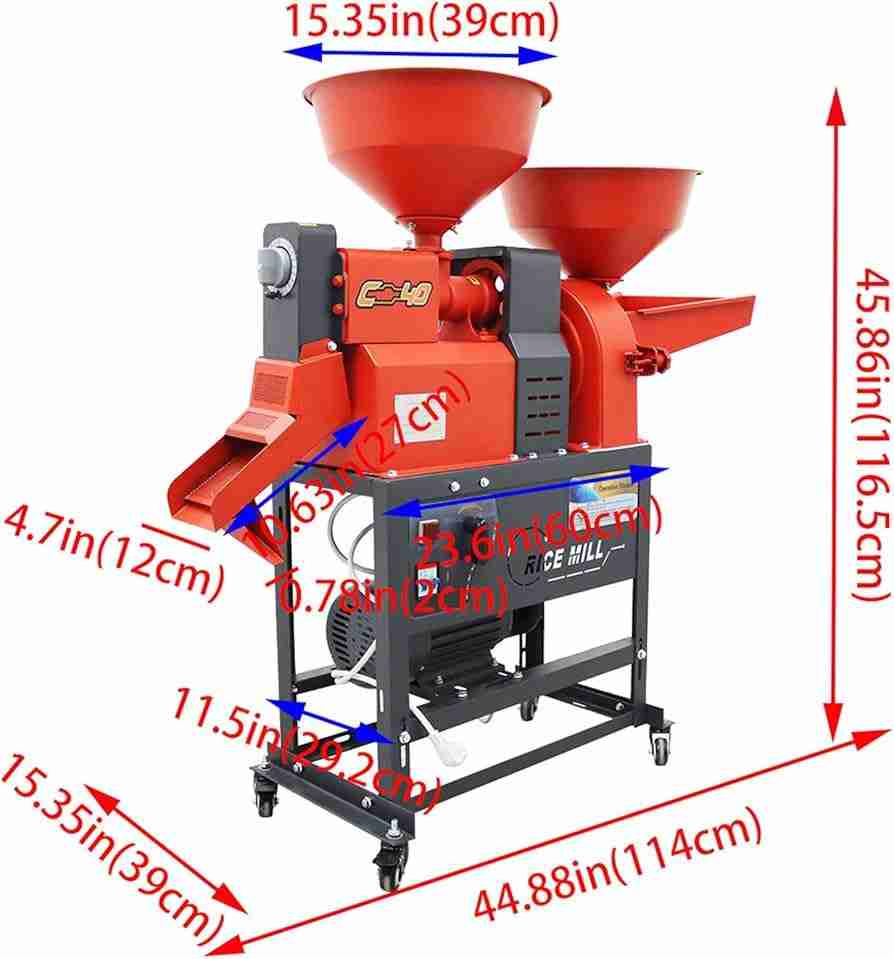
Exploring the Economic Benefits of mini rice mill Adoption
The adoption of mini rice mills presents a transformative opportunity for small-scale farmers and local economies. By utilizing these compact, cost-effective machines, farmers can significantly reduce their dependency on large milling operations, which often involve long transportation times and higher processing fees. This localized approach to milling not only enhances the freshness of rice but also empowers farmers to take control of their production processes. A few key economic advantages include:
- Cost Efficiency: Lower operational costs compared to traditional milling systems.
- Higher Profit Margins: Increased value addition, as farmers can now process and market their rice directly.
- Job Creation: Local milling creates employment opportunities within communities, stimulating economic growth.
Furthermore, mini rice mills can lead to the development of agro-industrial clusters, fostering an environment where various small businesses can thrive together. This not only promotes efficiency through shared resources but also cultivates a sense of community among farmers and entrepreneurs. The economic ripple effect can be profound, as summarized in the table below:
| Impact | Economic Benefit |
|---|---|
| Increased Local Processing | Boosts income retention within the community. |
| Reduced Transport Costs | Minimizes expenses for farmers selling to mills, improving their profit margins. |
| Access to Technology | Empowers innovation and skills development among farmers. |
Enhancing Sustainability and Resource Management in Rice Production
As the global population continues to grow, the demand for rice as a staple food only intensifies. This surge in demand necessitates more sustainable and efficient methods of rice production. Mini rice mills play a pivotal role in this shift, particularly in rural areas where small-scale farmers can directly benefit. These compact and affordable mills not only reduce the environmental impact associated with larger production systems but also enable farmers to process their rice on-site, conserving both time and resources. Additionally, because mini rice mills require less energy and water compared to traditional milling operations, they contribute to a more sustainable approach to agriculture.
Implementing mini rice mills offers various advantages for resource management, enhancing the entire production cycle. Consider the following benefits:
- Local Employment: Mini rice mills provide job opportunities in rural communities, boosting local economies.
- Reduced Transportation Costs: With mills situated closer to farms, farmers save on transportation, minimizing fuel consumption and emissions.
- Waste Reduction: By utilizing total paddy, these mills produce minimal by-products, promoting a zero-waste environment.
Furthermore, these mills can be used as a platform for educating farmers on best practices in sustainable farming and resource management. By integrating modern technology with traditional practices, mini rice mills enable farmers to embrace innovative techniques that can lead to higher yields with less environmental impact.
Strategies for Implementing Mini Rice Mills in Rural Communities
To ensure the successful implementation of mini rice mills in rural communities, it is essential to adopt a comprehensive approach that includes community engagement, resource allocation, and continuous education. Engaging local farmers through workshops and demonstrations can significantly enhance acceptance and understanding of the technology. Key strategies include:
- Collaborative Planning: Involve local stakeholders in the planning process to ensure that their needs and concerns are addressed.
- Financial Support: Explore funding opportunities through government programs, NGOs, or cooperatives to support the initial investments.
- Training Programs: Implement training sessions for operators and maintenance staff to foster a skilled workforce familiar with the machinery.
- Supply Chain Development: Create a network of suppliers and customers to ensure that the mini rice mills have consistent access to raw materials and markets for their products.
Monitoring and evaluating the impact of mini rice mills are crucial for continuous improvement and sustainability. Establishing metrics for success can help in assessing performance and making necessary adjustments. Consider creating a simple dashboard with key performance indicators (KPIs) such as:
| Indicator | Target | Frequency of Review |
|---|---|---|
| Output Quantity | 3 tons/week | Monthly |
| Profit Margin | 20% | Quarterly |
| Community Participation | 75% of local farmers | Annually |
By focusing on these strategies, rural communities can harness the full potential of mini rice mills to enhance productivity, achieve self-sufficiency, and improve the overall economic landscape.
To Conclude
As we navigate the intricate landscape of modern agriculture, the mini rice mill revolution stands out as a beacon of efficiency and innovation. By embracing these compact machines, farmers are not only transforming their operations but also reshaping the economic fabric of rural communities. The rise of mini rice mills signifies a shift toward sustainability, accessibility, and empowerment, unlocking new potentials for growth and self-sufficiency. As we move forward, cultivating awareness and support for these technologies will be paramount in ensuring their benefits are widely realized. With the seeds of change sown in the fertile ground of tradition and modernity, the future of rice milling—and indeed, food production as a whole—looks promisingly efficient. Embracing this revolution today could pave the way for a bountiful harvest tomorrow.




