
In the heart of agricultural innovation, a quiet revolution is taking place—one that promises to reshape the landscape of rice farming and elevate productivity to new heights. Mini rice mills, often overlooked in the broader narrative of agricultural machinery, are emerging as pivotal players in the quest for efficiency and sustainability. As the global demand for rice continues to surge alongside increasing pressures on farmers to maximize output, these compact, adaptable milling solutions are proving to be game-changers. With the ability to streamline processing, reduce waste, and empower local farmers, mini rice mills are not just tools; they embody a transformative approach towards resource management in farming. In this article, we delve into the dynamics fueling the rise of mini rice mills, exploring how they unlock efficiency and offer renewed hope for the agricultural sector in an ever-evolving world.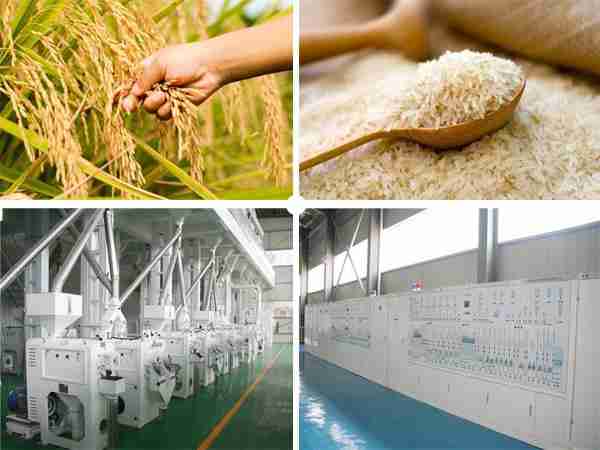
The Evolution of Rice Milling Technology and Its Impact on Agriculture
The impact of mini rice mills on agricultural practices cannot be overstated. These machines enable farmers to achieve a higher milling yield, effectively maximizing their rice production. Key advantages include:
- Lower capital investment compared to traditional milling units
- Energy efficiency, resulting in reduced operational costs
- Versatility, allowing for the processing of multiple rice varieties
- Time savings, which means quicker turnaround from harvest to market
As a result, farmers not only benefit from improved economic viability but also gain the ability to produce quality rice that meets consumer demands, thus contributing to a more robust agricultural sector overall.
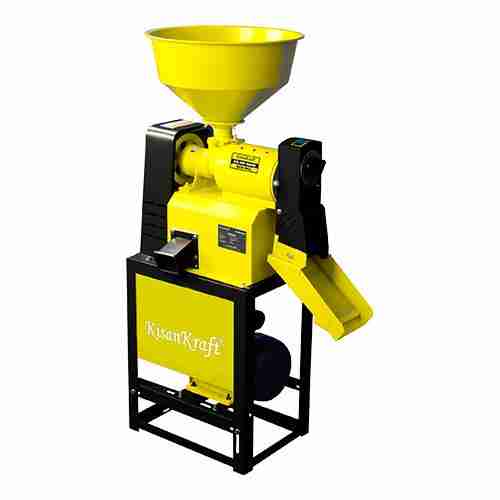
Key Benefits of Mini Rice Mills for Smallholder Farmers
Mini rice mills are transforming the agricultural landscape for smallholder farmers, offering a range of advantages that enhance both productivity and sustainability. These compact machines enable farmers to process their paddy with greater efficiency, eliminating the need for costly and time-consuming trips to remote milling facilities. By milling rice on-site, farmers not only save on transportation costs but also ensure that their produce retains its nutritional quality and freshness, directly benefiting their families and communities.
Furthermore, the integration of mini rice mills into farming practices fosters economic empowerment. Local farmers can engage in value-added processing, thereby increasing their income potential. The equipment is designed to be user-friendly and requires minimal maintenance, making it accessible even to those with limited technical knowledge. Additionally, the adoption of these mini mills can contribute to job creation, as farmers may hire local labor for the milling process. This shift towards localized production encourages community resilience and food security.
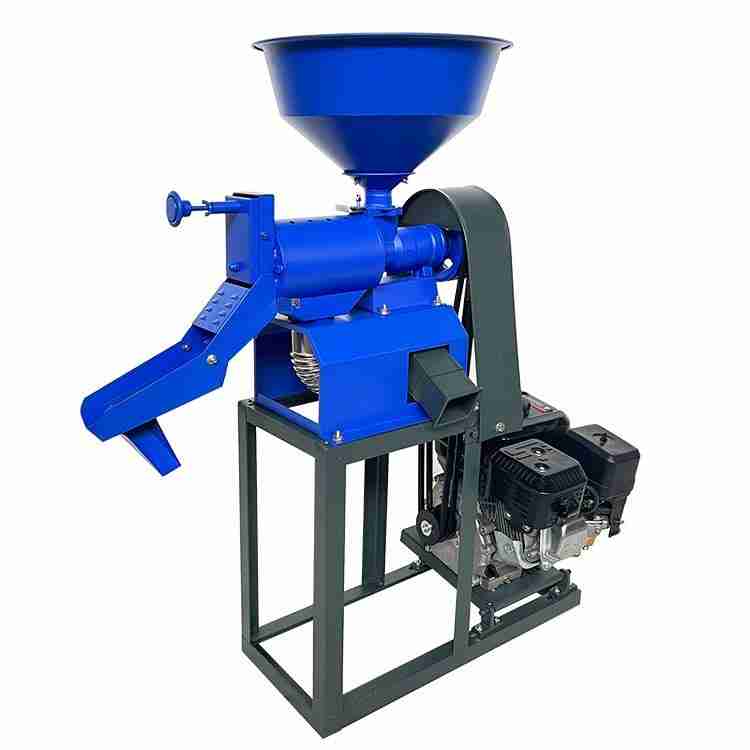
Best Practices for Integrating Mini Rice Mills into Existing Farming Systems
Integrating mini rice mills into existing farming systems can significantly enhance productivity and reduce post-harvest losses. To achieve a seamless incorporation, farmers should first assess their current agricultural practices and identify areas where the mill can add value. Key factors to consider include the scale of production, available infrastructure, and local market demand. Engaging with local agricultural extension services can provide vital insights into optimal mill selection and implementation strategies. Additionally, forming cooperatives among neighboring farmers can foster resource sharing and collective investment, enhancing the economic feasibility of the mill.
Training and capacity building play a crucial role in successful integration. Farmers should prioritize hands-on training sessions on operating and maintaining the mini rice mill to ensure productive use. Regular workshops can facilitate knowledge exchange on efficient milling practices and market trends. Moreover, leveraging digital technologies for monitoring production efficiency and market prices can enrich decision-making processes. To emphasize the value of collaboration and innovation, the following table outlines effective strategies for integration:
| Strategy | Benefit |
|---|---|
| Cooperative formation | Shared costs and reduced financial risk |
| Training programs | Enhanced skills and improved operational efficiency |
| Digital monitoring tools | Data-driven decisions increasing market competitiveness |
| Collaboration with extension services | Access to expert advice and resources for better integration |
Future Perspectives: Sustainability and Innovation in Rice Production
The landscape of rice production is undergoing a transformative shift as the integration of sustainability and innovation continues to take precedence. One of the standout advancements is the adoption of mini rice mills, which not only enhance productivity but also promote environmentally responsible practices. These compact mills are designed to minimize waste during processing, allowing farmers to make efficient use of every grain harvested. Key benefits of this technology include:
- Reduced Energy Consumption: Mini mills require significantly less power compared to traditional counterparts.
- Lower Transportation Costs: Their smaller size allows for easier transport, maximizing accessibility for rural areas.
- Enhanced Quality Control: With smaller batch processing, farmers can better ensure premium quality in their rice.
- Community Empowerment: Local ownership fosters economic development and job creation in farming communities.
This movement towards mini rice milling not only addresses the needs of modern farmers but also aligns with global efforts toward sustainable agriculture. As innovations in technology evolve, the emphasis on eco-friendly practices becomes more pronounced. Future prospects in the rice industry will hinge on collaborative efforts between farmers, manufacturers, and policymakers to ensure the longevity of rice production ecosystems. An ensuing table highlights the impact of mini rice mills on sustainability:
| Impact Area | Benefits of Mini Mills |
|---|---|
| Resource Efficiency | Significant reduction in water and energy use. |
| Waste Management | Converts by-products into compost or animal feed. |
| Carbon Footprint | Lower emissions through localized processing. |
In Conclusion
As we draw the curtain on this exploration of mini rice mills and their transformative impact on farming, it becomes evident that these compact machines are more than just technological advancements; they are vital tools in the quest for efficiency and sustainability in agriculture. By enabling smallholder farmers to process their harvests on-site, mini rice mills are not only enhancing productivity but also fostering economic resilience within communities.
The rise of these mills signifies a broader trend toward the democratization of agricultural technology, empowering farmers to harness their resources effectively and compete in a global marketplace. As we embrace this new era of farming, it is crucial to support initiatives that promote accessibility and education around these innovations, ensuring that all farmers have the opportunity to thrive.
In the grand tapestry of agricultural evolution, the story of mini rice mills is just beginning. As we look to the future, one can only imagine the potential these machines hold for boosting food security and nurturing sustainable practices around the world. Together, let us continue to unlock the doors to efficiency, innovation, and progress, paving the way for a more robust and resilient agricultural landscape.




