
In the heart of rural landscapes, where golden fields of rice sway gently under the sun, a quiet revolution is taking root. As the agricultural landscape evolves, so too does the technology that supports it. Enter the mini rice mill—a compact, efficient, and affordable solution that is transforming the way farmers process their harvests. These small-scale machines are more than just tools; they symbolize a significant shift towards efficiency, sustainability, and empowerment in the agricultural sector. With the potential to enhance productivity and reduce post-harvest losses, mini rice mills are not only revitalizing traditional farming practices but also paving the way for a more resilient future. In this article, we will explore the rise of mini rice mills, their impact on local economies, and how they are unlocking new opportunities for farmers across the globe.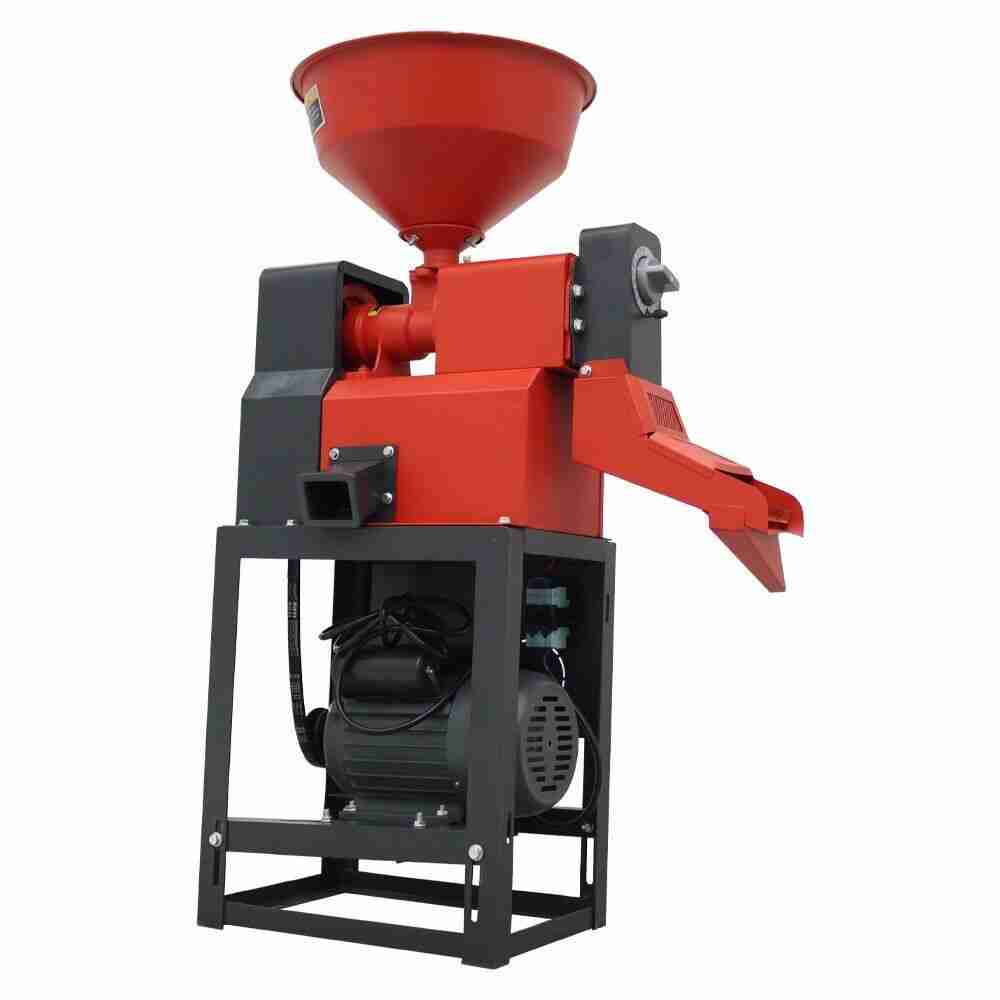
Understanding the Benefits of Mini Rice Mills in Small Scale Farming
Mini rice mills have emerged as a game-changer for small-scale farmers, redefining efficiency in post-harvest processing. Unlike traditional larger mills, these compact machines are designed to meet the needs of local farmers, allowing them to process their harvest on-site. The benefits include reduced transportation costs since farmers no longer need to transport their paddy to distant mills. Additionally, they can enjoy increased profitability by retaining higher quality control over their product and selling freshly milled rice directly to consumers or local markets.
By utilizing mini rice mills, farmers can also experience significant time savings. Traditional milling processes can be labor-intensive and time-consuming; however, with these efficient machines, milling can be completed much faster, leading to quicker turnover rates. The key advantages include:
- Lower operational costs: Smaller mills often require less capital investment and maintenance.
- Improved product quality: Farmers can produce rice with minimal breaks and impurities.
- Community empowerment: Local milling fosters economic growth within rural communities.

Technological Innovations Driving the mini rice mill Revolution
Recent advancements in technology have catalyzed a mini revolution in rice milling, transforming traditional practices into more efficient and sustainable methods. The integration of automation and smart technology in mini rice mills has resulted in significant improvements in operational efficiency, allowing farmers to convert paddy to rice in less time and with minimal manpower. Key innovations include:
- Sensor-Driven Machines: Equipped with sensors that monitor moisture levels, these machines ensure optimal processing conditions, boosting quality and shelf-life.
- Energy-Efficient Motors: New electric motors consume less energy, reducing operational costs and benefiting the environment.
- Mobile Apps: Advanced mobile interfaces help farmers track production metrics and receive maintenance alerts, adding an element of convenience and control.
- Compact Design: The smaller footprint of these mills allows for easy installation in rural areas, bringing production closer to the source.
| Innovation | Benefit |
|---|---|
| Automation | Reduces labor costs and processing time |
| Smart Sensors | Improves quality control and consistency |
| Energy Efficiency | Lower operational costs and reduced carbon footprint |
These state-of-the-art technologies not only enhance the productivity of mini rice mills but also provide farmers with the ability to produce high-quality rice at competitive prices. The user-friendly interfaces allow operators to adapt quickly to the machines, leading to less downtime and more effective management of resources. As market demands for rice continue to grow, the advancements made in mini rice milling technology position farmers for success, enabling them to unlock new levels of efficiency and profitability in their agricultural practices.
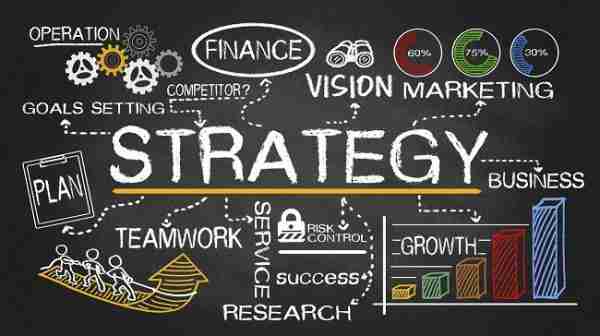
Strategies for Implementing Mini Rice Mills in Rural Communities
Implementing mini rice mills in rural communities requires a multifaceted approach to ensure sustainability and effectiveness. Community involvement is crucial; engaging local farmers through workshops can build awareness about the benefits of mini rice mills, such as reducing post-harvest losses and increasing income. Establishing a cooperative model may also facilitate shared ownership and collective operational management, which can lower individual costs and extend access to modern milling technology. Additionally, partnering with local governments and agricultural organizations can help in securing subsidized funding or technical support, making the transition smoother for the communities.
To enhance the effectiveness of mini rice mills, it’s essential to provide comprehensive training programs focused on operational efficiency and maintenance. This includes educating users about optimal milling practices, energy management, and equipment troubleshooting. Building a reliable supply chain to ensure steady access to raw materials is equally important, as it can prevent disruptions in processing. Moreover, leveraging technology such as mobile apps for monitoring market prices can empower farmers to make informed decisions regarding their produce. Below is a brief overview of critical components required for success:
| Component | Description |
|---|---|
| Community Engagement | Workshops to promote the benefits of mini rice mills. |
| Cooperative Ownership | Shared management of resources to lower costs. |
| Training Programs | Hands-on sessions for operational and maintenance skills. |
| Supply Chain Development | Reliable resources for raw materials to ensure steady operations. |
| Technological Integration | Use of apps to inform farmers on market trends. |
Sustainable Practices and Economic Growth with Mini Rice Production
The emergence of mini rice mills has significantly bridged the gap between sustainable agricultural practices and economic growth. These compact, efficient mills empower small farmers to process their rice harvest on-site, reducing dependence on centralized milling facilities that often contribute to increased carbon footprints. By preserving the integrity of the grains and minimizing transportation needs, this localized approach not only fosters sustainability but also enhances the quality of rice, leading to higher market prices. As farmers harness technology, they can benefit from better yield management and reduced waste, cultivating a culture of conscientious production that respects both the environment and their livelihoods.
Moreover, the economic impact of mini rice mills extends beyond the individual farmer. By fostering an ecosystem where production and consumption happen locally, these mills stimulate rural economies by creating jobs and promoting entrepreneurial ventures. The ripple effect includes:
- Investment Opportunities: Local entrepreneurs can invest in equipment and services related to rice production.
- Improved Livelihoods: Increased income from higher-quality rice encourages a sustainable economic model.
- Community Involvement: Farmers collaborate, share knowledge, and innovate better practices through cooperative efforts.
| Benefits of Mini Rice Mills | Impact |
|---|---|
| Efficient Processing | Reduces time and labor costs. |
| Quality Preservation | Produces cleaner, fresher rice. |
| Reduced Waste | Utilizes byproducts for animal feed or compost. |
| Rural Revitalization | Encourages population retention and economic activity. |
The Way Forward
As we stand at the crossroads of agricultural innovation and sustainability, mini rice mills emerge as a beacon of efficiency and opportunity. These compact powerhouses are not merely a trend; they represent a seismic shift in how we approach rice processing, especially for smallholder farmers. By reducing waste, lowering costs, and enhancing the quality of the final product, mini rice mills are unlocking a new era of productivity and empowerment in agriculture.
In a world that increasingly demands sustainable practices and resource optimization, these mills symbolize a practical solution that caters to both economic needs and environmental considerations. As we continue to explore the myriad benefits of this technology, it becomes clear that mini rice mills are more than just machinery—they are catalysts for change.
the rise of mini rice mills is not just about efficiency; it’s about fostering resilience in agricultural communities, driving local economies, and embracing a more sustainable future. As we look to the horizon, it is essential to support and invest in such innovations that not only promise profitability but also nurture our planet and its people. The journey toward a more sustainable agriculture starts with small steps—one grain at a time.




