
In the heart of agrarian economies, rice stands as a fundamental staple, nourishing billions around the globe. Yet, the journey from paddy to plate has historically been fraught with inefficiencies that plague small-scale farmers and entrepreneurs alike. Enter the mini rice milling machine—a transformative innovation that’s redefining the dynamics of rice processing. With their compact size, affordability, and increasing accessibility, these machines are unlocking new avenues for efficiency and productivity in the rice milling sector. As we explore the rise of mini rice milling machines, we’ll uncover how they not only streamline operations but also empower farmers, bolster local economies, and contribute to sustainable agricultural practices. Join us as we delve into this burgeoning trend that promises to revolutionize the way rice is milled and enjoyed across the globe.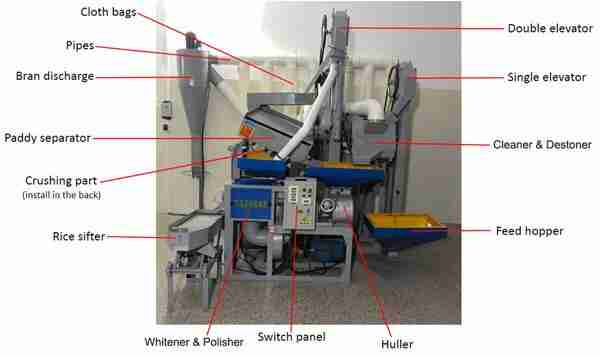
Exploring the Benefits of Mini Rice Milling Machines in Modern Agriculture
Unleashing Agricultural Potential
Mini rice milling machines are revolutionizing the way farmers process their crops, offering a multitude of advantages that enhance productivity and reduce barriers to entry. With their compact design and efficiency, these machines are ideal for small to medium-scale rice producers who may have previously relied on larger milling operations. Some of the most notable benefits include:
- Cost-Effectiveness: The lower initial investment and reduced operational costs make them accessible for smallholder farmers.
- Space Saving: Their compact size allows them to fit into limited spaces, enabling farmers to utilize their land more effectively.
- Time Efficiency: Quick processing times enable farmers to mill rice almost immediately after harvest, preserving the quality and increasing marketability.
Moreover, the user-friendly design of mini rice milling machines means that less technical expertise is required, empowering farmers to take control of their production chain. This empowerment comes with additional benefits, such as:
- Quality Control: Farmers can customize the milling process to ensure that their rice meets desired quality standards.
- Increased Profit Margins: By processing their own rice, farmers can bypass intermediaries, allowing them to retain a larger share of profits.
- Enhanced Food Security: Local milling contributes to more stable food supplies, reducing reliance on imported rice and bolstering community resilience.
| Benefits | Impact on Farmers |
|---|---|
| Cost-Effective Solutions | Enables more farmers to enter the market |
| Local Processing | Reduces transportation costs and time |
| Quality Control Improvements | Boosts market value of the product |

Technological Innovations Driving the Mini Rice Milling Machine Market
The landscape of the mini rice milling machine market is rapidly evolving, driven by a wave of technological innovations that enhance performance, efficiency, and user experience. The integration of smart technologies has been a game changer, allowing farmers to monitor and control milling processes in real-time through mobile applications. This level of connectivity not only boosts productivity but also enables users to optimize settings for different rice varieties, ensuring a higher quality end product. Key innovations include:
- Automation and AI: Enhancing precision and reducing human error in milling operations.
- Energy-efficient designs: Lowering operational costs while maximizing output.
- Compact and portable structures: Making it easier for small-scale farmers to access milling technology.
- Improved user interfaces: Simplifying operation for users with varying levels of technical expertise.
Additionally, advancements in material technology have resulted in more durable and lightweight components, improving the overall lifespan of mini rice milling machines. As sustainability becomes a focal point in agricultural practices, manufacturers are exploring eco-friendly materials and energy sources, further influencing market dynamics. These technological strides not only cater to the needs of smallholder farmers but also attract larger agricultural enterprises looking for efficient solutions. A comparison of some leading innovations is summarized in the table below:
| Innovation Type | Description | Market Impact |
|---|---|---|
| Smart Technology Integration | Real-time monitoring and control via apps | Increased productivity and quality |
| Energy Efficiency | Reduced power consumption | Lower operational costs |
| Compact Construction | Easy transport for field operations | Higher accessibility for small farmers |
| Durable Materials | Enhanced lifespan and reliability | Lower replacement rates, cost savings |
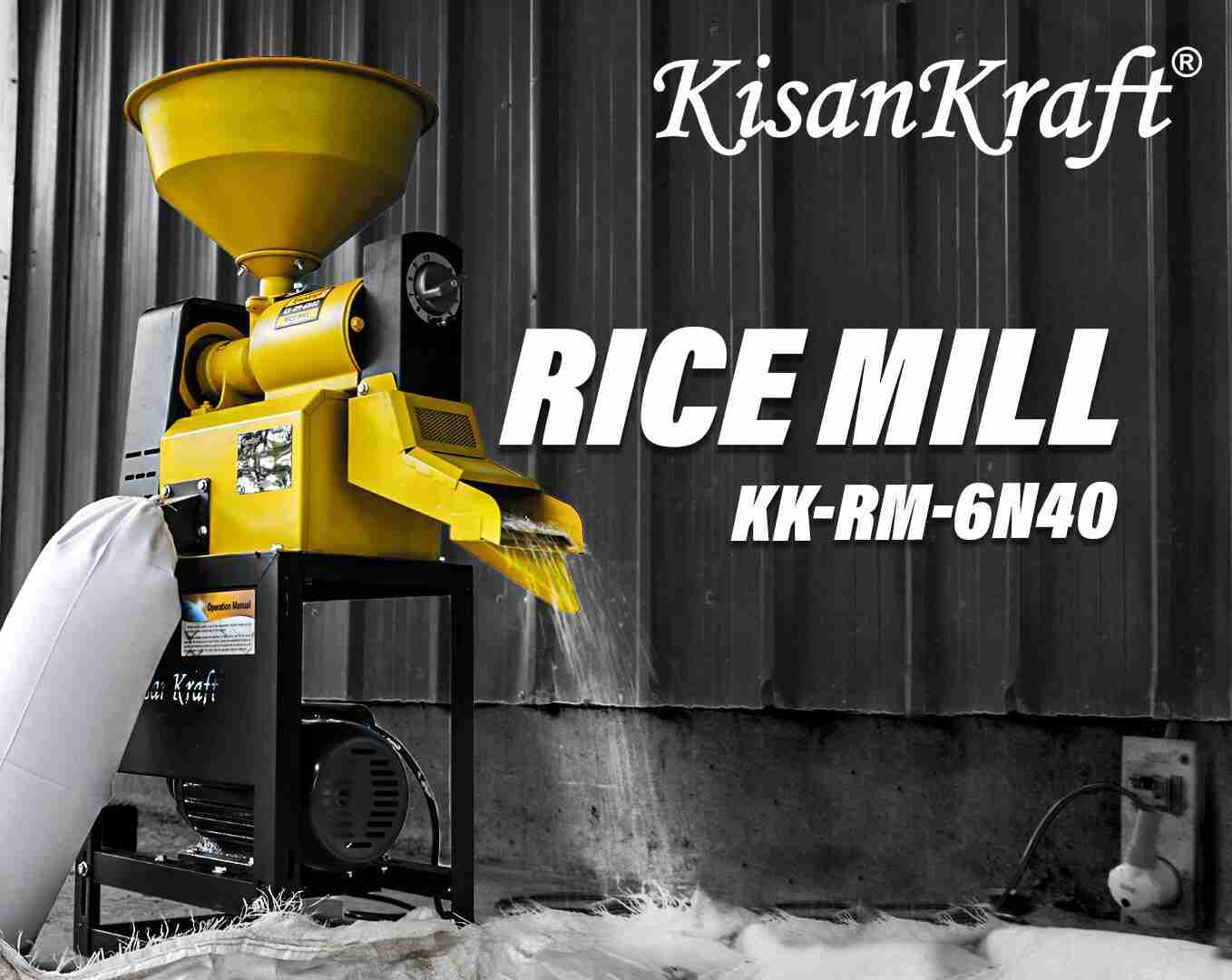
Key Considerations for Choosing the Right Mini Rice Milling Machine
When selecting a mini rice milling machine, several factors come into play that can significantly affect both performance and the quality of your milling output. Capacity is crucial; understanding your processing needs will help you choose a machine that can handle your daily rice milling requirements without strain. You should also look at the motor power of the machine, as a stronger motor often translates to better efficiency and less downtime during operation. Additionally, consider the design and weight of the machine. A compact and lightweight design not only offers better mobility but also aids in easy setup, especially for businesses with limited space.
Another essential aspect is maintenance requirements. Choose a machine that allows for easy access to parts for cleaning and repairs, ensuring longevity and consistent performance. Furthermore, take into account the after-sales service offered by the manufacturer. A reliable support service can save you time and money in case of any issues with the machine. To illustrate these considerations, here’s a simple table summarizing some key attributes to evaluate:
| Feature | Importance |
|---|---|
| Capacity | Ensure it meets your daily rice output needs. |
| Motor Power | Affects efficiency and milling speed. |
| Design and Portability | Facilitates easy setup and movement. |
| Maintenance | Implement a routine for optimal performance. |
| After-Sales Support | Crucial for troubleshooting and repairs. |
Maximizing Productivity: Best Practices for Operating Mini Rice Milling Machines
To get the most out of mini rice milling machines, operators should focus on several best practices that not only enhance output but also ensure consistency in product quality. One crucial practice is maintaining the machine regularly, as preventive maintenance can significantly reduce downtime and operational hitches. Ensuring that parts are clean and lubricated will enhance performance and extend the life of the machine. Additionally, calibrating the milling machine settings according to the specific type of rice being processed can optimize results, yielding perfectly milled grains every time.
Another key strategy involves training operators thoroughly on the machine’s functions and capabilities. By understanding the various settings and features, operators can make real-time adjustments that can result in better efficiency. Furthermore, organizing the workspace by keeping tools and materials within reach allows for a smoother workflow. A convenient layout not only minimizes movement but also increases safety—a critical aspect in busy milling environments. Consider implementing the following tips for an effective operational strategy:
- Regular Training: Schedule periodic skill-enhancement sessions for operators.
- Utilize Checklists: Implement daily operational checklists for quality assurance.
- Data Logging: Keep records of production output and machine performance for continuous improvement.
The Conclusion
As we draw the curtain on our exploration of mini rice milling machines, it’s clear that these compact powerhouses are more than just a trend; they represent a significant evolution in agricultural efficiency. By harnessing the potential of technology and innovation, farmers and entrepreneurs alike can unlock new levels of productivity, making rice processing more accessible and sustainable than ever before. The rise of these machines illustrates a broader movement towards optimizing resources and enhancing food security in an increasingly demanding world.
As we look to the future, it is essential to embrace such advancements, ensuring they are leveraged responsibly to benefit communities and economies alike. Ultimately, the journey towards unlocking efficiency in rice milling is not just about machinery—it’s about cultivating a more resilient agri-food system that meets the needs of today without compromising the potential of tomorrow. The seeds of change have been sown, and with every revolution of a mini rice milling machine, the promise of progress continues to grow.




