
In the ever-evolving landscape of agriculture, the quest for efficiency has spawned innovative solutions that revolutionize traditional practices. Among these breakthroughs, the rise of combine mini rice mills is capturing the attention of farmers and agribusinesses alike. This remarkable technology not only streamlines the rice processing journey but also promises to enhance productivity while reducing labor and costs. As the world increasingly seeks sustainable and economically viable food production methods, combine mini rice mills stand at the forefront of this transformation. In this article, we delve into the mechanics of these cutting-edge machines, exploring how they unlock unprecedented efficiency and reshape the future of rice cultivation and processing across diverse agricultural contexts. Join us as we uncover the myriad benefits and potential impacts of this modern marvel in the quest for food security and rural development.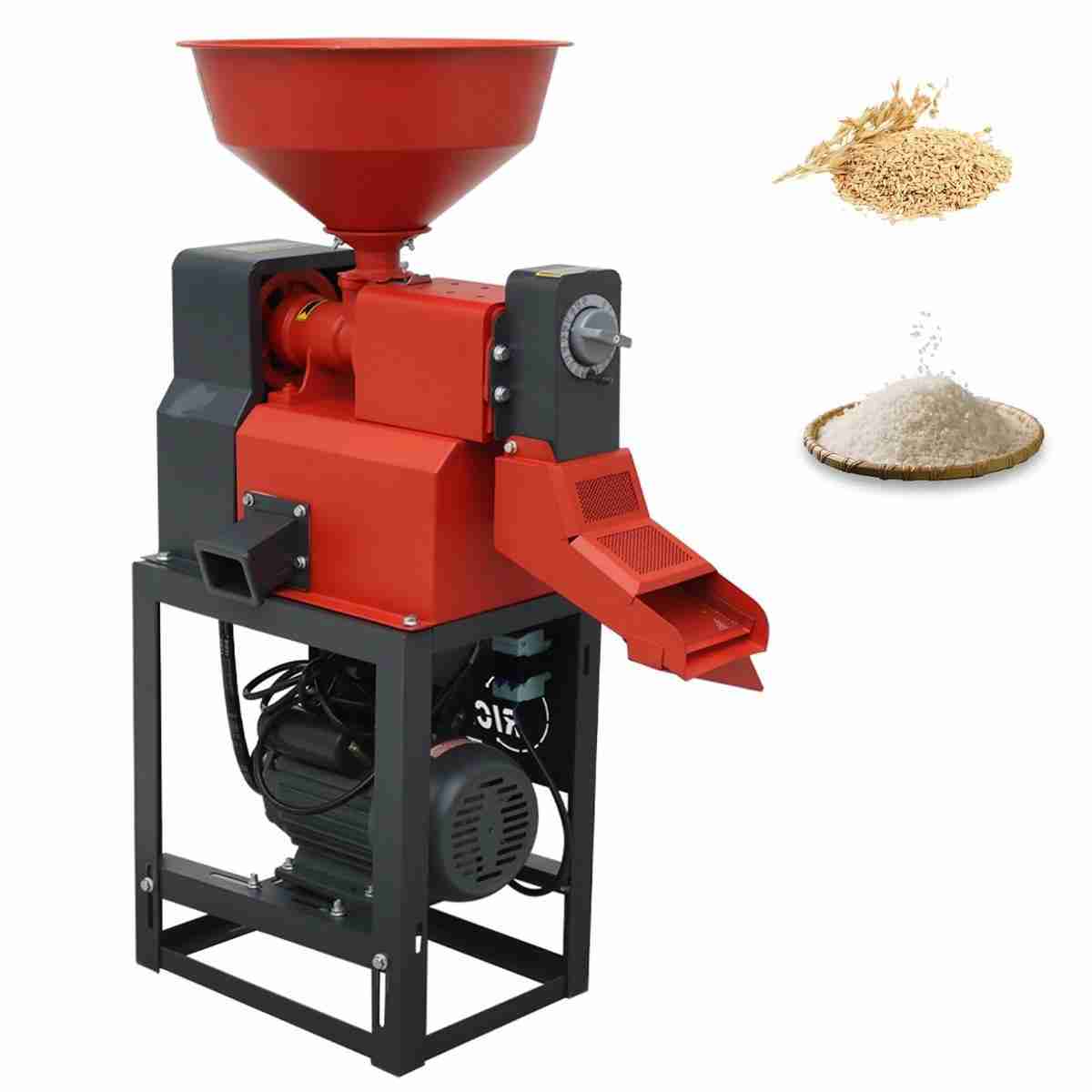
The Rise of Mini Rice Mills in Modern Agriculture
The agricultural landscape is undergoing a significant transformation with the introduction of mini rice mills. These compact and efficient machines have emerged as a game-changer for small-scale farmers and rural communities. One of the key advantages of mini rice mills is their size; they can be easily operated in limited spaces while providing the same output as larger counterparts. Additionally, these mills are designed to enhance the quality of rice by minimizing grain breakage and ensuring a higher yield, which directly benefits farmers’ incomes. With advancements in technology, these mills often incorporate features such as automated husking, polishing, and grading, making the processing more efficient and user-friendly.
Furthermore, the rise of mini rice mills is contributing to the self-sufficiency of rural economies. By harnessing local resources, these mills reduce dependency on large, centralized milling operations and promote a sustainable model of agriculture. Farmers can now process their harvests on-site, significantly reducing transportation costs and time associated with sending grains to distant processing facilities. As a result, rural communities are experiencing a boost in economic activity, leading to improved livelihoods. To highlight the impact of these innovations, consider the following table showcasing the benefits of adopting mini rice mills:
| Benefits | Impact |
|---|---|
| Local Processing | Reduces transportation costs |
| Higher Efficiency | Increases output per unit time |
| Improved Quality | Minimizes grain breakage |
| Job Creation | Boosts local employment opportunities |

Enhancing Productivity: Key Features and Benefits
As the demand for rice production continues to grow globally, combine mini rice mills are emerging as a game-changer in the agricultural sector. These compact machines offer a multitude of features that significantly enhance productivity for small-scale farmers and processors. Key characteristics include:
- Space Efficiency: Their compact design requires minimal floor space, allowing farmers with limited land to incorporate milling operations seamlessly.
- Energy Savings: These mills are engineered to consume less energy compared to traditional rice milling systems, optimizing operational costs.
- Multi-functionality: Apart from milling, many models also offer features like paddy husking and polishing, providing a complete processing solution.
Furthermore, the benefits of adopting combine mini rice mills extend beyond technological advantages; they can transform the economic landscape for users. Some pivotal benefits include:
- Reduced Processing Time: With efficient milling processes, farmers can significantly cut down on the time spent between harvesting and selling their produce.
- Higher Quality Output: Improved milling technology results in better grain quality, ensuring a higher market value for the products.
- Access to Local Markets: By milling rice on-site, producers can quickly adapt to local market demands without being dependent on larger milling facilities.
Sustainability and Cost Savings in Rice Milling Operations
In the quest for operational efficiency, the integration of sustainable practices into rice milling operations has emerged as a game changer. Combine mini rice mills, often designed for small-scale farmers, not only optimize production but also align with eco-friendly initiatives. These innovative machines utilize energy-efficient technologies that significantly lower electricity consumption, reducing the carbon footprint of milling processes. Key benefits include:
- Reduced Energy Costs: Utilizing less power leads to significant savings on energy bills.
- Waste Minimization: Advanced milling techniques decrease paddy waste, ensuring that more of the grain is converted into marketable rice.
- Low Water Usage: New milling technologies require less water during the milling process, contributing to water conservation efforts.
Moreover, the economic advantage of adopting such practices extends beyond mere cost savings. The operational efficiency achieved by combine mini rice mills allows farmers to increase their throughput without compromising on quality. This scalability enables rice producers to meet growing market demands while keeping sustainability at the forefront. By investing in these technologies, many smallholdings report:
| Benefit | Percentage Improvement |
|---|---|
| Energy Savings | 20-30% |
| Paddy Waste Reduction | 15% |
| Labor Efficiency | 25% |
As rural economies transition to more sustainable practices, these advancements in milling technology stand at the forefront of a more sustainable future, paving the way for improved profitability and environmental stewardship in rice production.
Navigating the Future: Innovations and Recommendations for Implementation
As the demand for rice continues to surge globally, leveraging cutting-edge technology in mini rice mills is essential for enhancing productivity and sustainability. The integration of smart sensors and IoT technologies allows farmers to monitor and manage operations efficiently. These advancements can facilitate real-time data collection on moisture levels, grain quality, and productivity rates, optimizing the milling process. To further streamline these operations, growers can consider adopting practices such as:
- Automated cleaning systems for reduced labor and improved precision.
- Energy-efficient machinery to lower operational costs.
- Mobile apps to track production metrics and make data-driven decisions.
Moreover, financial strategies aimed at supporting the acquisition of innovative milling technology are crucial. Government incentives, public-private partnerships, and low-interest loans can empower local farmers to invest in state-of-the-art equipment. Implementing community training programs ensures that operators are well-versed in the latest milling technologies, maximizing their effectiveness. To visualize the impact of these recommendations, the table below highlights key advantages of upgraded mini rice mills:
| Feature | Advantage |
|---|---|
| Smart Sensors | Improved decision-making through real-time data. |
| Energy Efficiency | Lower operational expenses. |
| Automated Processes | Reduced labor costs and increased throughput. |
| Training Programs | Enhanced skills leading to better operation outcomes. |
In Summary
As we stand on the brink of a new agricultural era, the revolution brought about by combine mini rice mills is more than just a technological advancement; it is a beacon of hope for farmers worldwide. These compact powerhouses are not only unlocking efficiency but are also transforming the way rice is cultivated, processed, and marketed. By bridging the gap between traditional practices and modern innovation, they are empowering smallholder farmers, reducing post-harvest losses, and enhancing food security.
As we have explored in this article, the integration of combine mini rice mills into farming operations is poised to yield benefits that extend far beyond the rice paddies. From increased productivity to improved quality of life for rural communities, the impact of this innovation is profound. It is essential for stakeholders—from policymakers to agribusinesses—to recognize and support the continued adoption of these mills, ensuring that the promise of efficiency flourishes.
In embracing the potential of combine mini rice mills, we not only cultivate a more sustainable future but also sow the seeds for a resilient agricultural landscape. As we move forward, let us champion this remarkable revolution and witness how it transforms the heart of agriculture, one small mill at a time. Together, we can usher in a future where every grain counts.




