
In a world where efficiency and sustainability often dictate agricultural practices, mini rice mills are emerging as innovative champions in the quest for optimal grain processing. Imagine a rural landscape dotted with small-scale operations that not only empower local farmers but also contribute to reducing waste and energy consumption. These compact, yet powerful machines promise to revolutionize how rice is milled, making the process more accessible and environmentally friendly. As we delve into the potential of mini rice mills, we explore their role in enhancing productivity, promoting economic growth, and supporting the livelihoods of farmers across the globe. Join us on this journey to unlock the efficiencies that can reshape the future of rice production.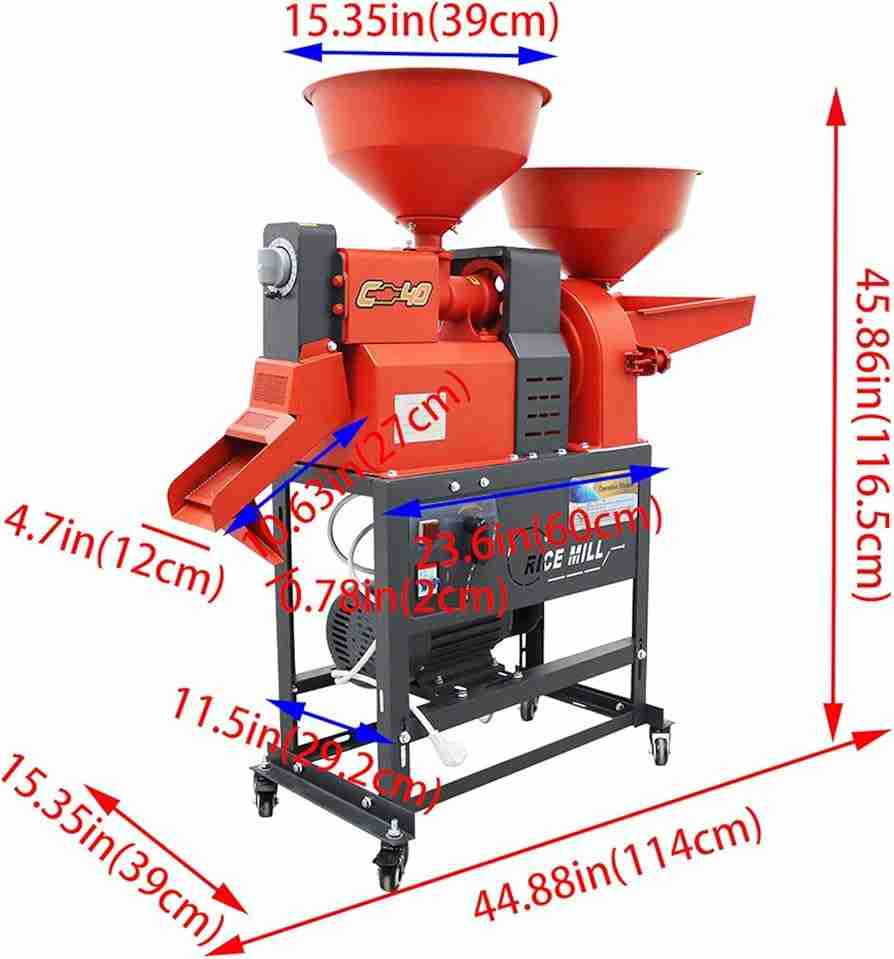
Understanding Mini Rice Mills and Their Impact on Small Scale Farming
Mini rice mills have revolutionized the landscape of small-scale farming, offering farmers an affordable and efficient solution for processing their grain. Unlike traditional, large-scale facilities, these compact mills are specifically designed for smaller operations, allowing farmers the flexibility to process rice directly on their land. This accessibility empowers farmers to transform their harvest into market-ready products without incurring high transportation costs or delays associated with larger mills. Consider some of the benefits:
- Cost-effective Processing: Reduces the need for outsourcing milling.
- Preservation of Quality: Minimizes the risk of grain damage during transportation.
- Fresh Products: Enables farmers to sell freshly milled rice, increasing value.
The impact of mini rice mills extends beyond mere convenience; it fosters a sense of community and encourages collective progress among smallholder farmers. By facilitating local milling, these mills can enhance the economic stability of farming families, enabling them to reinvest in their farms or diversify their income sources. In rural areas, where traditional milling options may be scarce, the introduction of mini mills often leads to a ripple effect, stimulating local economies and creating opportunities for employment. The table below illustrates how mini rice mills can positively influence various aspects of small-scale farming:
| Aspect | Impact |
|---|---|
| Sustainability | Reduces energy consumption and waste. |
| Empowerment | Boosts farmer autonomy and decision-making. |
| Market Access | Increases ability to reach consumers directly. |
Maximizing Yield: The Technological Advantages of Mini Rice Mills
The shift towards mini rice mills has revolutionized the way rice is processed, offering significant benefits that translate into higher yield and less waste. These compact machines leverage modern technology to enhance the efficiency of rice milling, ensuring a higher output ratio compared to traditional milling systems. Thanks to their advanced features, mini rice mills can provide:
- Energy Efficiency: Consumes less power, reducing operational costs.
- Compact Design: Easy to set up in small spaces, making them ideal for rural farmers.
- Minimal Waste: Utilizes advanced techniques that maximize grain recovery.
- Versatile Processing: Capable of handling different varieties of rice with ease.
Additionally, these mills are equipped with features such as automated cleaning systems and adjustable milling settings, which allow operators to tailor the process to the specific type of rice being processed. This flexibility not only improves efficiency but also enhances the quality of the end product, appealing to modern consumer preferences. An overview of the key technological features of mini rice mills can be summarized in the following table:
| Feature | Advantage |
|---|---|
| Automated Control | Reduces labor costs and ensures uniformity in processing. |
| High-Quality Output | Produces more polished rice with fewer broken grains. |
| Low Maintenance | Durable components designed to minimize downtime. |
Cost-Benefit Analysis: Investment Insights for Aspiring Rice Millers
For aspiring rice millers, conducting a cost-benefit analysis is an essential step towards decision-making that can significantly impact profitability. Investing in mini rice mills can yield numerous advantages that contribute to operational efficiency and market accessibility. Key financial benefits include:
- Lower Initial Investment: Mini rice mills require a smaller capital outlay compared to their larger counterparts, making them more accessible for small-scale entrepreneurs.
- Reduced Operating Costs: These mills consume less energy and require fewer labor resources, which can lead to substantial savings over time.
- Flexibility in Production: Mini rice mills can cater to diverse consumer needs by processing smaller quantities, allowing millers to focus on niche markets.
On the flip side, understanding the potential challenges is equally important. While the initial investment is lower, the operating limitations and market demands must be carefully evaluated. A comprehensive analysis often leads to insights such as:
| Investment Requirement | Cautionary Notes |
|---|---|
| Equipment Cost | Ensure quality to avoid frequent repairs. |
| Raw Material Sourcing | Evaluate supplier reliability and pricing stability. |
| Maintenance Expenses | Set aside budget for routine upkeep. |
By weighing these factors, aspiring rice millers can make informed decisions that unlock the true potential of mini rice mills, leading to sustainable business growth and enhanced revenue potential.
Sustainability and Community Empowerment Through Mini Rice Mill Adoption
Adopting mini rice mills opens up a new horizon for sustainable farming practices while simultaneously empowering local communities. These small-scale mills are designed to streamline the rice milling process, which typically involves considerable resource use and waste generation in larger operations. By shifting to mini rice mills, farmers can expect:
- Reduced Carbon Footprint: Smaller machinery consumes less energy, producing fewer emissions.
- Waste Minimization: Efficient milling reduces by-products and utilizes nearly all parts of the rice plant.
- Localized Processing: Farmers can mill their rice on-site, decreasing transportation costs and preserving freshness.
Furthermore, the introduction of mini rice mills fosters community empowerment by providing local job opportunities and enhancing economic stability. These milling facilities can be operated by cooperative groups, ensuring that profits remain within the community and contribute to local development. Key benefits include:
- Job Creation: Training and employment for local residents in operating and maintaining mills.
- Increased Income: Farmers can sell processed rice for higher prices, improving overall household incomes.
- Community Cohesion: Working together in cooperatives strengthens social ties and enhances trust among members.
| Benefit | Description |
|---|---|
| Environmental Impact | Lower emissions and reduced waste through efficient milling. |
| Economic Growth | Increased income for farmers and local businesses. |
| Social Development | Stronger community ties and enhanced collaboration. |
Closing Remarks
As we conclude our exploration of mini rice mills, it becomes clear that these compact machines hold the potential to revolutionize rice production, particularly for smallholder farmers. By unlocking efficiency and streamlining processes, mini rice mills not only promise greater yields but also pave the way for sustainable agricultural practices. The advantages they offer—from reduced labor costs to minimized post-harvest losses—highlight their role as a vital tool in enhancing food security and empowering rural communities.
As we look to the future, the continued innovation in this sector will be crucial. Embracing the promise of mini rice mills could lead to significant shifts in how rice is cultivated and processed, ultimately transforming not just local economies, but also contributing to global efforts in sustainable agriculture. With the right support and investment, the dream of accessible, efficient milling can become a reality, nurturing a thriving agricultural landscape for generations to come. In this ongoing journey, the convergence of technology and tradition will be the heartbeat driving progress forward—one grain at a time.




