
In a world increasingly driven by innovation and efficiency, small changes can lead to significant advancements. One such breakthrough in the agricultural sector is the rise of mini rice milling machines. These compact yet powerful devices are revolutionizing the way rice is processed, offering a perfect blend of convenience and productivity. As farmers and entrepreneurs seek to maximize their output while minimizing costs, the integration of mini rice milling technology stands out as a promising solution. This article explores the multifaceted benefits of these machines, revealing how they not only streamline operations but also contribute to sustainability in rice production. Join us as we delve into the mechanics behind these efficient marvels and uncover their transformative impact on the rice industry.
Exploring the Advantages of Mini Rice Milling Machines
Mini rice milling machines are revolutionizing the way rice is processed, streamlining efforts for small-scale farmers and entrepreneurs. One of the most significant benefits is their compact design, allowing for installation in limited spaces while delivering high efficiency. These machines are crafted to perform multiple operations, including husking, whitening, and polishing, which reduces the need for multiple devices. This all-in-one capability not only conserves space but also minimizes initial investment costs, making them accessible to a broader audience. Additionally, their user-friendly interfaces simplify operation, enabling even those with minimal technical knowledge to effectively use the equipment.
Another notable advantage of mini rice milling machines is their energy efficiency. These machines are designed to consume less power while maintaining optimal output, which is especially crucial in rural areas where electricity can be limited or costly. Furthermore, the ability to process rice quickly enhances productivity, allowing users to meet market demands promptly. Consider the following comparison of traditional milling versus mini milling technology:
| Feature | Traditional Milling | Mini Milling |
|---|---|---|
| Space Requirement | Large | Compact |
| Initial Cost | High | Affordable |
| Energy Consumption | High | Low |
| User Complexity | High | Low |
| Processing Speed | Slow | Fast |
This comparison highlights how mini rice milling machines not only outpace traditional methods in efficiency but also enhance the overall operational capabilities of rice processing ventures. For small businesses in the agriculture sector, embracing this technology can be a game changer, driving growth and opening new avenues for profitability.

Key Features That Enhance Milling Efficiency
Mini rice milling machines come equipped with a range of features designed to streamline the milling process, significantly boosting overall efficiency. One of the standout attributes is their compact design, which allows for easy integration into small-scale farming operations or urban settings without sacrificing performance. This practical approach means that farmers can quickly access their milling equipment without the hassle of extensive setups. Additionally, some models feature automated controls and workflows, reducing the need for constant manual supervision and ensuring consistent output quality.
Another compelling advantage is the integration of energy-efficient motors that minimize consumption while maximizing processing capacity. These machines often include multiple milling stages that allow for a sequential approach to rice processing, enhancing grain quality and reducing waste. Furthermore, user-friendly interfaces aid operators in monitoring and adjusting settings effortlessly, which is crucial for maintaining optimal performance. The synergy of these features not only simplifies rice production but also empowers small holders to compete effectively in larger markets.
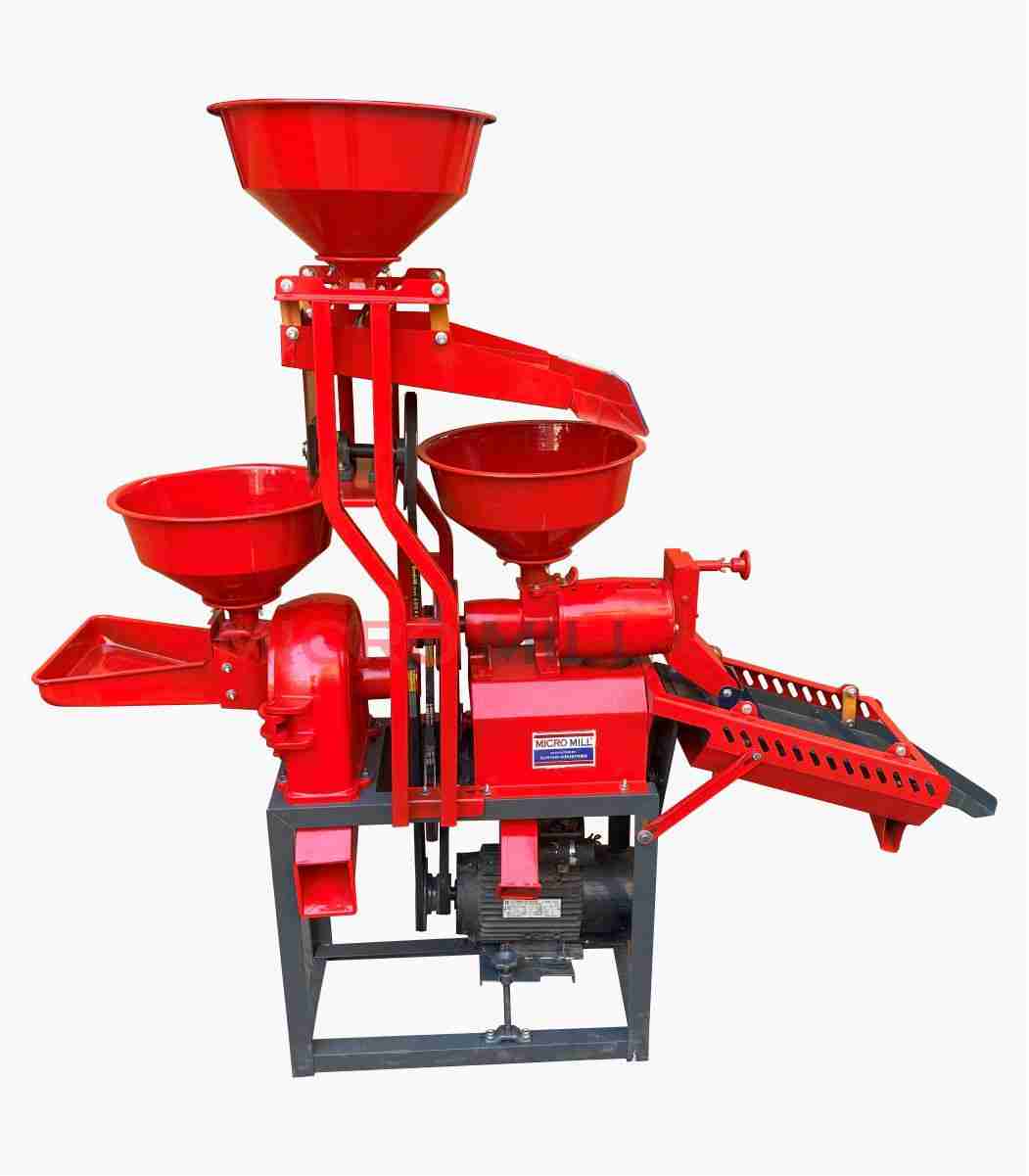
Best Practices for Maintaining Your mini rice mill
To ensure the longevity and efficiency of your mini rice mill, it’s essential to implement regular maintenance practices. Start by establishing a cleaning schedule that removes chaff, dust, and residues from the machine after each use. This minimizes wear and tear and enhances performance. Additionally, be vigilant about daily inspections—check belts, gears, and the milling chamber for any signs of damage or excessive wear. If you encounter any issues, address them promptly to avoid larger malfunctions down the line.
Moreover, keeping an eye on the lubrication levels is critical to maintaining smooth operation. Make it a habit to oil the moving parts as recommended by the manufacturer, using the appropriate lubricants. Furthermore, maintaining an optimal grain moisture content is vital for achieving the best milling results and protecting your machine from unnecessary strain. Below are essential tips to remember:
- Regularly clean the machine: Remove any grain residues and dust.
- Inspect moving parts: Ensure belts and gears are functioning properly.
- Lubricate components: Follow the manufacturer’s lubrication guide.
- Check grain moisture content: Ensure it’s suitable for milling.
Investment Insights: Choosing the Right Mini Rice Milling Machine
When selecting a mini rice milling machine, several critical factors come into play that can ultimately influence your investment’s success. Consider the milling capacity needed for your operations; whether you are a small business or a larger enterprise, choosing a machine that matches your output requirements is essential. Additionally, assess the machine’s energy efficiency and operating costs, as these will impact your long-term profitability. It’s also wise to look into the durability and maintenance needs of the machines, ensuring that they are built to withstand the rigors of daily use, while also being easy to service.
Another important aspect is the technology and features available with various models. Opting for machines equipped with modern advancements such as automatic controls or integrated dust collection systems can enhance efficiency and product quality. Furthermore, researching manufacturer reputation and customer support services can provide vital insights, ensuring you are backed by reliable assistance in case of any issues. The table below summarizes key considerations when evaluating mini rice milling machines:
| Feature | Considerations |
|---|---|
| Milling Capacity | Evaluate based on your business scale. |
| Energy Efficiency | Look for models with lower operational costs. |
| Durability | Choose machines made from high-quality materials. |
| Technology | Seek machines with modern, user-friendly features. |
| Support and Service | Research manufacturer reliability and customer support. |
To Conclude
In a world where efficiency and sustainability are more crucial than ever, mini rice milling machines stand as beacons of innovation in the agricultural landscape. Not only do they optimize the rice production process, but they also empower farmers, particularly in rural communities, to elevate their livelihoods while mitigating wastage. As we’ve explored, the integration of these compact yet powerful machines can significantly enhance productivity, reduce labor costs, and ensure that high-quality rice reaches consumers.
As the grains of rice are transformed into food on our plates, we must recognize the technology that makes it possible. Embracing mini rice milling machines does not merely represent an advancement in machinery; it symbolizes a movement towards more sustainable agricultural practices and economic empowerment. Looking ahead, the journey continues as we unlock further efficiencies, ensuring that each grain tells a story of innovation, resilience, and hope.
the potential of mini rice milling machines extends far beyond their mechanical capabilities; they are tools of change, fostering a more efficient, equitable, and sustainable food system. As we cultivate the future of agriculture, let us embrace the possibilities these technologies offer, cultivating not just crops, but the very foundation of communities everywhere.




