
In the bustling heart of agriculture, where grains of potential await transformation, lies a revolutionary tool that promises to redefine productivity in the rice milling sector: the combine mini rice mill. As the world grapples with the challenges of food security and sustainable farming, the need for efficient processing methods has never been more critical. Gone are the days when large, cumbersome machinery dominated the landscape; today, the spotlight shines on compact, multifunctional mills that marry efficiency with convenience. This article delves into the transformative power of combine mini rice mills, exploring how they unlock new levels of efficiency for farmers and entrepreneurs alike, ultimately reshaping the very foundation of rice production. Join us as we uncover the nuances, benefits, and innovations that make these miniature powerhouses a game-changer in the industry.
Harnessing Technology to Optimize Rice Milling Processes
In an era where efficiency is paramount, the integration of advanced technology into rice milling processes has become a game-changer. Combine mini rice mills are at the forefront of this transformation, offering a multitude of benefits that not only streamline operations but also enhance the quality of the final product. These compact machines are designed to perform multiple tasks, such as threshing, milling, and polishing, all in a single unit. By utilizing these mills, farmers and millers can experience significant reductions in processing time, ultimately leading to cost savings and increased profitability. Moreover, their user-friendly interfaces and automated features minimize the need for extensive training, allowing operators to focus on productivity rather than troubleshooting equipment.
Embracing innovative technologies also means adopting data-driven practices to monitor and control the milling process more effectively. The incorporation of IoT sensors and data analytics into rice milling brings forth a wealth of information that can be used to optimize operations. By collecting data on parameters like temperature, humidity, and milling efficiency, millers can make informed decisions that lead to improved quality and yield. Key aspects of this technological advancement include:
- Real-time monitoring: Instant alerts and feedback ensure the milling process is running optimally.
- Predictive maintenance: By analyzing operational data, potential issues can be addressed before they lead to equipment failure.
- Resource management: Optimization of energy and water use reduces waste and lowers environmental impact.
| Feature | Benefits |
|---|---|
| Automation | Reduces labor costs and increases precision. |
| Compact Design | Requires less space, ideal for small-scale operations. |
| Integrated Systems | Combines multiple processes, saving time and resources. |

Reducing Operational Costs through Innovative Mini Mills
Embracing innovative mini mills offers a transformative approach to reducing operational costs for rice processing operations. The combination of advanced technology and reduced footprint allows small-scale farmers and millers to enhance productivity while minimizing expenses. With the integration of features such as energy efficiency and automated functions, mini mills significantly lower the cost per ton of processed rice, making them an economically viable choice. Moreover, their compact size allows for easier transportation and reduced installation costs, creating a win-win for operators with budget constraints.
In addition to direct cost reductions, mini rice mills contribute to operational savings through the optimization of resource usage. By implementing systems designed for precision and minimal waste, such as water-efficient cleaning and milling processes, operations can achieve substantial long-term savings. Here are some key benefits:
- Lower Power Consumption: Advanced motor technologies reduce energy costs.
- Reduced Waste Generation: Efficient processing limits by-products, maximizing yield.
- Streamlined Production: Smaller batch sizes lead to flexibility and quick time-to-market.
| Cost Factor | Traditional Mill | Mini Mill |
|---|---|---|
| Energy Costs | High | Low |
| Labor Expenses | Higher Requirement | Lower Management |
| Maintenance | Frequent Repairs | Minimal Interventions |
Enhancing Grain Quality and Preservation with Advanced Solutions
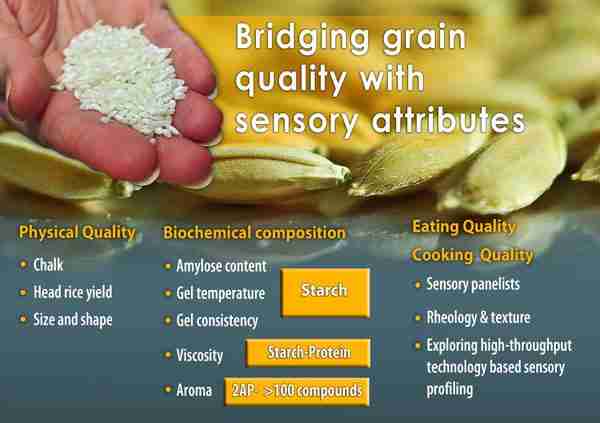
The advancement of technology has revolutionized the way grains are processed and preserved, significantly enhancing the quality of the final product. Utilizing combine mini rice mills not only improves harvesting efficiency but also ensures that the grains retain their essential nutrients and flavors. Through innovative milling techniques, these systems minimize the damage to the grains, which is crucial for maintaining both quality and shelf life. By integrating features like automated paddy selection and multi-stage milling, they provide a seamless solution to achieve superior milling results while reducing wastage.
Moreover, the preservation of grain quality is further supported by the implementation of advanced storage solutions that harness the power of technology. Investing in climate-controlled storage systems helps in creating an optimal environment that prevents spoilage due to moisture and pests. These solutions can often be tailored to meet specific grain requirements, ensuring maximum efficacy. Here’s a brief overview of the benefits of integrating these advanced solutions into the grain preservation process:
| Benefit | Description |
|---|---|
| Improved Nutrient Retention | Advanced milling preserves the vitamins and minerals in grains. |
| Reduced Waste | Efficient processes minimize grain breakage and losses. |
| Customizable Storage | Flexible solutions cater to varying grain needs and conditions. |
| Pest and Moisture Control | Climate control technology actively mitigates spoilage risks. |
Sustainable Practices in Rice Production through Efficient Milling
Integrating modern milling technology with sustainable practices reshapes the rice production landscape significantly. The combine mini rice mill is an exemplary innovation that minimizes waste while maximizing efficiency. By streamlining the milling process to occur directly in the fields, farmers can experience several benefits, such as:
- Reduced Transportation Costs: Milling on site lessens the need to transport paddy over long distances.
- Lower Energy Consumption: Localized processing utilizes less energy compared to large, centralized mills.
- Minimized Grain Loss: These mills are designed to efficiently separate husks without damaging the grains, ensuring higher yield.
Furthermore, sustainable milling practices contribute to environmental health. By employing efficient methods, we can significantly decrease the carbon footprint associated with rice production. For instance, the combination of renewable energy sources in powering these mills ensures a lower reliance on fossil fuels. Here’s a brief comparison of traditional versus mini rice milling efficiency:
| Criteria | Traditional Milling | Combine mini rice mill |
|---|---|---|
| Energy Usage | High | Low |
| Waste Generation | Significant | Minimal |
| Transportation Needs | Extensive | Localized |
| Grain Damage | Common | Low |
The Conclusion
In a world where efficiency is key to sustainable agricultural practices, the advent of combine mini rice mills represents a significant step forward. These innovative machines not only streamline the rice milling process but also empower small-scale farmers by reducing labor costs and enhancing productivity. As we’ve explored, the fusion of compact design with powerful functionality allows for remarkable versatility, ensuring that rural communities can thrive in an ever-evolving market.
As we look to the future, the potential of combine mini rice mills to revolutionize not just rice production, but also the broader landscape of agribusiness, is undeniable. By unlocking the door to greater efficiency, these machines are paving the way for a new era of agricultural innovation. It is clear that embracing such technology can help us address challenges ranging from food security to environmental sustainability.
as stakeholders in the agricultural sector consider their paths forward, the integration of combine mini rice mills could very well be a game-changer. By combining tradition with modern technology, we can cultivate not only a more productive but also a more resilient agricultural future. The power to unlock efficiency is here—let’s harness it wisely.




