In a world where convenience often dictates our lifestyles, the rise of mini rice mills stands out as a remarkable trend reshaping the agricultural landscape. These compact machines, designed to simplify the rice milling process, are unlocking new possibilities for small-scale farmers and entrepreneurs alike. Gone are the days when rice processing required significant investment and large machinery; instead, mini rice mills promise accessibility, efficiency, and a sustainable solution to meet the growing demand for quality rice. As we delve into this phenomenon, we will explore how these innovative devices are revolutionizing rice production, empowering communities, and fostering economic growth in regions where rice is a staple crop. Join us as we unveil the impact of mini rice mills on modern agriculture and the convenience they bring to our daily lives.
Exploring the Evolution of Rice Milling Technologies
The journey of rice milling technologies has been nothing short of remarkable, transitioning from traditional methods to sophisticated machinery. Early rice processing was labor-intensive and time-consuming, utilizing wooden mortars and pestles. As time passed, the advent of steam power and then electric motors revolutionized the industry, allowing larger quantities of rice to be milled more efficiently. This evolution not only involved size and capacity but also brought about improvements in the quality of rice through better polishing techniques, ensuring minimal broken grains and maximum yield, which was crucial for meeting the growing demands of populations. Today’s milling technology emphasizes precision, reducing waste and enhancing the nutritional value of the final product.
Amidst advancements, mini rice mills have emerged as a significant innovation in response to the needs of small-scale farmers and household consumers. These compact machines are designed for efficiency and ease of use, making rice milling accessible to even the most remote communities. Their popularity can be attributed to several key advantages:
- Cost-effectiveness: With lower initial investment and running costs, they empower small businesses.
- Portability: Mini rice mills can easily be transported, bringing milling capabilities directly to the source of rice production.
- User-friendly designs: Simplified controls allow individuals without technical expertise to operate them.
As these technologies continue to evolve, they hold the potential to further transform the rice industry, providing opportunities for economic development in rural areas.

Understanding the Economic Benefits of Mini Rice Mills
Mini rice mills have emerged as a significant player in the agricultural landscape, offering a range of economic advantages that can benefit both farmers and local communities. Reduced processing costs are one of the most notable benefits; these compact mills are typically more affordable to purchase and maintain than their larger counterparts. By lowering operational expenses, smallholder farmers can process their rice more efficiently, thus maximizing their profits. Additionally, the direct access to milling services allows farmers to retain control over their harvested crop, minimizing the need for intermediary traders and ensuring that they receive fair compensation for their products.
Furthermore, the introduction of mini rice mills can have positive ripple effects on local economies. By creating job opportunities, these facilities can foster community growth and improve livelihoods. Local entrepreneurs can take advantage of the milling services to start their businesses, contributing to the economic vitality of the region. Moreover, mini rice mills often empower women and marginalized groups, enhancing their participation in the agricultural sector. The ability to process rice locally not only strengthens food security but also stimulates other related industries, such as transport and retail, amplifying the overall economic impact.
Enhancing Food Security through Localized Production
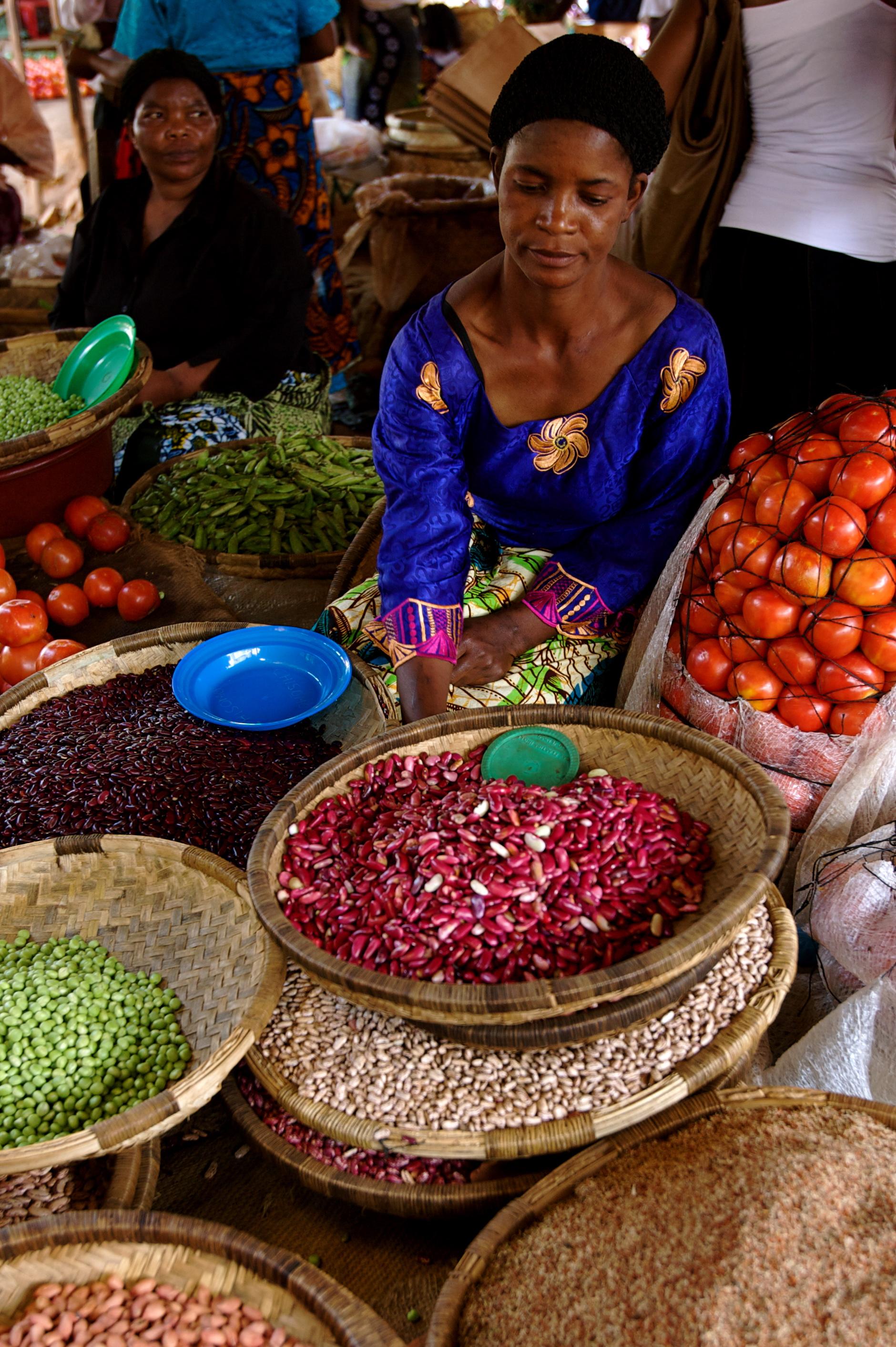
Localized production plays a pivotal role in strengthening food security, and mini rice mills are emerging as a vital tool in this endeavor. By establishing small-scale processing units closer to rice-growing communities, we not only minimize transportation costs but also empower local farmers. With access to essential milling facilities, growers can process their own crops into market-ready rice, ensuring that they receive a fairer price for their produce. This decentralized approach fosters a direct link between farmers and consumers, thereby boosting local economies and enhancing food self-sufficiency.
Moreover, the implementation of mini rice mills promotes sustainable agricultural practices. Local mills often use eco-friendly technologies and renewable energy sources, reducing the carbon footprint associated with large-scale processing. This contributes to a more resilient food system, where communities become less reliant on distant suppliers. Key benefits include:
- Job Creation: Small mills generate local employment opportunities.
- Reduced Food Wastage: Freshly milled rice has a longer shelf life.
- Quality Control: Farmers maintain control over the milling process, ensuring better quality products.
| Benefit | Description |
|---|---|
| Accessibility | Farmers can easily access milling facilities, reducing dependency on distant mills. |
| Community Resilience | Local production increases food availability during crises. |
Key Considerations for Choosing the Right Mini Rice Mill
When selecting a mini rice mill, several factors warrant careful consideration to ensure that your investment meets both your needs and expectations. First, evaluate the capacity of the mill. Depending on your requirements, whether for domestic use or small-scale commercial production, the right capacity will ensure efficiency without overwhelming resource management. Second, consider the power source. Opt for models that operate on electricity or diesel based on the availability of resources in your area, as this can impact the operational cost significantly.
Moreover, the build quality and durability of the mill are crucial. Look for mills constructed from high-quality materials that can withstand consistent use over time. Additional features, such as adjustable milling, ease of cleaning, and portability, can also enhance functionality. don’t overlook the importance of customer support and warranty options from the manufacturer, as these aspects can safeguard your investment and provide peace of mind.
| Feature | Importance |
|---|---|
| Capacity | Matches your processing needs |
| Power Source | Cost efficiency based on resources |
| Durability | Long-term investment protection |
| Adjustable Settings | Enhances versatility and user experience |
To Wrap It Up
As we navigate the ever-evolving landscape of food production and consumption, the ascent of mini rice mills marks a significant shift toward convenience and efficiency. These compact powerhouses not only cater to the needs of small-scale farmers and local communities but also play a pivotal role in promoting sustainable practices and reducing transportation costs. Embracing technology and innovation, mini rice mills highlight a future where accessibility meets quality, ensuring that everyone can enjoy freshly milled rice at their leisure. As we stand on the brink of this rice revolution, it’s clear that the humble grain will continue to nourish not just bodies, but communities—one mini mill at a time. With their ability to adapt and thrive, mini rice mills represent a promising avenue for food security and economic empowerment across diverse landscapes. The journey ahead is filled with potential, and together, we can unlock the full promise of convenience and sustainability in our everyday lives.