
In an era where efficiency reigns supreme and sustainability is not just a choice but a necessity, the agricultural sector is undergoing a remarkable transformation. Among the innovations leading this charge are combine mini rice mills, a beacon of progress that is redefining traditional rice processing. These compact powerhouses harness cutting-edge technology to streamline operations, conserve resources, and ultimately empower farmers. As we delve into the wonders of these mini mills, we’ll explore how they not only enhance productivity but also contribute to a more sustainable future for rice cultivation. Join us on this journey to unlock the efficiency hidden within every grain.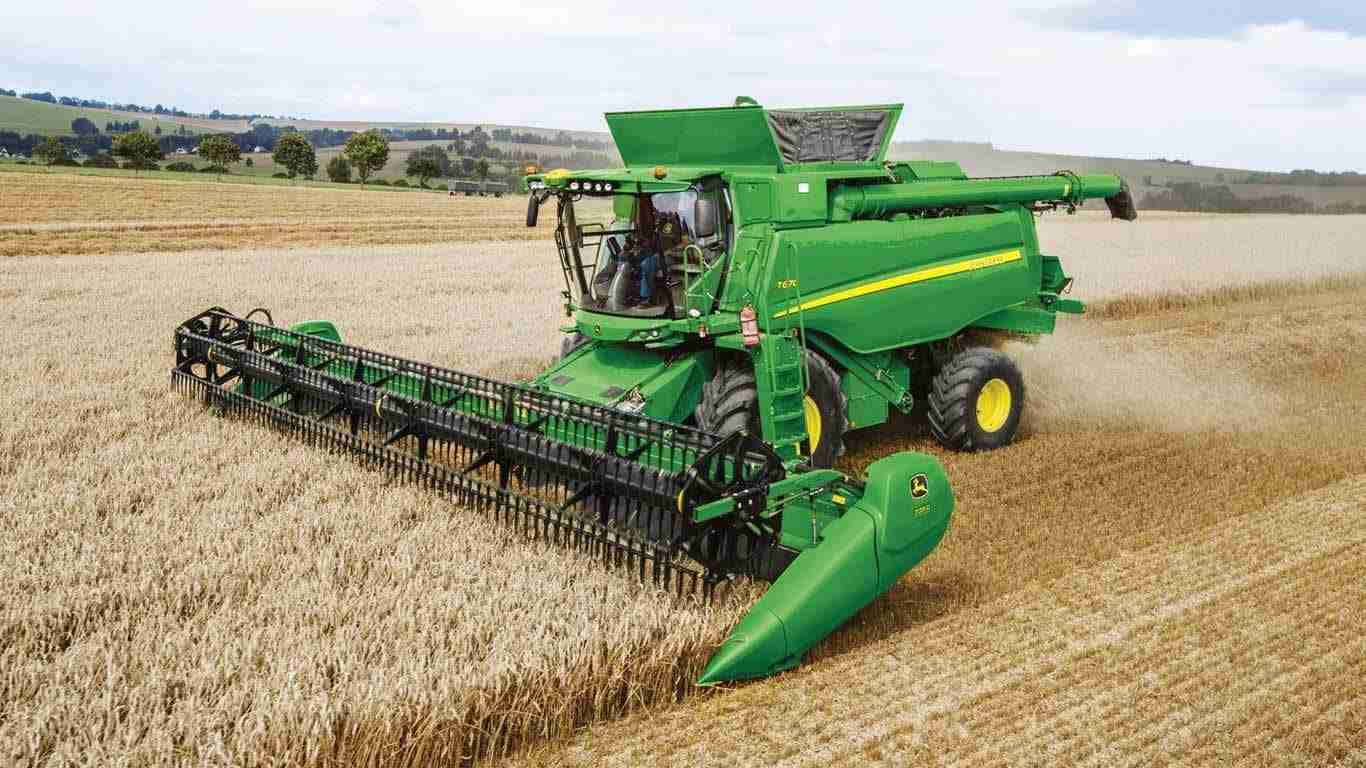
Exploring the Mechanisms Behind Combine Mini Rice Mills
In recent years, the agricultural landscape has witnessed a transformation, particularly with the advent of combine mini rice mills. These innovative machines serve a dual purpose—efficiently processing rice while simultaneously reducing labor costs and time. The core mechanism revolves around the seamless integration of multiple functions, such as threshing, husking, and milling, into a single compact unit. This not only enhances productivity but also minimizes post-harvest losses, which can significantly impact farmers’ income. Important components include:
- Automated Feeding System: Ensures a continuous supply of raw rice to enhance throughput.
- Durable Milling Blades: Crafted for longevity and efficiency, ensuring high-quality rice output.
- Compact Design: Facilitates easy transportation and use in various field conditions.
The operation of combine mini rice mills is a marvel of engineering that combines both traditional and modern agricultural practices. Key technological advancements such as smart sensors and user-friendly interfaces allow operators to monitor performance metrics in real time, optimizing the milling process for maximum yield. The implementation of energy-efficient systems also plays a significant role in reducing the carbon footprint of rice production. Below is a table summarizing the advantages of combine mini rice mills:
| Advantage | Description |
|---|---|
| Time Savings | Consolidates multiple processes, significantly speeding up rice harvest and processing. |
| Cost Efficiency | Reduces labor and energy costs compared to traditional milling methods. |
| Quality Output | Ensures high-quality rice with minimal breakage during processing. |

Maximizing Productivity: Key Features to Consider
In the quest for enhanced efficiency, mini rice mills introduce a myriad of features that cater to the modern needs of users. One prominent aspect is their compact design, which allows for easy installation in limited spaces without sacrificing performance. Many models come equipped with a high-capacity milling system that ensures maximum output while maintaining the quality of rice products. Furthermore, energy efficiency is another pivotal consideration; these mills often utilize advanced motors and technologies that minimize energy consumption while maximizing operational prowess, ensuring that users benefit from lower utility bills without compromising on quality.
Another significant feature worth noting is the integration of automated controls. These user-friendly interfaces not only streamline the milling process but also allow for real-time monitoring of performance metrics. The inclusion of multi-functionality is also a game-changer, as modern mini rice mills offer the ability to perform various tasks—such as husking, milling, and polishing—within a single unit. This versatility saves time and labor costs, making it an attractive investment for both small-scale farmers and enterprises. The following table summarizes the essential features that users should consider when selecting the ideal mini rice mill:
| Feature | Description |
|---|---|
| Compact Design | Fits small spaces without compromising functionality. |
| Energy Efficiency | Reduces power consumption while delivering high output. |
| Automated Controls | User-friendly interface for easy operation and monitoring. |
| Multi-functionality | Handles multiple tasks in one machine, saving time. |

Economic Benefits of Mini Rice Mills for Small Scale Farmers
The introduction of mini rice mills has transformed the agricultural landscape for small-scale farmers, providing them with a sustainable and efficient means to process their produce. By minimizing the reliance on large centralized milling facilities, farmers can significantly enhance their profitability. Here are some of the economic benefits garnered from utilizing these compact machines:
- Cost Efficiency: Reduced milling costs allow farmers to reinvest savings into their operations.
- Time Savings: Quick processing times enable farmers to sell their rice promptly, capitalizing on favorable market conditions.
- Value Addition: Freshly milled rice can fetch a higher price than unprocessed grain, enhancing income.
- Job Creation: Mini rice mills can create local employment opportunities, stimulating the community’s economy.
Moreover, mini rice mills contribute to a sustainable farming ecosystem by encouraging better management of resources. They empower farmers by providing access to essential technology, enabling them to make strategic decisions regarding production and marketing. The following table illustrates how localized milling improves economic outcomes:
| Feature | Before Mini Mills | After Mini Mills |
|---|---|---|
| Milling Cost | High | Reduced |
| Processing Time | Days | Hours |
| Income from Rice Sales | Moderate | Increased |
| Job Opportunities | Limited | Expanded |
These economic benefits of mini rice mills emphasize their role as game-changers for smallholders, reinforcing their importance in modern agriculture. By adopting such innovative solutions, farmers can achieve greater autonomy and stability, ensuring a brighter future for themselves and their communities.
Sustainable Practices and Environmental Impact in Rice Milling
The modern rice milling industry is undergoing a significant transformation as it embraces sustainable practices to mitigate its environmental impact. One of the standout innovations in this domain is the implementation of combine mini rice mills, which not only enhance processing efficiency but also reduce waste and energy consumption. By utilizing advanced technology and eco-friendly materials, these mills help in minimizing the ecological footprint of rice production. The key sustainable practices associated with this type of milling include:
- Energy Efficiency: Combine mini rice mills are designed to operate with lower energy consumption compared to traditional milling processes.
- Waste Reduction: These mills significantly reduce by-products, such as husk and bran, which can be repurposed for energy generation or animal feed.
- Water Conservation: Improved milling techniques decrease water usage, protecting this vital resource in agricultural practices.
- Carbon Footprint: Lower emissions are achieved through optimized machinery and processes, contributing to a greener environment.
Moreover, the adoption of responsible sourcing and local materials further amplifies the positive impact of combine mini rice mills. By supporting local economies, these mills foster community resilience while promoting sustainable agricultural practices. As the industry shifts towards a more ecological focus, key metrics in sustainability are becoming increasingly important. Below is a table outlining some of the vital elements associated with the environmental benefits of these innovative mills:
| Sustainability Metric | Impact |
|---|---|
| Energy Consumption | Reduction by up to 30% |
| Water Usage | Decreased by 20% |
| Waste Generation | Minimized by 40% |
| Carbon Emissions | Lowered by 25% |
Incorporating these sustainable practices allows the rice milling sector to align with global efforts towards sustainability, creating a balance between productivity and ecological responsibility. The leap towards eco-friendly milling is not just a choice but a necessity for future generations.
The Conclusion
In a world where efficiency drives success, the advent of combine mini rice mills stands as a testament to innovation meeting necessity. These compact powerhouses not only streamline the process of rice milling but also empower farmers and small-scale producers, giving them the tools to thrive in a competitive market. As we look toward the future, embracing such advanced technologies will undoubtedly shape the agricultural landscape, allowing for sustainable practices and enhanced productivity. As the grains turn with precision and speed, so too does the potential for progress—an opportunity to transform not just the rice industry but the very foundation of food security. So, as we turn off the machines and close the pages on this exploration, let us remember the vital role these mini mills play in cultivating a more efficient, sustainable agricultural revolution, one grain at a time.




