
In an era where efficiency reigns supreme, the agricultural landscape is undergoing a transformative shift, particularly in the realm of rice production. As the world’s population burgeons and demands for staple foods soar, the need for innovative solutions to streamline processing has never been more critical. Enter the mini rice milling machine—a compact yet powerful tool rapidly gaining traction among farmers and small-scale millers alike. This article explores the ascent of these efficient devices, delving into their design, functionality, and the significant impact they have on enhancing productivity, reducing costs, and empowering local economies. Join us as we unpack the revolutionizing force of mini rice milling machines and their role in securing a sustainable future for rice agriculture.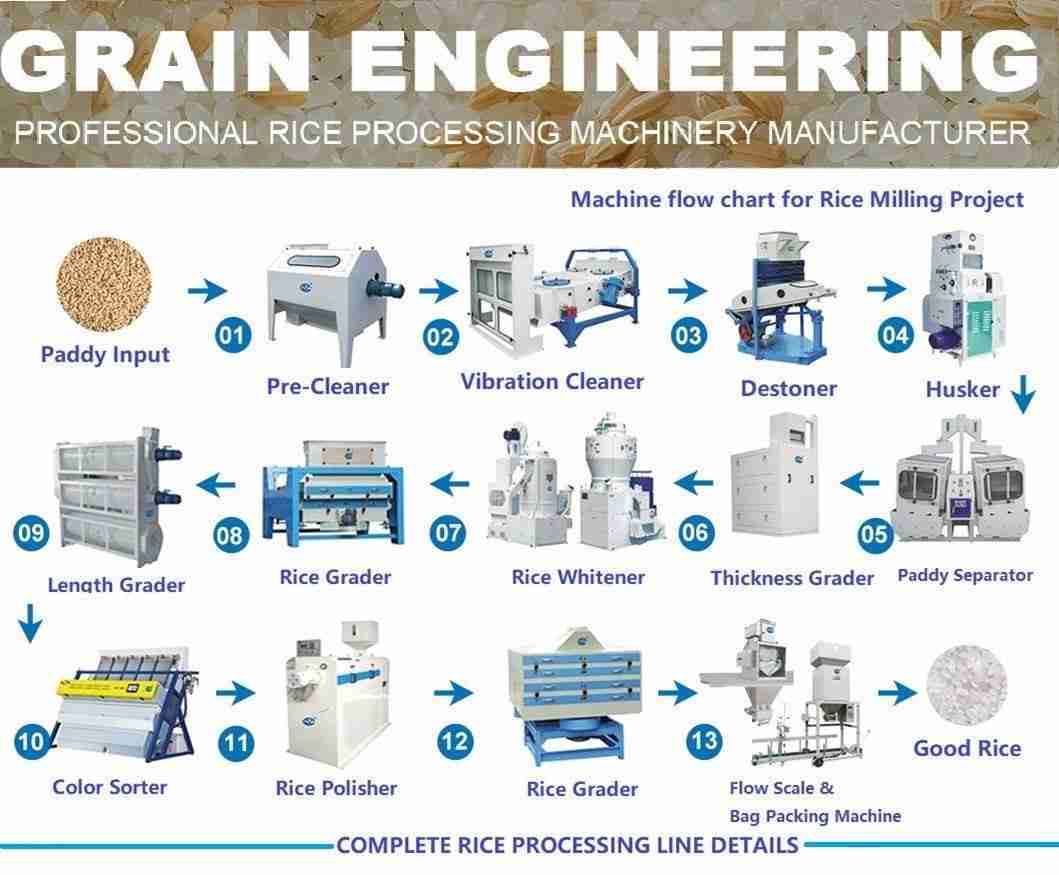
The Evolution of Rice Milling Technology and Its Impact on Small Scale Farmers
The journey of rice milling technology has evolved significantly, marked by transformative innovations that have reshaped agricultural practices. Traditionally, rice was hulled using labor-intensive methods, limiting productivity and heightening post-harvest losses. With the introduction of mini rice milling machines, small-scale farmers have experienced a revolution in their operations. These compact machines not only streamline the milling process but also enhance efficiency by reducing the time and effort required to transform paddy into rice, making the process more accessible and sustainable for farmers in rural areas.
Moreover, as these machines are designed to be energy-efficient and affordable, they empower small-scale farmers to improve their livelihoods. The benefits can be summarized as follows:
- Reduced Labor Costs: Automating the milling process cuts down on the number of laborers needed.
- Higher Rice Quality: Enhanced milling precision preserves the nutritional value of rice.
- Increased Profit Margins: By milling their own rice, farmers can sell directly to consumers without intermediaries.
| Feature | Benefits |
|---|---|
| Compact Design | Fits small farm operations |
| Cost-Effective | Reduces need for external milling services |
| Quick Setup | Minimizes downtime during harvesting season |
As the adoption of mini rice milling machines spreads, small-scale farmers are not only enhancing their production capabilities but also fostering local economies. The transition from traditional milling practices to modern equipment signifies a leap towards self-sufficiency and sustainability, empowering communities to take charge of their agricultural processes. This evolution in rice milling technology serves as a testament to the resilience and adaptability of small-scale farmers in the face of changing agricultural landscapes.
Benefits of Mini Rice Milling Machines for Enhanced Productivity and Cost Efficiency
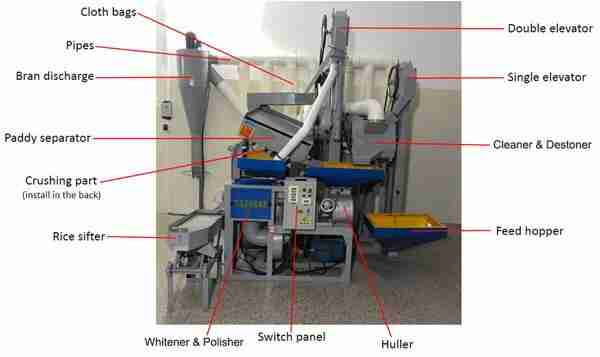
The integration of mini rice milling machines has revolutionized agricultural processing and is quickly becoming essential for modern farmers and businesses. Enhanced productivity is perhaps the most notable advantage. These machines are designed to operate efficiently with minimal power consumption, resulting in lower operational costs. With their compact size, they can be installed in various settings, from small farms to urban processing facilities. This flexibility not only makes them accessible but also maximizes the use of available space while increasing the output of high-quality rice. Farmers can mill rice more swiftly, which subsequently improves turnaround times for market deliveries.
Moreover, the economic benefits are tangible and impactful. The upfront investment in a mini rice milling machine is often significantly lower than that for larger systems, making them an attractive option for small to medium-sized enterprises. With reduced labor costs and the ability to process rice at scale, businesses can achieve a higher profit margin. The following table highlights key advantages that underscore their cost-efficiency:
| Feature | Benefit |
|---|---|
| Compact Design | Requires less space and setup costs |
| Low Power Consumption | Decreased energy expenses |
| Quick Operation | Faster turnaround from field to market |
| Reduced Labor Needs | Lower staffing expenses |
Choosing the Right Mini Rice Milling Machine for Your Needs and Budget
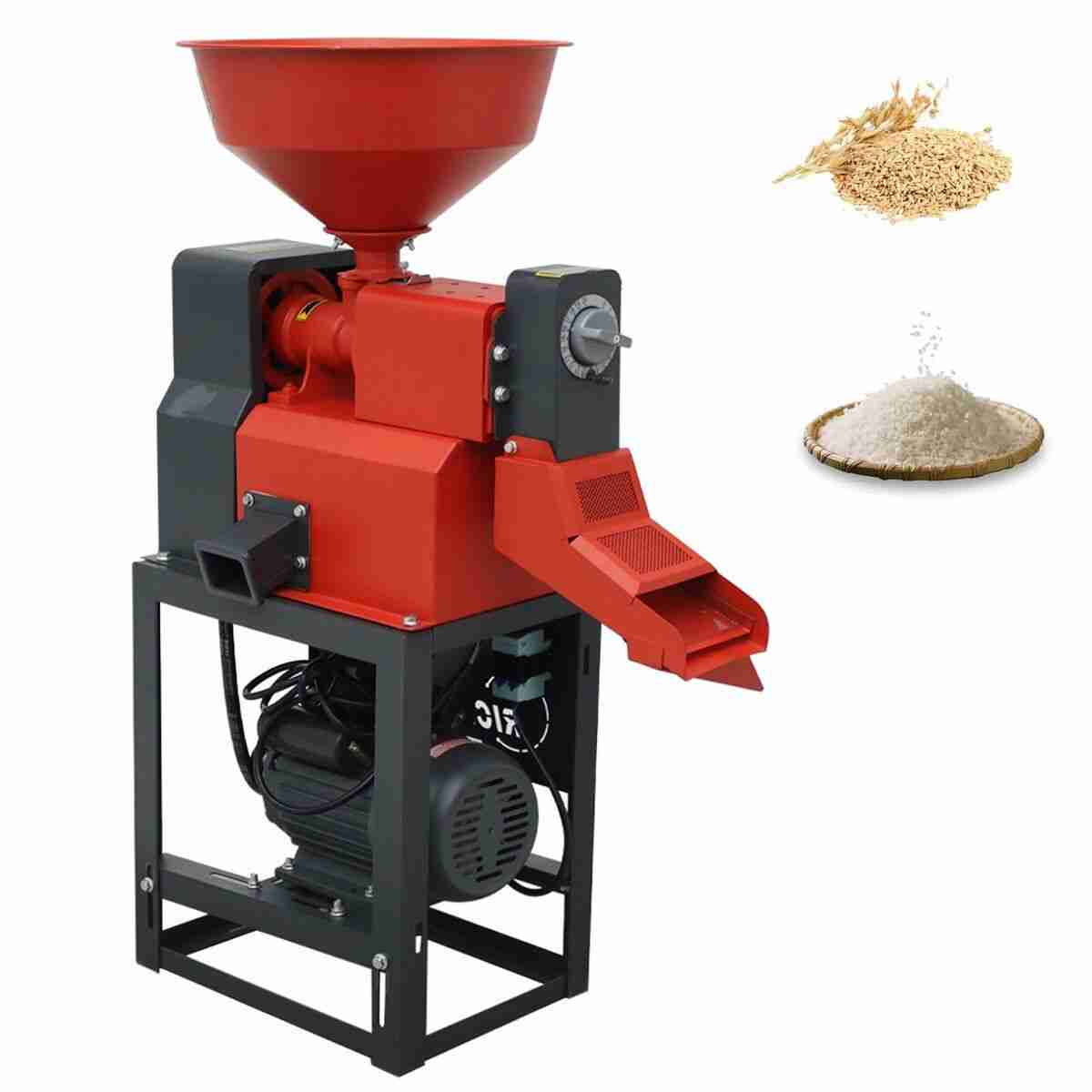
When selecting a mini rice milling machine, it’s essential to consider several factors that align with your specific requirements and financial capacity. Begin by assessing the capacity you need—machines are available in a range from small models suitable for individual households to larger ones for small businesses. Aside from capacity, contemplate the power consumption of the machine. More energy-efficient models can save you money over time, even if their upfront costs are higher. Moreover, check for ease of operation and maintenance, as devices that require extensive upkeep might turn out to be more burdensome than beneficial.
Another critical point is to research the brand reputation and read user reviews. Established brands often provide better warranties and customer support, which is invaluable when encountering issues with the machine. It’s also wise to compare prices across different suppliers to ensure you’re getting the best deal for your investment. Here’s a succinct table to help with your comparison:
| Feature | Low-End Model | Mid-Range Model | High-End Model |
|---|---|---|---|
| Capacity (kg/h) | 100 | 300 | 600 |
| Power (kW) | 1.5 | 3.0 | 5.0 |
| Average Price ($) | 500 | 1200 | 2500 |
| Warranty (years) | 1 | 2 | 3 |
Sustainability and Future Prospects: The Role of Mini Rice Milling in Modern Agriculture
The advent of mini rice milling technology marks a pivotal shift in agricultural practices, particularly in regions where rice is a staple crop. These compact machines empower local farmers by enabling them to mill their produce on-site, significantly reducing transportation costs and time. The emergence of such innovations not only enhances efficiency in processing but also supports the concept of sustainable agriculture by minimizing food waste and ensuring fresher produce reaches the market. Moreover, as environmental consciousness grows, the preference for energy-efficient machines will play a crucial role in reforming agricultural standards, ensuring that both productivity and ecological balance can coexist harmoniously.
As mini rice milling continues to gain popularity, the future prospects are promising. The integration of smart technology into these machines presents opportunities for farmers to monitor their milling processes and optimize yields with precision. This technological enhancement could lead to increased profitability and lower operational costs. Additionally, local production of milled rice can contribute to food security, reducing dependency on large-scale commercial mills that may have significant carbon footprints. By investing in mini rice milling, farmers can foster community resilience, drive economic growth, and play a vital role in shaping a sustainable agricultural future.
The Way Forward
As we move forward in a world increasingly driven by innovation and efficiency, mini rice milling machines stand out as champions of both functionality and convenience. These compact powerhouses are reshaping the landscape of rice production, offering a blend of accessibility and enhanced performance that meets the needs of smallholders and larger operations alike. The rise of these machines reflects a growing recognition of the importance of sustainable practices in agriculture, empowering farmers to maximize their output while minimizing waste.
In this new era of milling technology, the humble grain of rice is no longer simply a staple food; it’s becoming a symbol of progress and adaptability. With ongoing advancements in design and technology, we can anticipate even greater efficiency in the future—transforming not just how we mill rice, but how we approach food production as a whole. As we embrace these changes, the path ahead promises to be not only more productive but also more environmentally conscious, supporting the livelihoods of farmers around the globe.
As we conclude our exploration of this rising trend, it becomes clear that mini rice milling machines are not just tools; they are an invitation to rethink traditional methods and embrace a more efficient, sustainable future in agriculture. The journey towards unlocking efficiency is just beginning, and it’s one we can all be a part of.




