
In the ever-evolving landscape of agriculture, the quest for efficiency and sustainability remains at the forefront of innovation. Among the emerging solutions transforming the rice milling industry are combine mini rice mills—powerful, compact machines that promise to redefine the way farmers approach post-harvest processing. As global demand for rice continues to rise, these mills offer a beacon of hope, merging traditional practices with modern technology to optimize production, reduce losses, and enhance quality. In this article, we will explore the rise of combine mini rice mills, examining their design, benefits, and the pivotal role they play in empowering smallholder farmers and promoting food security in communities around the world. Join us on a journey through the grains of innovation, where efficiency is not just a goal, but a tangible reality rooted in the fields of our agricultural future.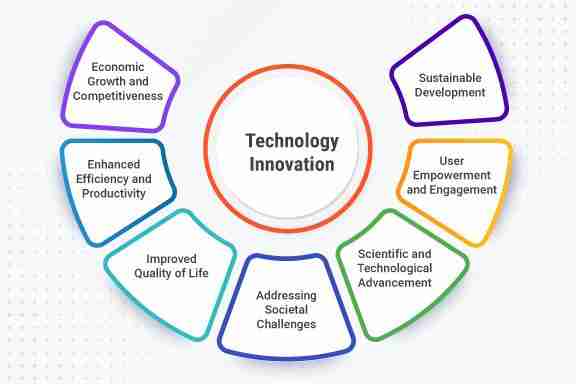
Innovative Technology Transforming Small-Scale Rice Production
In recent years, the agriculture sector has witnessed remarkable advancements, particularly in the sphere of rice production. One of the groundbreaking innovations is the emergence of combine mini rice mills. These compact machines not only streamline the milling process but also offer farmers a plethora of benefits. By integrating multiple functions, these mills effectively reduce manual labor and overhead costs, which is critical for smallholder farmers. The advantages of combine mini rice mills include:
- Space Efficiency: Their compact design allows them to fit easily in small farming operations.
- Technological Integration: Equipped with digital interfaces, they provide real-time data on production metrics.
- Cost-Effectiveness: By combining multiple functions, these mills save on equipment and maintenance costs.
Furthermore, mini rice mills come equipped with features that enhance grain quality, such as precise control over milling intensity. This feature ensures that the rice retains its nutritional value and minimizes wastage—a vital aspect for farmers looking to maximize their output. Farmers can also benefit from tailored training programs that come with these machines, empowering them with the skills to operate and maintain the technology effectively. Below is a brief comparison of conventional milling methods versus combine mini rice mills:
| Feature | Conventional Milling | Combine mini rice mill |
|---|---|---|
| Labor Requirement | High | Low |
| Space Needed | Large | Compact |
| Production Efficiency | Moderate | High |

Cost-Effectiveness of Mini Rice Mills for Local Farmers
Mini rice mills have emerged as a sustainable solution for local farmers, offering several cost-effective benefits that are reshaping the landscape of rice production. By cutting down on the need for large-scale industrial processing, these compact units empower farmers to process their harvests on-site, reducing transportation costs and time delays associated with transferring paddy to distant milling facilities. The operation of a mini rice mill is not only less daunting but also requires a significantly lower initial investment compared to conventional rice milling plants, making it accessible for smallholders and cooperatives alike.
Moreover, the operational efficiency of these mills translates into decreased energy consumption and reduced wastage, contributing to a lower overall cost of production. The ability of farmers to mill their rice ensures they retain more profits by eliminating middlemen and gaining direct access to market prices. As the following table illustrates, adopting a mini rice mill can enhance profit margins substantially by lowering production costs, thus enabling local farmers to invest in better seeds, fertilizers, and other farm improvements.
| Cost Factor | Traditional Milling | mini rice mill |
|---|---|---|
| Initial Investment | $50,000+ | $10,000-$20,000 |
| Transportation Cost | High | Low |
| Operational Costs | Higher | Lower |
| Profit Margin | 10-20% | 30-50% |
Sustainability and Environmental Benefits of Compact Milling Solutions
The adoption of compact milling solutions plays a pivotal role in promoting environmental sustainability within the rice production industry. By utilizing a minimal footprint, these innovative machines significantly reduce the land and resources needed for milling operations. They foster the concept of local production, decreasing transportation requirements and consequently lowering carbon emissions associated with delivery logistics. Key benefits include:
- Energy Efficiency: Compact mills consume less energy, optimizing resource use and minimizing waste.
- Water Conservation: These solutions often use advanced technologies that require considerably less water than traditional milling methods.
- Reduced Waste: With better separation of husks and grains, less material goes to waste, ensuring more sustainable use of raw resources.
Furthermore, compact milling solutions contribute positively to local economies by empowering smallholder farmers and cooperatives. By processing rice on-site, these technologies not only enhance fresh product availability but also encourage the use of environmentally friendly practices, such as organic farming. The following table outlines the comparative impact of traditional versus compact rice milling on sustainability metrics:
| Metric | Traditional Milling | Compact Milling |
|---|---|---|
| Land Use | High | Low |
| Energy Consumption | High | Low |
| Water Usage | High | Low |
| Carbon Emissions | Significant | Minimal |
Future Trends in Rice Processing: Embracing Mini Mill Efficiency
The evolution of rice processing technology has led to significant advancements in efficiency, particularly with the rise of mini rice mills. These compact systems not only reduce the physical footprint of traditional processing setups but also enhance operational effectiveness. Unlike larger industrial mills, mini mills are designed to handle smaller batches, which results in reduced energy consumption and lower costs. Key benefits of mini mills include:
- Increased Accessibility: Mini mills can be operated in rural areas, promoting local production.
- Low Initial Investment: Entrepreneurs can enter the rice processing industry without significant financial burdens.
- Flexible Processing Options: These mills can be easily adjusted to process diverse rice varieties.
As the demand for high-quality rice increases, integrating modern technology with traditional practices has never been more vital. The use of automated features and advanced milling techniques in mini rice mills is driving productivity and minimizing waste. Additionally, embracing eco-friendly practices is becoming a cornerstone for these mini mills. Consider the following aspects of sustainable mini rice milling:
| Sustainable Feature | Benefits |
|---|---|
| Energy-Efficient Motors | Significant reduction in electricity consumption. |
| Water Recycling Systems | Minimizes water usage during processing. |
| Waste Utilization | Turns by-products into valuable feed or fertilizer. |
With these trends, the mini rice milling sector is set not only to meet current market demands but also to pave the way for future innovations that prioritize efficiency and sustainability in rice processing.
In Retrospect
the rise of combine mini rice mills marks a significant shift in the agricultural landscape, showcasing the power of innovation in transforming traditional practices. As these compact and efficient machines continue to gain traction, they not only streamline rice production but also empower farmers with enhanced productivity and reduced labor costs. By harnessing technology, these mills are redefining the agricultural narrative, fostering sustainability, and contributing to food security in an increasingly demanding world. As we move forward, it will be crucial to embrace these advancements, ensuring that we support practices that uplift farmers while promoting resource efficiency. The journey of combine mini rice mills is just beginning, and their potential to fuel the future of agriculture remains boundless.




