
Unleashing Efficiency: A Deep Dive into Mini Rice Milling Machines
In a world where the quest for efficiency and sustainability is more pressing than ever, the agricultural sector is not left untouched. Among the myriad of innovations making waves in this field, mini rice milling machines stand out as a beacon of progress. These compact powerhouses are revolutionizing rice processing, transforming traditional methods into streamlined operations that save time, reduce costs, and meet the ever-growing demand for polished grains. As we embark on a journey through the intricate workings and remarkable capabilities of these machines, we will explore their significance in enhancing productivity for small-scale farmers and entrepreneurs alike. Join us as we delve into the features, benefits, and future prospects of mini rice milling machines, uncovering how they are poised to reshape the landscape of rice processing across the globe.
Understanding the Technology Behind Mini Rice Milling Machines
Mini rice milling machines represent a remarkable fusion of traditional processing methods and modern technology, creating an efficient solution for rice production. At the core of these machines is a hull removal system, which effectively separates the husks from the rice grains. This is primarily achieved through a combination of mechanical forces and airflow, allowing for a clean output with minimal grain breakage. Key components such as the paddy separator and rice white rice milling unit work harmoniously to ensure each grain meets the desired quality standard. With features like adjustable settings, these machines cater to various rice varieties, optimizing the milling process for different textures and tastes.
The technology used in mini rice milling machines also boasts advanced grain classification systems that enhance the separation of good-quality rice from broken or inferior grains. This is complemented by dust removal systems, which improve the cleanliness of the final product and minimize waste. Additionally, the incorporation of digital displays and user-friendly controls allows operators to monitor the entire milling process with ease and precision. The amalgamation of these technologies ensures that small-scale farmers and millers can achieve high productivity while maintaining the quality of their rice, making these machines a vital asset in agricultural innovation.
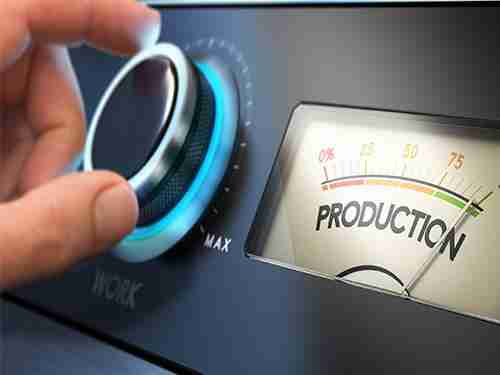
Optimizing Production: Benefits and Applications in Small Scale Operations
In small scale operations, optimizing production can significantly enhance profitability and sustainability. Mini rice milling machines, specifically designed for such environments, provide a streamlined approach to processing rice, ensuring minimal waste and maximum output. By automating the milling process, these machines enable small operators to increase their efficiency and reduce labor costs. Some key advantages include:
- Reduced Processing Time: With advanced technology, rice milling can be completed in a fraction of the time compared to traditional methods.
- Improved Quality: Quality control features in mini milling machines ensure that the rice produced is of high grade, attracting better market prices.
- Energy Efficiency: Smaller machines consume less energy, making operations cost-effective and eco-friendly.
- Scalability: These machines can be easily integrated into existing operations, allowing businesses to scale up as demand increases.
Furthermore, the applications of mini rice milling machines extend beyond mere processing. They empower local farmers and entrepreneurs, fostering economic growth in rural communities. Investing in these machines can transform agricultural practices and enhance food security by providing consistent and reliable rice supply, crucial for both local consumption and market distribution. Below is a comparison table highlighting the impact of adopting mini milling technology:
| Aspect | Traditional Milling | Mini Rice Milling |
|---|---|---|
| Processing Time | Up to 8 hours | 1-2 hours |
| Labor Requirement | High | Low |
| Energy Consumption | High | Low |
| Product Quality | Variable | Consistent |
Key Features to Consider When Choosing a Mini Rice Milling Machine
When selecting a mini rice milling machine, there are several essential features that demand your attention to ensure optimal performance and efficiency in your milling operations. First and foremost, consider the capacity of the machine. The output capacity, often measured in kilograms per hour, can significantly impact your production workflow. Smaller units are ideal for household use, while larger machines cater to small-scale commercial operations. Additionally, examine the power source—whether electric or diesel—based on your environment and accessibility to power.
Another vital aspect is the milling technology employed by the machine. Different technologies, such as rubber roll or disc milling systems, offer distinct advantages in terms of rice quality and husk separation efficiency. It’s essential to evaluate the ease of maintenance and whether the machine components are easily accessible for repairs and cleaning. Furthermore, look for features like adjustable settings for husk and bran removal, which allow greater control over the texture and quality of the milled rice. Incorporating a built-in dust collection system can also enhance operator safety and cleanliness.
| Feature | Importance | Considerations |
|---|---|---|
| Capacity | Production Efficiency | Choose based on anticipated output |
| Power Source | Operational Flexibility | Electric vs. Diesel suitability |
| Milling Technology | Quality of End Product | Types of milling systems available |
Maintenance Best Practices for Longevity and Performance Improvement
To ensure the longevity and optimal performance of mini rice milling machines, regular maintenance is crucial. By adhering to a structured maintenance schedule, operators can keep machines running efficiently while minimizing the risk of costly repairs. Daily inspections should involve checking for any unusual noises or vibrations, as these can indicate underlying issues that need attention. Additionally, it’s essential to clean the machine regularly to prevent residue accumulation, which can affect performance. Key maintenance practices include:
- Lubrication: Regularly lubricate moving parts to reduce friction and wear.
- Belt Tension: Check and adjust the belt tension regularly to ensure optimal operation.
- Filter Replacement: Change air and fuel filters as specified in the manufacturer’s guidelines.
Moreover, scheduled professional servicing plays a pivotal role in the upkeep of these machines. Such services not only provide in-depth inspections but also allow for the replacement of any worn-out parts before they lead to significant downtime. Keeping meticulous records of repairs and maintenance can help operators track performance trends and spot issues early. For clarity, here’s a simple table illustrating essential maintenance tasks, implementation frequency, and responsible personnel:
| Maintenance Task | Frequency | Responsible Personnel |
|---|---|---|
| Lubricate moving parts | Weekly | Operator |
| Inspect belts and tension | Bi-weekly | Maintenance Staff |
| Replace filters | Monthly | Technician |
To Wrap It Up
the world of mini rice milling machines represents a fascinating intersection of tradition and innovation. As we’ve explored, these compact marvels not only optimize the milling process but also empower local farmers and small-scale entrepreneurs by enhancing productivity and reducing waste. The implementation of such technology fosters a sustainable approach to rice processing, minimizing the environmental footprint while maximizing economic benefits. As we look towards the future, it is clear that embracing these efficient solutions can play a pivotal role in not just meeting the ever-growing demands for rice but also in improving livelihoods and strengthening local economies. Whether you are a farmer, an entrepreneur, or simply an enthusiast of agritech advancements, the journey into the realm of mini rice milling machines invites us all to rethink possibilities and cultivate a more efficient tomorrow.




