
In the heart of rural landscapes and bustling urban centers alike, a quiet revolution is unfolding—one that promises to reshape the way we think about grains, food production, and local economies. The mini rice mill, once relegated to the peripheries of agricultural technology, has risen to prominence, signaling a transformative shift in how rice is processed and distributed. As the demand for local food sources continues to surge alongside a growing awareness of sustainable practices, these compact machines are becoming a beacon of hope for small-scale farmers, entrepreneurs, and communities at large. By bridging the gap between traditional methods and modern efficiencies, mini rice mills are not just changing the physics of grain processing; they are igniting a movement that empowers individuals and revitalizes economies. Join us as we explore this remarkable phenomenon and uncover the impact of the mini rice mill revolution on the global agriculture landscape.
The Evolution of Grain Processing in a Sustainable Era
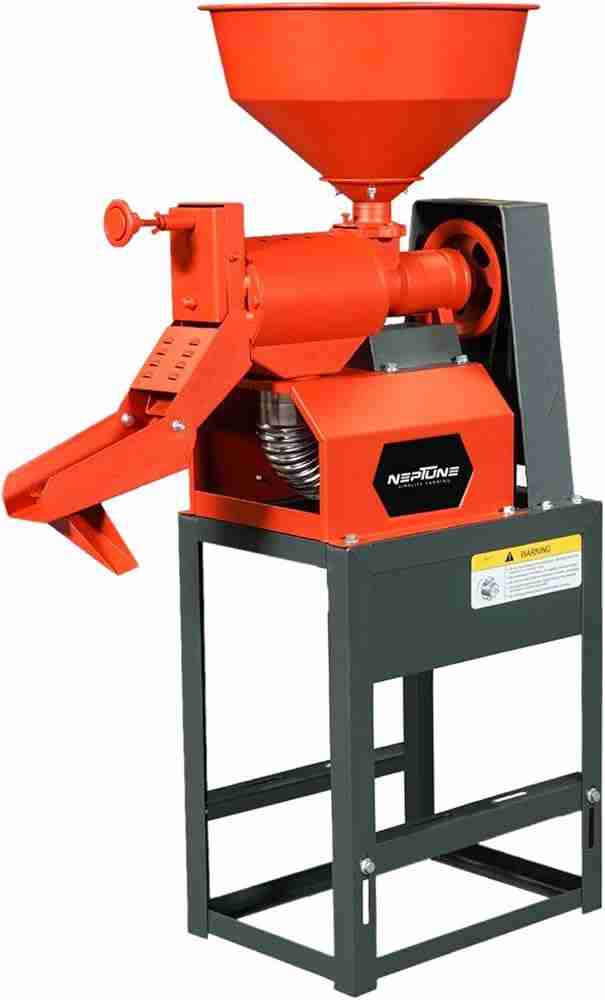
In recent years, the landscape of grain processing has undergone a remarkable transformation, driven by an urgent need for sustainability. At the heart of this change is the emergence of mini rice mills, which have democratized grain processing for small-scale farmers and local communities. These compact and efficient machines provide an eco-friendly alternative to traditional processing methods by reducing energy consumption and minimizing environmental impact. The rise of mini rice mills signifies a shift towards localized food production systems, where the benefits extend beyond mere efficiency; they empower farmers to add value to their produce, promoting local economies while adhering to sustainable practices.
The integration of technology in mini rice mills has played a pivotal role in enhancing performance and reducing waste. Equipped with features like husking, milling, and polishing, these machines are designed to maximize yield and improve the quality of the final product. The incorporation of advanced monitoring systems also allows for better resource management, ensuring that water and energy use is optimized. Furthermore, by focusing on small-scale operations, these mills are enabling communities to cultivate resilience against global supply chain disruptions. As we navigate this era of environmental consciousness, mini rice mills exemplify a promising pathway for sustainable grain processing, where community and eco-friendly practices are at the forefront.
| Feature | Benefits |
|---|---|
| Compact Design | Easy to transport and install |
| Energy Efficient | Lower operational costs |
| Multi-functionality | Husking, milling, and polishing in one machine |
| Local Processing | Boosts local economies and minimizes carbon footprint |
Unlocking the Potential: Benefits of Mini Rice Mills for Farmers
The rise of mini rice mills represents more than just a shift in agricultural technology; it signifies a deeper empowerment for farmers and their communities. By investing in these compact and efficient milling machines, farmers can experience substantial improvements in their production processes. The ability to process rice on-site means reduced transport costs and minimized loss during milling, providing farmers with greater control over quality and pricing. Furthermore, the self-sufficiency achieved through local milling allows farmers to respond quickly to market demands, ultimately leading to increased profitability.
Additionally, the social and economic impact of mini rice mills extends to the communities surrounding agricultural hubs. With the capability to produce polished rice in smaller batches, farmers are opening doors to value-added products that can cater to local tastes and preferences. This transformation can spur local entrepreneurship by creating opportunities for job creation in operating and maintaining the mills, as well as marketing the finished products. Hence, the benefits include:
- Increased Income: Higher marketability of freshly milled rice.
- Resource Optimization: Efficient use of labor and resources.
- Community Development: Encouragement of cooperative ventures and local businesses.
Moreover, adopting mini rice mills can pave the way for innovative agricultural practices. Farmers can explore sustainable farming techniques while combining traditional methods with modern technology. The shift can also foster a sense of reliance on local ecosystems, bringing about a healthier agricultural landscape. The ability to mill rice locally not only safeguards the farmers’ interests but builds a resilient network that thrives on collaboration and community spirit.
Navigating Challenges in Implementation and Operation
Implementing mini rice mills in rural areas comes with a unique set of challenges that stakeholders must navigate effectively. One prominent issue is the infrastructure required for smooth operation. Many localities often lack adequate access roads, which can hinder the transportation of raw materials and finished products. Additionally, electricity supply and reliability are frequent concerns, as power outages can disrupt milling operations and affect productivity. Investing in renewable energy sources, such as solar panels, could help resolve some of these issues while promoting sustainability.
Operational challenges also manifest in the form of skill gaps among the workforce. Many local farmers may be inexperienced with modern milling technology, which can result in inefficiencies. To address this, comprehensive training programs focusing on machine operation and maintenance are essential for ensuring proper utilization of the equipment. Furthermore, establishing strong support networks for farmers can foster a sense of community and collaboration, encouraging shared learning and resource optimization.
| Challenge | Solution |
|---|---|
| Infrastructure inadequacies | Invest in renewable energy and improve access roads |
| Power supply instability | Utilize solar energy systems for milling processes |
| Skill gaps in operation | Implement targeted training programs |
| Lack of community support | Establish farmer cooperatives and networks |
Future Trends: Innovations Shaping the mini rice mill Landscape
The evolution of mini rice mills is witnessing an impressive surge, driven by innovations that enhance both efficiency and usability. Smart technology integration is transforming traditional operations, allowing for better precision in milling and reducing wastage. Emerging features, such as IoT connectivity, enable mill operators to monitor and optimize performance in real-time, ensuring consistent quality in the end product. Additionally, energy efficiency improvements are becoming a priority, with manufacturers focusing on creating eco-friendly machines that significantly decrease energy consumption, aligning with global sustainability goals.
Moreover, advancements in automated processing systems are reshaping the landscape by minimizing the labor involved in rice milling. Automated sorting and packaging capabilities not only streamline operations but also enhance the overall product appeal. This trend is complemented by a growing emphasis on modularity in design, allowing millers to customize their machines as per specific needs without incurring significant costs. As the mini rice mill revolution unfolds, it’s clear that these innovations are paving the way for a more productive and sustainable agricultural future.
| Innovation | Description |
|---|---|
| IoT Connectivity | Real-time monitoring and performance optimization. |
| Energy Efficiency | Machines designed to reduce energy consumption. |
| Automated Processing | Reduces labor and increases operational efficiency. |
| Modular Design | Customization of machines tailored to specific needs. |
The Conclusion
In the grand tapestry of agricultural innovation, the rise of the mini rice mill revolution stands as a testament to adaptability and ingenuity. As farmers embrace these compact powerhouses, we witness a transformative shift not only in the processing of grains but also in the empowerment of local communities. These miniature marvels offer unprecedented access to technology, efficiency, and sustainability, ensuring that the future of rice production is not just about quantity, but quality and resilience.
As we conclude our exploration of this remarkable movement, it becomes evident that the story of grains is not merely about the crops themselves, but about the people, traditions, and innovations that bring them from fields to tables. With the mini rice mill revolution, we are reminded that sometimes, the smallest changes can yield the greatest impact, fostering a new era of self-sufficiency and economic growth. As we look ahead, the journey of transformation continues, inviting us all to partake in a future where agriculture thrives in harmony with the communities it nourishes.




