
In the heart of agricultural innovation, where tradition meets technology, mini rice mill plants stand as a testament to the evolving landscape of grain processing. These compact yet powerful facilities are revolutionizing the way we transform raw grains into polished pearls of nourishment, catering to both local farmers and discerning consumers. As the demand for efficient, sustainable food production grows, these mini mills offer a pragmatic solution—balancing quality, affordability, and accessibility. This article delves into the fascinating world of mini rice mill plants, exploring their design, functionality, and impact on local economies and food systems. Join us as we uncover the intricate processes that turn humble grain into a staple that fuels millions across the globe, all while fostering innovation on a micro scale.
The Evolution of mini rice mill Technology
The journey of mini rice mill technology has been marked by significant advancements that have transformed the agricultural landscape. Early rice milling systems were often manual, labor-intensive, and required considerable time and effort for minimal yield. As demand for rice grew alongside population increases, innovation became essential. Modern mini rice mills now feature automated processes that enhance efficiency and reduce the physical strain on workers. These mills utilize advanced mechanisms such as paddy huskers, rice polishers, and grinding mills, which contribute to producing high-quality rice with less effort and time.
Today, mini rice mills are designed with compactness and portability in mind, making them accessible for small-scale farmers and entrepreneurs. This evolution has introduced various technologies, including energy-efficient motors and user-friendly interfaces, aimed at simplifying operations. Additionally, mini mills increasingly incorporate features such as environmental sustainability practices and smart technology integrations, allowing for greater control and monitoring of the milling process. The adoption of these modern innovations not only enhances productivity but also ensures that milling operations can adapt to the changing demands of the agricultural market.
Maximizing Efficiency: Key Features of Mini Rice Mills
Mini rice mills have revolutionized rice processing, offering numerous features that enhance productivity while maintaining high quality. One of the standout attributes is their compact design, which allows them to fit into smaller spaces without compromising functionality. This is particularly beneficial for small-scale farmers and entrepreneurs looking to establish a cost-effective milling operation. Additionally, these mills often come equipped with advanced automation technologies, which streamline the milling process. Automation reduces manual labor and minimizes human error, resulting in a more consistent product.
Another significant feature is the energy efficiency of mini rice mills. They typically utilize low-power motors that consume less electricity compared to traditional milling methods. This not only lowers operating costs but also makes them environmentally friendly. Furthermore, the maintenance of these mills is straightforward, with readily available spare parts and user-friendly manuals, making it easy for operators to perform regular upkeep. To illustrate the benefits of mini rice mills, consider the following table:
| Feature | Benefit |
|---|---|
| Compact Design | Fits into limited spaces; great for small operations |
| Advanced Automation | Reduces labor and ensures consistency |
| Energy Efficiency | Lowers operating costs and is eco-friendly |
| Easy Maintenance | Simplifies upkeep with readily available spare parts |
Economic Benefits for Small-Scale Farmers
Small-scale farmers stand to gain significantly from the implementation of mini rice mill plants, transforming their agricultural practices while boosting their economic prospects. By reducing the reliance on external milling facilities, these farmers can enjoy increased margins on their harvested products. Direct milling offers advantages such as:
- Cost Efficiency: Lower milling fees compared to traditional facilities.
- Quality Control: Farmers can ensure that their grains are milled to their desired specifications.
- Fresher Products: Immediate processing leads to superior quality rice, appealing to consumers.
Moreover, the localized nature of mini rice milling promotes community resilience and sustainable practices. Local farmers can band together to share resources, contributing to a cooperative model that encourages mutual benefit. The economic ripple effects can include:
- Job Creation: Establishing milling operations creates local employment opportunities.
- Market Access: Farmers can access niche markets with premium prices for freshly milled rice.
- Diversification: By processing their grain, farmers can diversify their product offerings, including value-added products like rice flour or organic rice.
| Benefit Type | Details |
|---|---|
| Cost Savings | Lower milling costs leading to increased profits. |
| Quality Improvement | Enhanced control over milling quality and standards. |
| Community Impact | Strengthened local economies through job creation and collaboration. |
Sustainable Practices in Modern Grain Processing
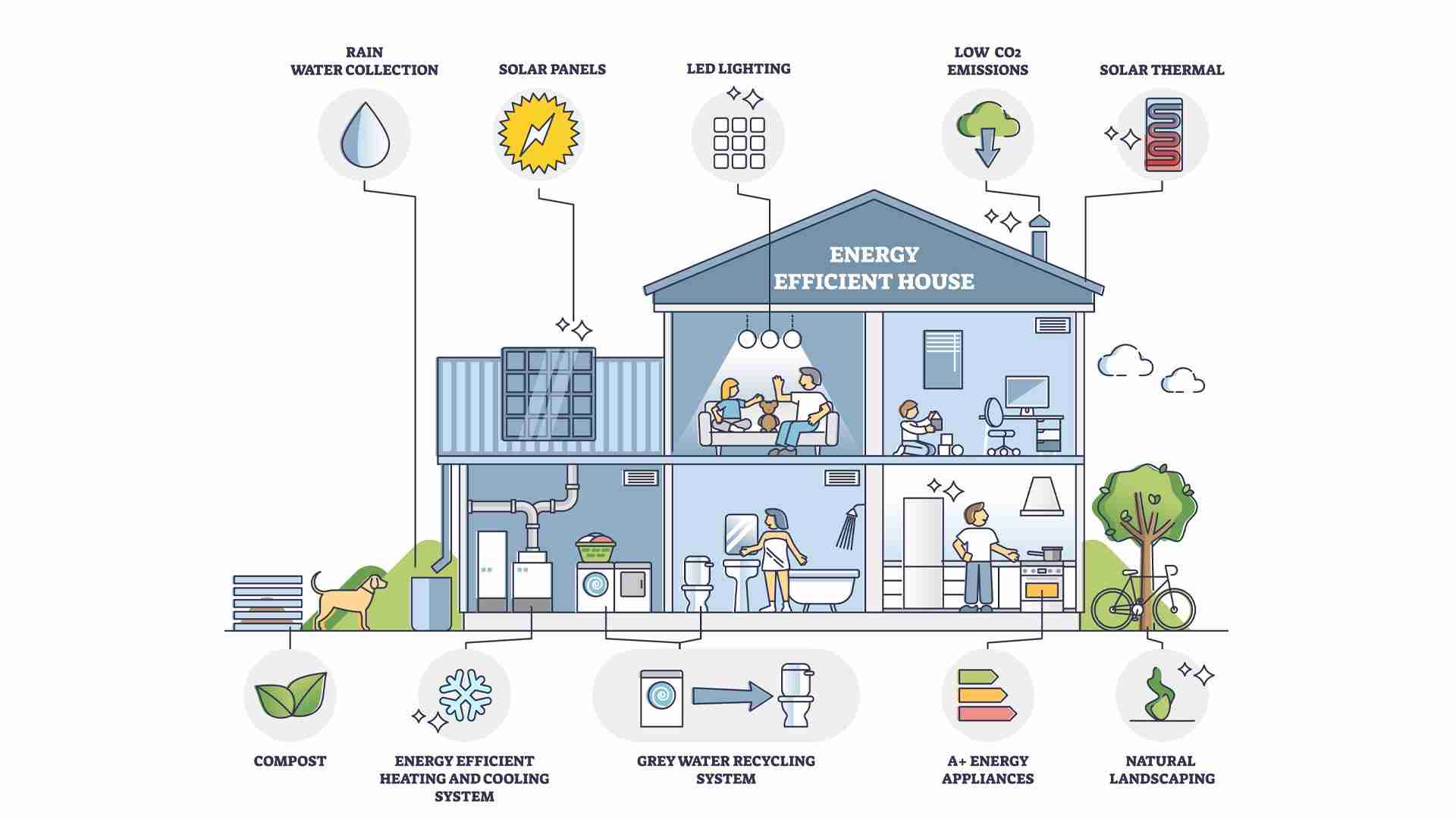
As the demand for eco-friendly solutions escalates, the grain processing industry has begun to adopt innovative sustainable practices. mini rice mill plants are at the forefront of this transformation, utilizing modern technology that minimizes waste and enhances resource efficiency. Key practices include:
- Utilization of Renewable Energy: Many facilities are now incorporating solar panels to power operations, significantly reducing reliance on fossil fuels.
- Water Conservation Techniques: Advanced milling technologies use closed-loop systems that recycle water, thus decreasing overall consumption.
- Biodegradable Packaging: Transitioning from plastic to biodegradable materials for packaging helps reduce plastic waste in landfills.
Moreover, mini rice mills are increasingly focusing on eco-friendly sourcing and waste reduction. Many plants implement processes such as:
- Byproduct Utilization: Leftover husks and bran are being repurposed as animal feed or bioenergy, contributing to a circular economy.
- SMART Technology Integration: Automation and IoT technology are used to optimize processing efficiency and monitor energy consumption in real-time.
- Community Engagement: Collaborating with local farmers to promote organic grain production ensures that sustainable practices extend beyond the processing plant.
| Practice | Benefits |
|---|---|
| Solar Energy Usage | Reduces carbon footprint and lowers energy costs. |
| Water Recycling | Conserves a vital resource and reduces operational waste. |
| Biodegradable Packaging | Minimizes environmental impact and enhances sustainability. |
Closing Remarks
As we conclude our exploration of mini rice mill plants, it becomes clear that these compact powerhouses are more than just machines; they represent a transformative shift in the way grains are processed. In a world that increasingly values efficiency and sustainability, the rise of mini rice mills embodies a response to the pressing needs of local farmers and communities alike. By democratizing access to milling technology, these plants not only enhance food security but also empower small-scale agriculture.
As we move forward, it is essential to recognize the pivotal role that such innovations play in our global food system. The journey from paddy to polished rice is no longer limited to large, centralized facilities. Instead, mini rice mill plants are paving the way for localized production, reduced transportation costs, and fresher, more nutritious products for consumers.
In embracing these advancements, we stand on the precipice of a new era in grain processing—one that promises opportunity, resilience, and a deeper connection to the food we consume. As our understanding of these transformative systems grows, so too will our appreciation for the intricate journey of grains, from field to fork. Let us continue to engage with this evolving landscape, celebrating the innovations that nourish our communities and sustain our planet.




