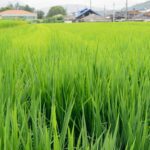
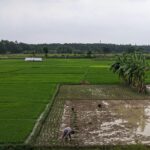
In the heart of rural landscapes, where the golden fields of rice stretch toward the horizon, a quiet revolution is taking root.The dawn of mini rice mills is transforming the agricultural scene, ushering in a new era for farmers and communities alike. Traditionally, the labor-intensive processes associated with rice milling often left smallholders at the mercy of market fluctuations and large-scale operations. However, these compact, efficient machines are changing the game, offering an accessible solution that empowers local producers, enhances food security, and stimulates rural economies.As we explore the rise of mini rice mills, we uncover a story of innovation, resilience, and the potential to reshape the future of agriculture—one grain at a time.
Empowering Small Farmers through Mini Rice Mills
Across rural landscapes, a quiet revolution is taking place as small farmers embrace the transformative power of mini rice mills. These compact and efficient milling machines provide an accessible and cost-effective solution for processing paddy into rice,which is a staple food for millions. By enabling farmers to undertake the milling process themselves, mini rice mills help them retain a larger share of the profits, directly impacting their livelihoods. This self-reliance fosters agricultural sustainability and enhances food security in local communities.
Implementing these mills has sparked a remarkable shift in farming practices. Some key benefits include:
- Reduced Dependency: Farmers are less reliant on large commercial mills, giving them greater control over their produce.
- Quality Control: With in-house milling, farmers can ensure better quality rice that meets the demands of local markets.
- Job Creation: Mini rice mills often require skilled operators, providing employment opportunities within the community.
Beyond economic advantages, the introduction of mini rice mills is fostering a sense of pride among small farmers. They now possess the tools to drive innovation and efficiency in their own operations. The ripple effects of this empowerment extend well beyond individual farmers, cultivating stronger communities and contributing to the overall growth of the agricultural sector.
Innovative Technology: Enhancing Efficiency and Sustainability
In recent years, the agricultural sector has witnessed a remarkable conversion with the advent of mini rice mills, which are not onyl compact but also efficient in various facets of rice processing. These innovative machines are designed to cater to the needs of smallholder farmers, providing an accessible and cost-effective solution for rice milling. With features like low energy consumption, user-friendly operations, and minimal maintenance, these mills empower local farmers to process their harvested crops independently, thus reducing reliance on large milling facilities. Furthermore, the incorporation of advanced technology into these machines ensures higher yields, allowing for better quality rice and minimizing post-harvest losses.
Beyond enhancing productivity, mini rice mills considerably contribute to sustainability in agriculture. By promoting local processing, they help in reducing carbon footprints associated with transporting goods over long distances. The efficiency of these mills also translates into reduced energy consumption, resulting in lower greenhouse gas emissions. The benefits extend further with the potential for utilizing by-products in environmentally friendly ways, such as producing organic fertilizers from rice husks. To highlight the impact of mini rice mills, consider the following table that summarizes the efficiency gains compared to traditional milling methods:
| Feature | traditional Milling | mini Rice Mills |
|---|---|---|
| Energy Consumption | High | Low |
| Capital Cost | High | Affordable |
| Processing Time | Long | Short |
| Post-Harvest Losses | Higher | Lower |
Economic Impact: Boosting Local Economies through Rice Production
The surge in mini rice mills not only modernizes agricultural practices but also significantly stimulates local economies. By enabling farmers to process rice on-site, these mills reduce transportation costs and enhance profit margins. Local mill operations create job opportunities in various sectors, including machinery maintenance, logistics, and retail. This ripple effect encourages balanced economic growth within rural communities,leading to a more self-sufficient and resilient agricultural system.
Moreover,mini rice mills contribute to the overall value chain of rice production. They facilitate the enhancement of product quality, making locally produced rice more appealing in regional and national markets. This shift enhances income levels for farmers and local entrepreneurs. As demand for processed rice rises, areas housing these mills witness a surge in ancillary services and enterprises, such as:
- Storefronts selling packaged rice and other rice-based products
- Food processing units leveraging local grains for various culinary offerings
- Export opportunities that connect local farmers to global markets
to illustrate the profound impact of mini rice mills on local economies, consider the following table showcasing employment growth and income generation in regions where these mills have been established:
| Region | Jobs Created | Average Income Increase (%) |
|---|---|---|
| Region A | 150 | 30% |
| Region B | 200 | 45% |
| Region C | 100 | 25% |
With the proliferation of mini rice mills, the potential for increased investment and commerce within agricultural areas grows exponentially. A community that embraces these innovations not only thrives economically but also sets a robust foundation for sustainable, forward-thinking agricultural practices.
market Opportunities: Navigating Trends and Consumer Demands
The emergence of mini rice mills presents a critically important opportunity to address the growing demand for local and sustainably-sourced agricultural products. As consumers become increasingly conscious of their food choices,the versatility and efficiency of these mills enable small-scale farmers to process rice on-site,ensuring freshness and minimizing transportation costs. This localized approach not only enhances the supply chain but also empowers communities by creating jobs and promoting entrepreneurship among farmers. With rising interest in organic and naturally processed foods, the mini rice mill industry is well-positioned to cater to a shifting consumer base seeking quality over quantity.
Additionally, technological advancements have contributed to the viability of these compact mills, making them more accessible to farmers. Features such as energy-efficient machines and user-friendly interfaces allow even smallholder farmers to maximize output while minimizing environmental impact. The market is ripe for innovation,as many regions still rely on traditional methods that may not meet the demands of a modern,health-conscious consumer base. By tapping into these trends,businesses can leverage the push towards sustainability,with mini rice mills serving as a catalyst for economic growth and community resilience.
| Market Trends | Opportunities |
|---|---|
| Rising health consciousness | Demand for organic rice products |
| Preference for local sourcing | Increased sales through community markets |
| Technological advancements | Enhanced efficiency in rice processing |
| Support for sustainable practices | Access to grants and funding for eco-friendly initiatives |
The Conclusion
the rise of mini rice mills represents a pivotal evolution in agricultural practices, merging modern technology with traditional farming. These compact facilities are not just redefining the dynamics of rice production; they are empowering local farmers,boosting economies,and ensuring food security. as we stand on the cusp of a new agricultural era, the simplicity and efficiency of these mini mills pave the way for a more sustainable future, bridging the gap between rural communities and the evolving demands of global markets. The transformation of agriculture is not merely about advancements in machinery, but also about fostering resilience and innovation at the grassroots level. As the seeds of change take root, it is clear that mini rice mills are more than just tools—they are catalysts for a thriving agricultural landscape that holds promise for generations to come.