
In the bustling world of agriculture, where every grain matters and efficiency is paramount, a quiet revolution is taking place in the form of mini rice mills. These compact powerhouses are reshaping the landscape of grain processing, transforming labor-intensive tasks into streamlined operations. With their ability to cater to local farmers and small-scale producers, mini rice mills promise not only to enhance productivity but also to empower communities by reducing reliance on larger processing facilities. As we delve into the transformative power of these machines, we will explore their significance in enhancing grain quality, cutting costs, and fostering sustainable farming practices. Join us on this journey to discover how mini rice mills are redefining the future of grain processing, one kernel at a time.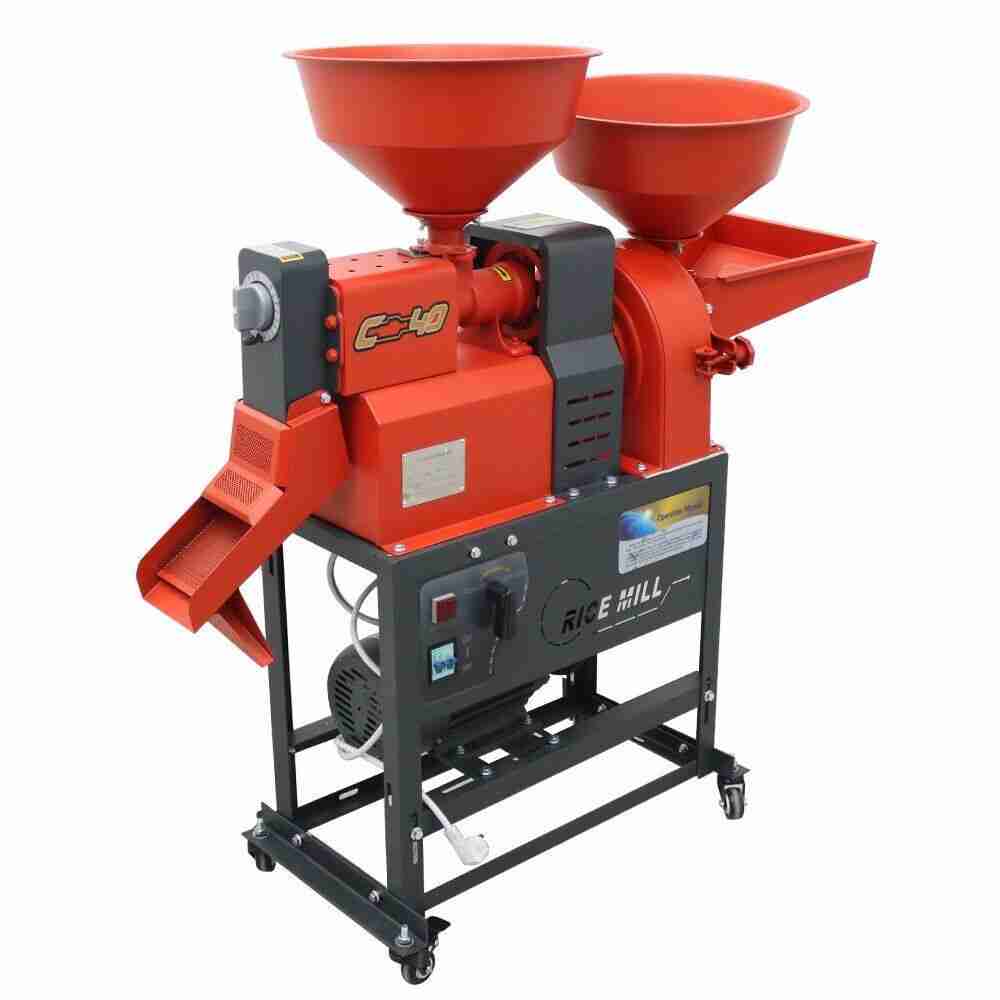
Understanding the mini rice mill Revolution in Grain Processing
The introduction of mini rice mills has transformed the landscape of grain processing, offering an efficient and cost-effective solution for farmers and small-scale producers. With their compact size and user-friendly design, these mills can be easily integrated into rural agricultural settings, providing a hands-on approach to grain production. Mini rice mills operate with remarkable precision, allowing users to convert raw paddy into high-quality rice while minimizing waste. By utilizing advanced technology, they effectively reduce both processing time and energy consumption, making them a sustainable choice for local economies.
Furthermore, the versatility of mini rice mills extends beyond rice processing. Many of these modern machines are equipped to handle a variety of grains, thereby enhancing their utility for diverse agricultural communities. Key advantages include:
- Affordability: Lower operational costs compared to traditional mills.
- Sustainability: Eco-friendly, with energy-efficient designs.
- Flexibility: Can process different grains with interchangeable parts.
- Community Empowerment: Supports local businesses and reduces reliance on large milling industries.
As more farmers adopt these innovations, the ripple effect can lead to improved food security, enhanced economic independence, and a more connected community of producers and consumers alike. Embracing the mini rice mill revolution marks a significant step towards resilient agricultural practices, ensuring that even the smallest operations can thrive in an increasingly competitive market.

Transforming Efficiency: How Mini Rice Mills Elevate Production Standards
The advent of mini rice mills has significantly reshaped the landscape of grain processing, offering an innovative solution tailored for efficiency enthusiasts. Unlike traditional milling methods that often involve cumbersome machinery, mini rice mills bring a host of advantages to the table. These compact powerhouses enhance productivity through their streamlined operations and reduced processing times. Users find that these mills are not only easier to manage but also more adaptable to varying scales of operation, making them ideal for both small-scale farmers and larger agricultural enterprises. The versatility of these machines allows for:
- Compact Design: Small footprint requiring minimal space.
- Energy Efficiency: Lower power consumption compared to larger mills.
- Quality Output: Enhanced milling quality that retains grain nutrients.
- Easy Maintenance: Simplified repair processes for increased uptime.
Furthermore, the impact of mini rice mills on production standards extends beyond efficiency to encompass economic benefits. By enabling local processing, these mills reduce dependency on distant processing centers, thus lowering transportation costs and boosting local economies. With evolving technology, modern mini rice mills are equipped with features that ensure superior rice quality through precise control of milling parameters. This results in a product that not only meets consumer expectations but also supports farmers by providing them with better returns. The following table outlines some key features and benefits:
| Feature | Benefit |
|---|---|
| Automated Controls | Consistent grain quality with less manual labor |
| Multi-functional Capabilities | Ability to process various grains, enhancing utility |
| Portable Design | Allows movement between different processing sites |
Maximizing Yield and Quality: Best Practices for Integrating Mini Rice Mills
Embracing mini rice mills can significantly enhance the efficiency of grain processing while ensuring high-quality output. To achieve optimal results, several best practices should be integrated into the operation. First and foremost, selecting the right technology is crucial. Choose mills that complement existing infrastructure and support the volume requirements of production. Next, prioritize regular maintenance of the equipment to prevent breakdowns and ensure consistent performance. This includes lubricating moving parts, cleaning the machinery, and conducting routine inspections. Effectively calibrating the milling process, by adjusting parameters like moisture content and milling speed, can also lead to improved rice yield and quality.
In addition to maintaining equipment, investing in training for staff is essential. Empowering the workforce with knowledge on optimal processing techniques fosters a conscientious approach to rice milling. Consider implementing the following strategies:
- Quality Control Protocols: Establish systematic checks during processing to identify and rectify issues early on.
- Supplier Relationships: Build strong connections with farmers to ensure a steady supply of high-quality paddy.
- Market Research: Keep abreast of consumer preferences to adapt production accordingly.
Regular analysis of production data can reveal trends that help in fine-tuning practices for better yield and quality. Conducting periodic workshops focuses on innovations and reduces waste, ultimately leading to a more sustainable operation.
| Best Practice | Impact on Yield and Quality |
|---|---|
| Regular Equipment Maintenance | Reduces Downtime |
| Training for Staff | Improves Processing Techniques |
| Quality Control Protocols | Enhances Product Consistency |
| Supplier Relationships | Secures Quality Raw Material |
Cost-Effective Solutions: Financial Benefits of Adopting Mini Rice Milling Technology
Investing in mini rice milling technology presents a compelling opportunity for farmers and millers to enhance their profit margins. With reduced operational costs, these compact machines enable users to cut down on energy consumption significantly compared to larger alternatives. The efficiency of mini rice mills allows for faster processing times, which translates into less labor cost and increased output. Some of the key financial benefits include:
- Lower Initial Investment: The purchase price of mini rice mills is typically lower than that of conventional milling systems, making them accessible for small to medium enterprises.
- Operational Efficiency: These mills require less energy and fewer resources, leading to substantial savings in utility bills.
- Reduced Waste: Mini mills optimize grain usage and decrease the amount of byproduct waste, improving overall profit
- Enhanced Quality Control: With the ability to process rice on-site, producers can ensure fresher products, offering better quality to consumers, which can command higher prices.
Moreover, the widespread adoption of mini rice milling technology can stimulate local economies by creating jobs and empowering small farmers. By fostering closer community ties and encouraging collaborative ventures, the financial impact can be immense. A study highlighting potential savings in processing costs emphasizes:
| Processing Method | Cost (per ton) | Time Efficiency (hours) |
|---|---|---|
| Traditional Milling | $100 | 8 |
| Mini Rice Mills | $70 | 5 |
This data illustrates that with mini rice mills, producers can enjoy not only reduced expenses but also improved productivity, allowing them to reinvest savings into their businesses or communities. As the global demand for rice continues to rise, leveraging the financial advantages of mini rice milling technology becomes essential for sustainable growth and competitiveness in the market.
Key Takeaways
In a world where efficiency and sustainability are paramount, the rise of mini rice mills marks a significant milestone in grain processing innovation. By harnessing advanced technology and embracing the principles of smaller-scale production, these compact powerhouses not only simplify the milling process but also empower local communities and farmers. As we move towards a future that prioritizes resource optimization and waste reduction, mini rice mills stand as a testament to the potential of ingenuity and collaboration in agriculture. Their ability to blend tradition with modernity offers a pathway to a more resilient food system, ensuring that quality rice can reach tables with minimal environmental impact. As we conclude our exploration of this transformative technology, it’s clear that the journey of grain processing is entering an exciting new chapter—one where every grain matters, and every mill makes a difference.




