
In a world increasingly driven by innovation and efficiency, small-scale farming stands on the precipice of transformation. At the heart of this agricultural renaissance lies a remarkable technology: the mini rice milling machine. This compact marvel promises to revolutionize the way smallholder farmers cultivate and process their crops, unlocking new possibilities for productivity and sustainability. As traditional practices clash with the demands of an ever-evolving market, the introduction of modern milling solutions has the potential to empower farmers, enhance food security, and uplift rural economies. In this article, we delve into the dynamic landscape of small-scale farming, exploring how the mini rice milling machine is poised to make a significant impact on lives and livelihoods around the globe. Join us as we uncover the implications of this innovative tool and its role in shaping the future of agriculture.
Harnessing Technology for Efficiency in Small-Scale Rice Production
Small-scale rice production has traditionally been labor-intensive and time-consuming, often resulting in inefficiencies that limit farmers’ productivity and profitability. However, the introduction of the mini rice milling machine marks a transformative step forward. This compact technology empowers farmers to process their rice crops on-site, drastically reducing the need for outsourcing milling services. The benefits of integrating this machine into farming practices include:
- Cost Savings: By milling their own rice, farmers save money that would otherwise go to third-party milling fees.
- Quality Control: On-site milling allows farmers to maintain better control over the cleanliness and quality of their produce.
- Time Efficiency: The machine significantly reduces processing time, enabling farmers to spend more time cultivating or expanding their operations.
Moreover, these machines are designed to be user-friendly and require minimal technical expertise, allowing new farmers to easily adopt this technology. With features such as energy-efficient operation and compact design, the mini rice milling machine is perfectly suited for small-scale operations. Farmers can achieve sustainable growth while enhancing their productivity through innovative applications. The integration of reliable milling machinery proudly illustrates how technology can close the gap between traditional practices and modern agricultural demands.
| Feature | Description |
|---|---|
| Capacity | Processes up to 200 kg of rice per hour |
| Energy Source | Operates on electricity or diesel power |
| Portability | Lightweight and easy to transport |
| Maintenance | Low maintenance costs and easy to clean |
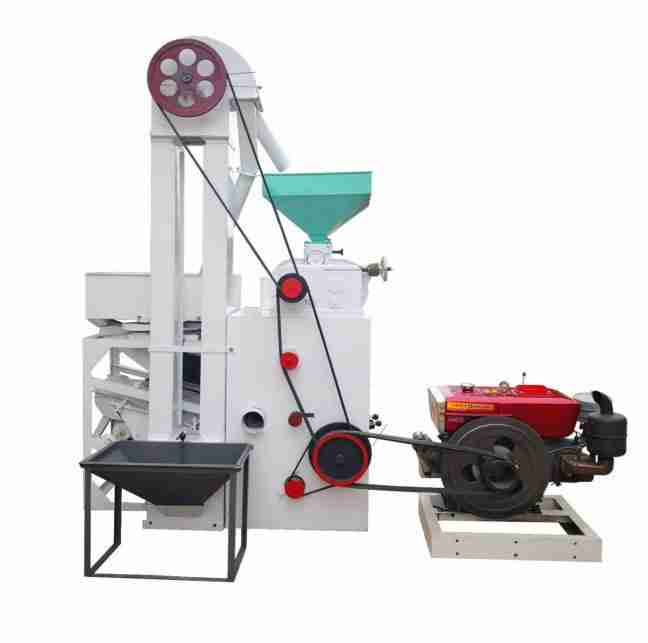
Understanding the Benefits of Mini Rice Milling Machines for Farmers
Mini rice milling machines are transforming the landscape of small-scale farming by providing a host of advantages tailored for farmers who seek efficiency and cost-effectiveness. One significant benefit is the ability to reduce labor costs. By automating the milling process, farmers can minimize the manpower needed for rice processing, allowing them to redirect their labor resources towards other critical farming activities. This technology not only saves time but also enables farmers to focus on enhancing productivity and crop management strategies.
Furthermore, the compact nature of these machines is ideal for small farms with limited space. Given their size, mini rice milling machines can easily fit into existing farm infrastructure, making them an efficient choice without the need for extensive modifications. Key advantages include:
- Lower capital investment compared to larger machinery
- Energy-efficient operations, reducing ongoing costs
- Enhanced control over the milling process, leading to higher quality output
By providing immediate access to freshly milled rice, these machines also empower farmers to engage in local markets more effectively, promoting self-sufficiency and economic resilience.
Sustainable Practices and Economic Growth through Local Milling
Embracing local milling not only enhances the efficiency of small-scale farming but also cultivates a sustainable economic environment within rural communities. By utilizing mini rice milling machines, farmers can transform their harvested grains directly on-site, which reduces the dependency on transportation and promotes immediate consumption of locally produced rice. This practice decreases carbon footprints while stimulating local businesses, as farmers can generate additional income through milling services for their neighbors. As these machines require less energy and produce less waste compared to larger, industrial mills, they reinforce the circular economy by ensuring that profits remain within the community.
Moreover, the implementation of localized milling fosters a sense of ownership and pride among farmers. It encourages them to adopt eco-friendly practices such as using organic farming methods and crop rotation, further enhancing soil quality and crop resilience. Additionally, these milling operations can be integrated with local cooperatives to provide shared resources and training, nurturing a collaborative community ethos. The impact goes beyond farming; it equips local economies with the infrastructure needed to thrive. The table below illustrates the potential benefits derived from the adoption of mini rice milling machines:
| Benefit | Description |
|---|---|
| Local Employment | Creates job opportunities for mill operators and support staff. |
| Reduced Waste | Minimizes the transportation of paddy rice, decreasing spoilage. |
| Increased Profitability | Farmers can retain more profits by processing their own crops. |
| Community Resilience | Strengthens local food systems and reduces reliance on external markets. |
Recommendations for Selecting and Implementing Mini Rice Milling Solutions
Choosing the right mini rice milling solution for your small-scale farming operation is crucial to enhancing productivity and ensuring high-quality output. Start by considering the capacity of the machine to align with your processing needs. A milling solution that processes a suitable quantity of rice per hour will minimize labor and time commitments, allowing you to focus on other aspects of farming. Additionally, check for energy efficiency since machines that consume less energy can significantly reduce operational costs. It’s wise to look for models that offer multi-functionality; machines that can perform cleaning, hulling, and milling can streamline your processes and eliminate the need for multiple machines.
Before making a purchase, conduct thorough market research to compare different brands and models. Look for feedback from other farmers who have used the equipment and consider reaching out to manufacturers for demonstrations. Financial investment in a mini rice milling machine is significant; hence, verify the warranty and after-sales support they provide to ensure you have assistance when needed. Gather information on the availability of spare parts in your locality, as this will impact your machine’s longevity and maintenance. committing to these recommendations will help you select and implement a mini rice milling solution that not only meets your operational needs but also fosters sustainable growth for your small-scale farming enterprise.
The Way Forward
the mini rice milling machine stands as a testament to the power of innovation in small-scale farming. By bridging the gap between traditional farming practices and modern technology, it offers a viable solution for farmers seeking to enhance productivity and income while maintaining sustainability. As we look to the future, the integration of such machinery not only promises to uplift the livelihoods of countless farmers but also ensures food security in an ever-evolving global landscape. Embracing these advancements may very well be the key to unlocking a new era of agricultural efficiency, where every grain counts, and every farmer thrives. Whether you are a seasoned farmer or an aspiring entrepreneur, the potential of the mini rice milling machine invites us all to reimagine what’s possible in the world of small-scale farming.




