
In a world where food security is becoming increasingly paramount, the agricultural landscape is evolving to meet the demands of a growing population. Among the staple crops that nourish billions, rice holds a significant position, underpinning the diets of countless communities across Asia, Africa, and beyond. As the challenges of traditional farming methods intensify—ranging from labor shortages to climate change—innovative solutions are emerging from unexpected quarters. Enter the mini rice mill: a breakthrough technology that is set to revolutionize rice production. This article explores how these compact, efficient milling systems are not only transforming the way rice is processed but also empowering smallholder farmers, fostering local economies, and contributing to a more sustainable agricultural future. Join us as we delve into the rise of mini rice mills and uncover the potential they hold for reshaping rice production on a global scale.
The Transformation of Traditional Farming: Embracing Mini Rice Mills
In recent years, traditional farming practices have been undergoing a significant transformation as farmers increasingly turn to mini rice mills for their processing needs. These compact machines offer a plethora of advantages, enabling local producers to efficiently mill rice on-site. This not only reduces dependency on large, centralized mills but also allows farmers to retain a greater share of the profits from their harvests. As a result, mini rice mills have become a groundbreaking solution, offering the flexibility and speed needed to meet market demands without compromising quality.
The impact of mini rice mills extends beyond just increased efficiency; they also promote sustainability in agriculture. By using these smaller-scale mills, farmers can embrace environmentally friendly practices such as reducing transportation emissions and minimizing post-harvest losses. Key benefits of adopting mini rice mills include:
- Cost-effectiveness: Lower operational costs compared to larger mills.
- Local employment: Generation of job opportunities within the community.
- Quality control: Enhanced oversight over the milling process ensures superior product standards.
| Advantages of Mini Rice Mills | Description |
|---|---|
| Accessibility | Available to small-scale farmers for immediate use. |
| Energy Efficiency | Optimized for low power consumption while maximizing output. |
| Flexibility | Can process various rice varieties and customize milling according to preferences. |
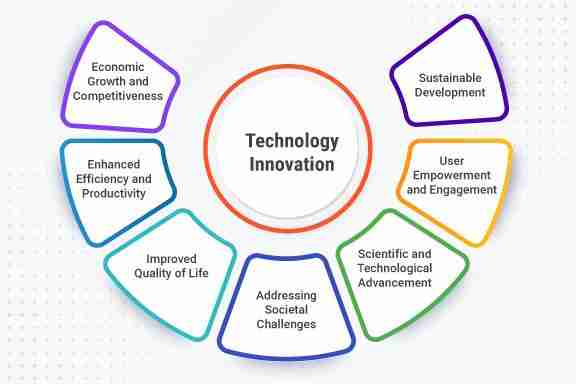
Innovative Technologies Shaping the Future of Rice Processing
As the demand for rice continues to grow alongside the global population, innovative technologies are stepping in to enhance the efficiency and effectiveness of rice processing. Mini rice mills are at the forefront of this revolution, allowing farmers to transform raw paddy into market-ready rice with minimal effort. These compact machines not only save space but also reduce labor costs and traditional processing times. By adopting advanced technologies such as automated husking, polishing mechanisms, and energy-efficient designs, these mini mills are reshaping how rice is processed in rural areas, making it more accessible and sustainable.
Moreover, the integration of smart technology into mini rice mills is paving the way for precision agriculture. Features such as real-time monitoring of grain quality and moisture levels allow producers to optimize their processes significantly. The benefits of these systems can be categorized into a few key areas:
- Cost Efficiency: Reduced operational expenses through automated processes.
- Quality Control: Enhanced grain quality due to precise processing parameters.
- Accessibility: Small scale operations empower local farmers by enabling them to process their own rice.
In addition, advancements in data analytics are further empowering rice mill operators to make informed decisions. The combination of historical data, market insights, and processing feedback can lead to optimized supply chains and better market positioning.

Enhancing Local Economies: Empowering Farmers with Mini Mills
Empowering farmers through the introduction of mini mills is not just about enhancing productivity; it’s a transformative approach that fosters economic independence and sustainability. These compact mills allow local farmers to process their rice right where it’s grown, significantly reducing transportation costs and time. As a result, farmers can maximize their profits, reinvest in their communities, and create self-sustaining ecosystems. The benefits extend beyond the field; local economies thrive as money circulates within the community rather than being funneled into distant milling operations.
Furthermore, the shift towards mini mills encourages the development of collaborative networks among farmers, promoting knowledge sharing, resource pooling, and cooperative marketing strategies. This newfound sense of community leads to innovative solutions tailored to local needs, enhancing resilience against market fluctuations. The ripple effect is profound, leading to increased job opportunities, improved food security, and a strengthened market for local products. Key advantages of this revolution include:
- Decreased processing costs
- Improved product quality
- Enhanced local food systems
- Stronger community relationships
Sustainability in Focus: Reducing Waste and Improving Quality in Rice Production
The advent of mini rice mills marks a significant milestone in the journey towards sustainable rice production. These innovative facilities are designed to operate on a smaller scale, which not only reduces the carbon footprint associated with large industrial mills but also enhances local economies by empowering farmers. By utilizing eco-friendly technologies and promoting efficient resource management, mini rice mills are instrumental in minimizing waste during the milling process. The localized production enables farmers to process their rice shortly after harvest, leading to improved quality and reduced post-harvest losses. the focus on small-scale operations creates a positive ripple effect throughout the community, fostering an environment of collaboration and sustainable growth.
In addition to processing benefits, mini rice mills also play a crucial role in enhancing the overall quality of rice. With the ability to control the milling process closely, operators can adjust settings to preserve the nutrients and flavor of the rice, resulting in a superior product. Key advantages include:
- Reduced Waste: By minimizing the by-products in the milling process, waste is significantly decreased.
- Quality Control: Enhanced oversight allows for custom milling tailored to regional preferences.
- Market Access: Localized production supports smallholder farmers in reaching markets more competitively.
As part of the sustainability efforts, it’s vital to also highlight a comparative overview of traditional versus mini rice mills:
| Feature | Traditional Mills | Mini Rice Mills |
|---|---|---|
| Scale of Operations | Large | Small |
| Energy Consumption | High | Low |
| Post-Harvest Losses | Higher | Lower |
| Quality | Variable | Consistent |
To Conclude
As we stand at the crossroads of agricultural innovation and sustainability, mini rice mills emerge as a beacon of hope for rice production worldwide. Their rise signifies not only a technological advancement but also a pivotal shift in empowering local farmers, enhancing efficiency, and meeting the growing demands of a global population. By embracing these compact yet powerful machines, we are witnessing a transformation that fosters food security and supports rural economies.
The journey of revolutionizing rice production is still unfolding, and the potential for further breakthroughs holds promise for future generations. As we reflect on this shift, it’s essential to recognize the intertwined narratives of tradition and modernity, where the heart of agriculture beats alongside innovation. Mini rice mills represent more than just machinery; they symbolize a movement towards a more sustainable and equitable food system.
In this ever-evolving landscape, one thing remains clear: the future of rice production not only lies in the hands of technology but also in our collective commitment to nurturing the earth and its communities. As we continue to explore the possibilities that lie ahead, let us cultivate a vision where farmers thrive, communities flourish, and rice, as a staple, remains a cornerstone of our diets, culture, and resilience.




