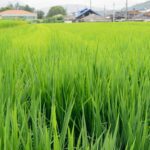
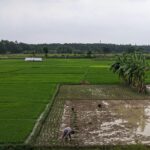
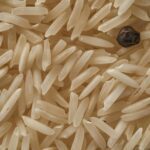
In the heart of bustling rural communities around the globe, rice stands as a cherished staple, nourishing millions and weaving itself into the very fabric of culinary tradition. Yet, despite its significance, the journey from field to table often presents formidable challenges for small-scale farmers, who find themselves at the mercy of outdated processing methods and fluctuating market demands. Enter the mini rice mill—a game-changing innovation poised to transform the landscape of rice production. Compact, efficient, and remarkably cost-effective, these cutting-edge mills hold the promise of empowering farmers, enhancing food security, and fostering enduring agricultural practices. In this article, we delve into the revolutionary potential of mini rice mills, exploring how they can not only elevate the livelihoods of rural farmers but also reshape the future of rice production in an ever-evolving world.
Empowering Farmers through Accessible Mini Rice Mills
In a world where agricultural advancements can make or break the livelihood of millions, the introduction of mini rice mills presents a transformative chance for farmers. These compact and efficient machines are designed to be easily operated by local farmers, enabling them to process their rice right at the source. With features that include lightweight construction and low energy consumption, they stand as a beacon of potential for smallholder farmers, allowing them to reduce dependence on larger milling infrastructures. By minimizing transportation costs and time delays, these mini mills empower farmers to retain a larger portion of their profits.
The benefits extend beyond mere convenience; they aim to elevate the entire agricultural ecosystem. Consider the following advantages:
- Increased Income: Farmers can sell their freshly milled rice at competitive prices, increasing their profit margins.
- Quality Control: By milling their own rice, farmers ensure superior quality and freshness, enhancing customer satisfaction.
- Job Creation: The introduction of mini mills in local communities generates employment opportunities, fostering economic growth.
- Sustainability: These mills utilize eco-friendly energy sources, reducing the environmental impact associated with conventional milling processes.
| feature | Benefit |
|---|---|
| Portability | Can be easily moved to different locations, catering to various farming communities. |
| Low Maintenance | Designed for durability, minimizing repair costs and downtime. |
| User-Friendly | Simple operation allows farmers of all backgrounds to utilize them effectively. |

Enhancing Efficiency: The Technological advancements in Mini Milling
Recent innovations in mini milling technology have led to significant enhancements in operational efficiency and productivity. By incorporating smart sensors and automated controls, modern mini rice mills now boast real-time monitoring capabilities that allow mill operators to optimize every facet of the milling process. These advancements enable precise adjustments to be made on-the-fly, ensuring minimal waste and maximum yield. Moreover, energy-efficient designs and upgraded machinery not only save costs but also reduce the environmental impact of rice production, aligning with global sustainability goals.
The integration of digital platforms has further streamlined operations, providing users with valuable data analytics that empower better decision-making. For instance, mill owners can track metrics such as grain moisture levels and milling efficiency through user-friendly dashboards, facilitating swift responses to any anomalies. Additionally, the ease of maintenance offered by modular components means that downtime is dramatically reduced, ensuring that production remains uninterrupted.These technological strides symbolize a turning point in rice milling, transforming traditional practices into a more productive and profit-centric approach.
Sustainability in Rice Production: eco-Friendly Practices and Benefits
incorporating eco-friendly practices into rice production is vital for sustaining both the surroundings and communities. Mini rice mills offer a transformative approach to rice processing that significantly reduces energy consumption and waste production. By utilizing efficient machines that consume less fuel, small-scale millers can operate sustainably, thus minimizing their carbon footprints. Key benefits include:
- Reduced Water Usage: Innovative milling techniques require less water,preserving this vital resource.
- Lower Chemical Inputs: These mills often encourage organic farming methods,leading to fewer pesticides and fertilizers.
- Waste Recycling: The by-products from milling can be repurposed, converting husks into biofuel or animal feed.
The economic advantages of adopting mini rice mills are equally compelling. Not only do they enhance local economies by enabling smallholders to process their rice, but they also empower farmers with greater control over production and pricing. Furthermore, small milling operations foster community engagement and improve food security. Here’s a brief overview of some essential benefits:
| Key Benefit | Description |
|---|---|
| Higher Quality Output | Mini mills provide precision milling, enhancing the quality of rice. |
| Local Job Creation | Establishing mini mills creates employment opportunities within the community. |
| Improved Economic Viability | Direct access to milling helps farmers gain better market prices. |
Unlocking local Economies: The Socioeconomic Impact of Mini Rice Mills
The implementation of mini rice mills has ushered in a transformative era for rural economies, revitalizing local agricultural practices and empowering farmers. By reducing the dependency on traditional milling units often located in urban areas, these compact facilities enable farmers to process their harvest on-site, leading to significant time and cost savings. Moreover, mini rice mills create a host of ancillary benefits that engage the entire community:
- Job Creation: local operations generate employment opportunities for both skilled and unskilled labor, contributing to a skilled workforce.
- Increased Income: Direct access to milling facilities allows farmers to maximize profits from their produce, enhancing household incomes.
- Value Addition: Farmers can produce value-added products, such as rice flour and bran oil, opening new revenue streams.
- Enhanced Food Security: Increased local milling capacity leads to better availability of processed rice, promoting nutrition within communities.
Beyond individual benefits,the collective socioeconomic impact fosters a robust agricultural ecosystem. By enhancing market access, mini rice mills facilitate farmers’ connection to larger supply chains, ultimately improving bargaining power and reducing post-harvest losses.The establishment of these facilities often leads to:
| Impact Area | Positive Outcomes |
|---|---|
| Community Engagement | Strengthened relationships among farmers and local businesses |
| Environmental sustainability | Reduction in waste through efficient processing and reuse of by-products |
| Innovation | Encouragement of local entrepreneurship and technological advancements |
the integration of mini rice mills in rural settings not only amplifies the efficiency of rice production but also nurtures holistic economic growth that benefits entire communities.
To Conclude
mini rice mills are emerging as a game-changer in the realm of agriculture, notably in rice production. by making the milling process more accessible and efficient, these innovative machines are not just enhancing productivity but are also empowering local farmers to take charge of their own supply chains. The journey from field to table is becoming shorter and more sustainable, paving the way for a future where quality rice can be produced at lower costs and with greater ecological duty. As we embrace these advancements, we move towards a landscape where rice farming is not only more profitable but also more resilient to the challenges of the modern world. The power of mini rice mills is set to transform the agricultural sector, and with it, the lives of countless communities reliant on this staple crop. As we look ahead, the integration of technology and tradition in rice production may well define the future of food security, ensuring that this essential grain continues to nourish generations to come.