
In the heart of agriculture, where tradition meets innovation, rice production stands as a testament to humanity’s enduring relationship with the land. As one of the world’s most vital staple crops, rice nourishes billions and fuels economies. Yet, the systems in place for processing this essential grain often lag behind the demands of modern farming and consumption. Enter the Compact Mini Mill—a groundbreaking solution poised to revolutionize the rice milling industry. This innovative technology not only promises efficiency and sustainability but also empowers smallholder farmers and elevates local economies. In this article, we will explore how the Compact Mini Mill is reshaping the landscape of rice production, heralding a new era that embraces both progress and tradition. Prepare to discover the intricacies of this transformative approach and its potential to redefine the future of one of the world’s most beloved grains.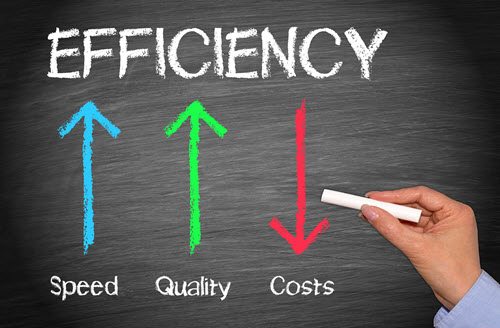
Enhancing Efficiency Through Compact Mini Mills
The implementation of compact mini mills has set a new standard in rice production, allowing producers to optimize their operations and minimize waste. These innovative mills are designed to be space-efficient while providing an array of advanced functionalities. By utilizing cutting-edge technology, they maximize throughput and reduce processing times, transforming the conventional rice milling process into a more agile and responsive system. This enhanced performance makes them ideal for small to medium-sized farms that are looking to scale their output without hefty investments in larger machinery.
One of the standout features of compact mini mills is their ability to operate in various settings, ranging from remote rural areas to established agricultural hubs. By employing a user-friendly interface and requiring less technical knowledge to operate, they empower local farmers to take control of their production. Key benefits include:
- Lower Operating Costs: Reduced energy consumption means significant savings.
- Higher Quality Output: Improved milling techniques retain nutrients and enhance grain quality.
- Reduced Waste: Efficient processing minimizes by-products and guarantees better resource utilization.
To provide a clearer comparison, the following table outlines key specifications of traditional mills versus compact mini mills:
| Features | Traditional Mills | Compact Mini Mills |
|---|---|---|
| Space Requirement | Large footprint | Compact design |
| Energy Efficiency | Higher consumption | Lower consumption |
| Ease of Use | Requires skilled labor | User-friendly |

Sustainable Practices for Eco-Friendly Rice Production
One of the key components to achieving eco-friendly rice production lies in the adoption of integrated farming systems. By combining rice cultivation with fish farming, for example, farmers can create a symbiotic environment where rice plants benefit from fish waste, which serves as a natural fertilizer. This approach minimizes the need for chemical inputs and enhances biodiversity within the ecosystem. Key benefits include:
- Improved Soil Health: Natural nutrients from aquatic systems enrich the soil.
- Enhanced Water Management: Controlled irrigation minimizes water wastage.
- Biodiversity Promotion: Species coexistence supports natural pest control.
Another innovative practice is the implementation of precision agriculture techniques. Utilizing technology such as satellite imagery and soil sensors allows farmers to monitor crop health and soil conditions in real-time. This data-driven approach helps optimize resource usage, reducing the reliance on fertilizers and pesticides. The advantages of precision agriculture include:
| Advantage | Description |
|---|---|
| Resource Efficiency | Targeted applications save inputs and reduce costs. |
| Yield Optimization | Data insights improve decision-making for better outcomes. |
| Environmental Preservation | Less chemical runoff helps preserve surrounding ecosystems. |
Maximizing Yield: Techniques to Optimize Mini Mill Usage
To fully harness the potential of compact mini mills, producers must incorporate a range of innovative techniques into their operations. Adapting to a proactive maintenance schedule ensures optimal function, significantly reducing downtime and prolonging the mill’s lifespan. Additionally, training staff on proper milling techniques and grain handling can minimize waste and enhance the quality of the finished product. Key techniques include:
- Regular Calibration: Ensuring the machines are correctly calibrated can greatly enhance output quality.
- Grain Quality Assessment: Using only high-quality, well-dried rice can directly impact milling efficiency.
- Optimal Milling Speed: Finding the balance in speed can lead to better yield without compromising grain integrity.
Furthermore, integrating technology into the mini mill operation can streamline processes and improve yield. Employing automated monitoring systems can provide real-time feedback on performance metrics, allowing for quick adjustments. Exploring the use of energy-efficient machines not only reduces costs but can also enhance production rates. Consider the following benefits of these advancements:
| Technique | Benefit |
|---|---|
| Automated Monitoring | Real-time performance feedback |
| Energy-efficient Machines | Lower operational costs |
| Data-Driven Decisions | Optimize processes for better yield |
Empowering Small Farmers with Innovative Milling Solutions
In a world increasingly reliant on sustainable practices, small farmers are discovering the transformative potential of compact milling solutions. These innovative mini mills allow farmers to process their own rice from paddy to polished grain efficiently, helping to reduce dependence on distant milling services. With features tailored for small-scale operations, these machines enhance productivity while preserving the natural quality of the grain. Key benefits include:
- Affordability: Lower upfront costs make milling accessible.
- Time Efficiency: Farmers can mill rice on-demand, eliminating long wait times.
- Freshness: On-site milling ensures maximum freshness and flavor.
- Self-sufficiency: Farmers gain control over their product, improving market potential.
To illustrate the impact of these compact solutions, a recent study highlighted their role in increasing local income levels. By milling their own rice, farmers can sell directly to consumers, enhancing profit margins. The table below showcases the economic benefits observed in two distinct farming communities utilizing this technology:
| Community | Before Mini Mill | After Mini Mill |
|---|---|---|
| Rural Valley | Average income: $1,500 | Average income: $2,200 |
| Green Fields | Average income: $1,200 | Average income: $1,850 |
This data encapsulates how small farmers are not just surviving but thriving, thanks to innovative milling technologies, which offer them the tools needed to succeed in an ever-competitive agricultural landscape.
Closing Remarks
As we stand on the brink of a new era in agricultural innovation, the implications of the Compact Mini Mill solution extend far beyond mere efficiency in rice production. This revolutionary approach not only promises to elevate the livelihoods of farmers but also champions sustainability and resilience in an ever-changing climate. By marrying cutting-edge technology with traditional practices, we can unlock the potential for smallholder farmers to thrive in a competitive global market. The future of rice production is not just about quantity; it is a movement towards quality, empowerment, and sustainable food systems.
As we reflect on the journey ahead, it becomes clear that embracing these advancements is not merely an option but a necessity for fostering food security and economic growth. Let us continue to explore, adapt, and innovate, ensuring that the benefits of the Compact Mini Mill ripple through communities, nourishing bodies, and cultivating hope for generations to come. The revolution in rice production is here, and it invites all of us to be part of its unfolding story.




