
In a world increasingly focused on sustainability and innovation, the agricultural sector stands at the forefront of technological advancement. Among the many crops that sustain our global population, rice remains a staple that nourishes billions. However, traditional milling practices can be both labor-intensive and resource-heavy, raising concerns about efficiency and environmental impact. Enter the mini rice mill—a cutting-edge solution poised to revolutionize the way we process this vital grain. Compact, efficient, and designed for adaptability, these mini mills are transforming small-scale farming operations and bringing high-quality rice processing capabilities to rural communities. In this article, we will explore how the mini rice mill is not just a tool for production, but a catalyst for change in the agricultural landscape, promoting economic empowerment and sustainability in the quest for food security.
The Rise of Mini Rice Mills: A Game Changer for Small Farmers
The advent of mini rice mills has transformed the agricultural landscape, particularly for small farmers striving to maximize their productivity. These compact and efficient machines allow farmers to process their grains locally, drastically reducing the costs associated with transporting crops to larger mills. With features such as user-friendly interfaces and low maintenance requirements, these mills empower farmers by putting them directly in control of their produce. This localization of grain processing not only enhances the quality of the rice but also ensures that farmers receive fairer prices for their products, fostering a more sustainable farming ecosystem.
Moreover, the economic impact of mini rice mills extends beyond individual farmers to the wider community. By encouraging local processing, these mills help create jobs, stimulate local economies, and enhance food security. Some of the key benefits include:
- Increased profitability: Farmers can sell processed rice at higher market prices.
- Reduced wastage: Local processing minimizes the risk of spoilage during transport.
- Stronger community ties: Local rice mills can serve as hubs for knowledge sharing and collaboration among farmers.
The benefits can clearly be seen in a comparative analysis of traditional vs. mini rice mill operations:
| Aspect | Traditional Rice Mill | mini rice mill |
|---|---|---|
| Location | Often distant from farms | On-site, local processing |
| Cost | High transport and processing fees | Lower operational costs |
| Quality Control | Less direct control by farmers | Farmers oversee their product |
| Community Impact | Limited job creation | Boosts local employment |
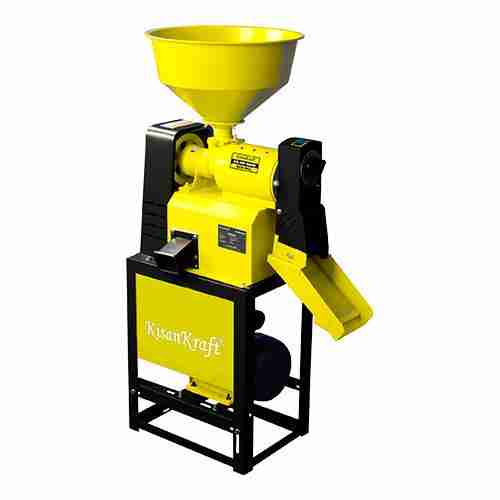
Unlocking Efficiency: How Mini Rice Mills Enhance Productivity
In a world where time is of the essence, the introduction of mini rice mills has transformed the landscape of rice processing, bridging the gap between traditional methods and modern agricultural practices. These compact machines are designed to significantly reduce processing time while maintaining the quality of rice. With their user-friendly operation and efficiency, they cater to both small-scale farmers and larger agricultural enterprises, offering a versatile solution to an age-old challenge. Here are some ways in which mini rice mills boost productivity:
- Time-Saving: Traditional milling processes can be labor-intensive and time-consuming. Mini rice mills streamline this process, allowing for quicker turnaround from grain to market-ready product.
- Cost-Effective: Reduced operational costs due to lower energy requirements and minimal maintenance needs make these mills an economical investment for farmers.
- Quality Preservation: Advanced milling technology helps in preserving the nutritional value and taste of rice, ensuring that the end product is of high quality.
- Flexibility: The portability of mini rice mills allows farmers to mill on-site, eliminating transportation costs and potential spoilage.
Moreover, the versatile design of mini rice mills means they can accommodate various types of grains, making them an essential asset in diverse agricultural settings. As a result, these machines have revolutionized productivity in rural areas, providing farmers with greater control over their products and promoting food security. Below is a concise comparison of traditional mills versus mini rice mills:
| Feature | Traditional Mills | Mini Rice Mills |
|---|---|---|
| Processing Time | High | Low |
| Energy Consumption | High | Low |
| Quality Control | Affected by multiple handling | Consistent |
| Mobility | Fixed locations | Portable |

Sustainability in Grains: Embracing Eco-Friendly Milling Practices
With the rising demand for sustainable agriculture, embracing eco-friendly milling practices is essential for both producers and consumers. The innovative mini rice mill stands out as a leading solution, integrating energy-efficient technologies with a minimal environmental footprint. These mills utilize renewable energy sources and cutting-edge machinery that reduces waste and enhances productivity. By implementing such systems, farmers can not only preserve the integrity of their grains but also significantly decrease their carbon emissions.
Moreover, the adoption of sustainable practices in grain milling promotes local economies by facilitating smallholder farmers to process their harvest on-site, thus ensuring freshness and quality. Key benefits of this approach include:
- Reduction in transportation emissions – By milling grains at their source, the need for long-distance shipping is minimized.
- Better quality control – Local milling ensures that grains retain their nutrients and flavors.
- Empowerment of communities – Small-scale operations create jobs and foster economic independence.
Implementing these eco-friendly practices can result in a reduced ecological impact while simultaneously enhancing food security. A quick comparison of traditional versus mini rice mills illustrates this shift:
| Feature | Traditional Mills | Mini Rice Mills |
|---|---|---|
| Energy Consumption | High | Low |
| Waste Production | High | Minimized |
| Community Involvement | Limited | Strong |
Future Prospects: Expanding the mini rice mill Market Beyond Traditional Boundaries
The mini rice mill market is poised for significant transformation as it begins to embrace a plethora of opportunities beyond its traditional confines. Innovative advancements in technology are paving the way for these mills to enter diverse markets, effectively democratizing access to rice milling services. By integrating features such as automated processing, enhanced scalability, and eco-friendly operations, these mills are not only appealing to small-scale farmers but also catching the attention of urban entrepreneurs. This shift could lead to the following exciting avenues:
- Urban Farming Initiatives: Mini rice mills can play a critical role in urban agricultural practices, allowing city dwellers to grow their own rice and mill it on-site.
- Export Opportunities: Newer, high-quality milling technologies could facilitate export to global markets, increasing revenue streams for local producers.
- Custom Milling Services: Offering tailored services for specific rice varieties can create niche markets and enhance customer satisfaction.
Moreover, partnerships with NGOs and government agencies can expand the reach of mini rice mills into underdeveloped regions. By providing affordable financing solutions and training programs, stakeholders can empower communities, resulting in sustainable agricultural practices and improved livelihoods. A strategic approach involving the following elements stands to strengthen these initiatives:
| Element | Description |
|---|---|
| Awareness Campaigns | Educating communities about the benefits of mini rice mills and their potential agricultural impact. |
| Microfinancing Solutions | Offering low-interest loans for purchasing mini rice mills to smallholder farmers. |
| Tech Support & Training | Providing ongoing technical support and training to ensure optimal use of milling technology. |
Wrapping Up
the emergence of mini rice mills marks a pivotal shift in the agricultural landscape, merging tradition with modern technology in a bold new approach to grain processing. By empowering local farmers with efficient, cost-effective milling solutions, we are not only enhancing food security but also fostering sustainable practices that can withstand the pressures of a rapidly changing world. As we look to the future, the potential of mini rice mills to transform communities, economies, and even our culinary experiences is immense. This grassroots movement may very well be the key to ushering in an era of innovation and resilience in the grain industry. The journey of revolutionizing grains has only just begun, and it invites us all to be part of its unfolding story.




