
In a world increasingly driven by the quest for efficiency and sustainability, the humble grain has emerged as a focal point for innovation. Rice, a staple food for billions, finds itself at the crossroads of modern agriculture and technology, as mini rice milling machines usher in a transformative era for farmers and consumers alike. These compact powerhouses are not just reshaping the way rice is processed; they are also redefining access to quality food, reducing waste, and empowering smallholder farmers. In this article, we explore how these cutting-edge machines are revolutionizing grain milling, offering a glimpse into the future of food production where tradition meets technology for the betterment of society and the planet.
Transforming Small-Scale Farming with Mini Rice Milling Machines
Mini rice milling machines are game changers for small-scale farmers, transforming the traditional milling process into something more efficient and accessible. These compact devices allow farmers to process their own rice at a fraction of the time and cost compared to larger, commercial milling facilities. By establishing control over their milling, farmers enjoy greater independence and the ability to produce high-quality rice that meets market demand. This leads to improved income stability, as they can sell both milled and unmilled rice at competitive prices.
The benefits extend beyond mere convenience; these machines also promote sustainable agricultural practices. Farmers can follow best practices in rice processing, which helps reduce post-harvest losses and enhances overall grain quality. Additionally, the operation of these machines often requires minimal training, making it accessible to a wider range of users. Key advantages include:
- Cost-Effectiveness: Lower initial investment and operational costs
- Time Efficiency: Quick milling process for faster turnaround
- Quality Control: Ability to produce rice tailored to specific market demands
- Flexibility: Can be used in various locations, reducing transportation expenses
Unlocking the Nutritional Potential: How Milling Fresh Rice Elevates Quality
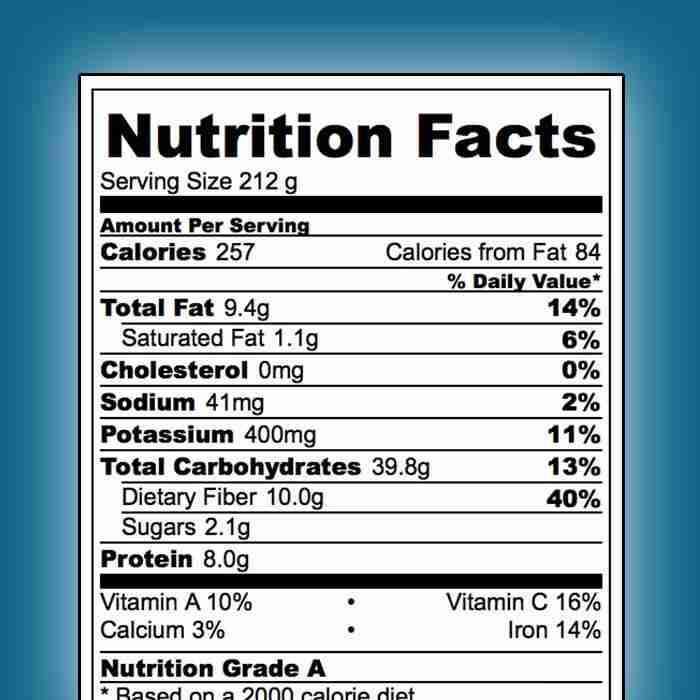
Milling fresh rice is a transformative process that significantly enhances the grain’s nutritional profile. Unlike mass-produced rice that may lose essential nutrients during storage and processing, freshly milled rice retains vital minerals and vitamins that contribute to a well-balanced diet. By utilizing mini rice milling machines, both farmers and small-scale entrepreneurs can ensure the preservation of these nutrients, offering a healthier alternative to conventional grains. Key benefits include:
- Increased Nutrient Retention: Freshly milled rice preserves up to 90% of its natural nutrients.
- Enhanced Flavor: Milling rice on-demand enhances its taste, providing a distinct flavor that is often lost in commercial varieties.
- Custom Grain Sizes: Mini milling machines allow for the production of rice in various textures suitable for different culinary applications.
Moreover, the milling process not only elevates quality but also promotes sustainability within local economies. By milling rice on-site, communities can significantly reduce transportation emissions, leading to a smaller carbon footprint. This local approach fosters direct relationships between farmers and consumers, ensuring fresher products. A comparative overview of processed versus freshly milled rice highlights this distinction:
| Aspect | Processed Rice | Freshly Milled Rice |
|---|---|---|
| Nutritional Value | Varies, some loss | High, retains nutrients |
| Flavor Profile | Generic | Distinctive and rich |
| Environmental Impact | Higher emissions | Reduced emissions |
By harnessing the power of mini rice milling machines, both the culinary and nutritional aspects of rice are greatly amplified, paving the way for a new era of grain consumption that prioritizes health and sustainability.

Efficiency and Sustainability: The Economic Advantages of Mini Milling
The advent of mini milling technology has opened up a pathway toward more efficient grain processing, offering a wide array of economic benefits. By streamlining operations, mini rice milling machines significantly reduce production costs through lower energy consumption and minimal maintenance needs. These machines often utilize innovative features that enhance output while using fewer resources, making them an economically viable option for small farmers and cooperative mills. The compact size of mini milling machines also allows for better spatial management, reducing overhead costs associated with larger-scale operations.
Furthermore, the sustainability aspect of mini milling aligns perfectly with modern agricultural practices that prioritize environmental stewardship. Economic advantages arise from the ability to process grains closer to where they are harvested, minimizing transportation costs and carbon emissions. As these machines are designed to minimize waste, they contribute to a more sustainable production cycle by maximizing the grain yield and ensuring that by-products can be repurposed or utilized effectively. The result is a ripple effect that not only benefits individual farmers but also strengthens local economies and contributes to a more resilient agricultural framework.
Empowering Local Economies: Strategies for Integrating Mini Rice Mills into Communities
Integrating mini rice mills into local communities presents a transformative opportunity for economic empowerment. By cultivating an ecosystem around these compact milling machines, communities can drastically enhance the value of their agricultural outputs. These mills not only offer a solution to the post-harvest losses that many smallholder farmers face but also create local employment opportunities. This can lead to the establishment of micro-enterprises that support ancillary activities such as packaging, distribution, and retailing, forming a robust local agri-business network.
To effectively implement mini rice mills in communities, several strategies can be employed:
- Training Programs: Organizing workshops to educate farmers about the milling process, operation, and maintenance of the machines.
- Cooperative Models: Encouraging the formation of cooperatives that can collectively invest in a mini rice mill, ensuring fair access and cost-sharing.
- Partnerships: Collaborating with NGOs and government bodies for funding and technical support.
- Market Access: Developing marketing strategies to connect local products with broader markets, enhancing the revenue potential for small-scale farmers.
A study comparing traditional milling practices with mini rice milling machines illustrates the economic upliftment that can be achieved:
| Aspect | Traditional Milling | Mini Rice Milling |
|---|---|---|
| Processing Time | Several hours | 30 minutes |
| Cost per Kilogram | $0.10 | $0.05 |
| Quality of Rice | Variable | Consistent |
| Employment Generation | 1-2 Jobs | 5-10 Jobs |
These advantages underline the potential of mini rice mills to not only streamline operations but also create a ripple effect of economic growth within communities. By harnessing local resources, knowledge, and labor, these initiatives can effectively elevate living standards while bolstering the agricultural sector.
Key Takeaways
the advent of mini rice milling machines has heralded a new era in grain processing that transcends traditional methods. These compact powerhouses not only enhance efficiency and reduce operational costs but also empower local farmers and small-scale producers by providing access to improved milling technology. As we stand at the intersection of innovation and sustainability, the shift towards these modern milling solutions has the potential to reshape the landscape of agricultural production, ensuring that the fruits of the harvest are maximized and made more accessible to all. By embracing this transformation, we not only celebrate the grains that feed our communities but also take a significant step toward a more resilient and equitable food system for generations to come. The journey of revolutionizing grains has just begun, and the future looks promising.




