
In a world increasingly defined by innovation and efficiency, the agricultural sector stands on the brink of a transformative breakthrough. Introducing a wave of change, the mini rice milling machine is set to revolutionize grain processing, making it more accessible, sustainable, and efficient than ever before. As communities strive for food security and economic resilience, this compact powerhouse promises to streamline rice milling operations, empowering smallholder farmers and contributing to local economies. In this article, we will explore the features and benefits of this remarkable machine, examine its potential impact on the rice industry, and discuss how it may reshape the future of grain production globally. Join us as we delve into the intricacies of this game-changing innovation and its promise to elevate our relationship with one of the world’s most vital staple foods.
Transforming Traditional Processes with Advanced Technology
The introduction of advanced technology into the agricultural sector has ignited a new era of efficiency and productivity. With the mini rice milling machine, traditional grain milling practices are being redefined, offering farmers and small-scale producers a chance to enhance their operations significantly. This innovative machine is designed to simplify the milling process, reducing the time and labor traditionally needed. Farmers can now experience improvements like:
- Compact Design: Its small footprint makes it ideal for farmers with limited space.
- Ease of Use: User-friendly controls enable anyone, regardless of experience, to operate the machine effectively.
- Energy Efficiency: The machine consumes less power than conventional milling equipment, significantly lowering operational costs.
- High Milling Yield: Optimized processing minimizes grain loss, maximizing the profitability of the harvest.
Moreover, the integration of technology into grain processing allows for real-time monitoring and adjustments, ensuring consistent quality. This adaptability not only improves output but also supports sustainable practices by minimizing waste. To showcase its advantages, consider the following comparative table highlighting traditional versus modern milling methods:
| Feature | Traditional Milling | Mini Rice Milling Machine |
|---|---|---|
| Space Requirement | Large | Compact |
| Labor Intensity | High | Low |
| Energy Consumption | High | Low |
| Milling Yield | Variable | Consistent |
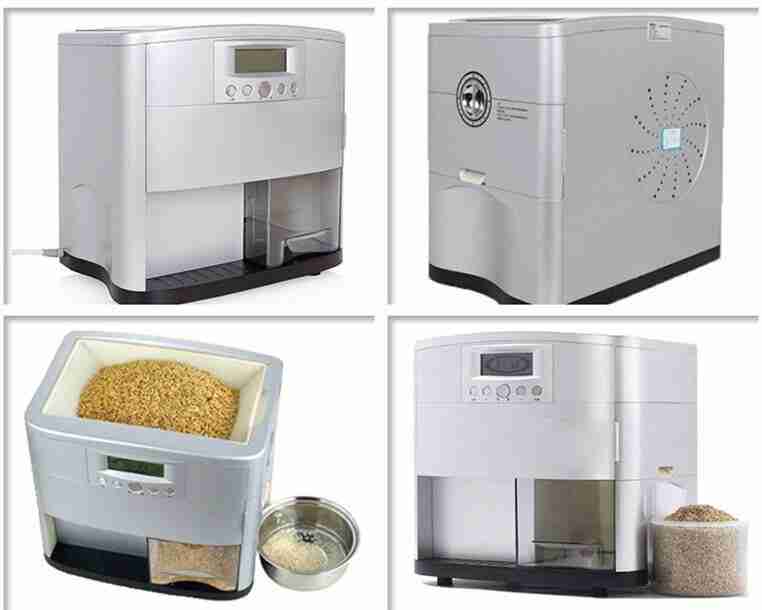
Key Features of the Mini Rice Milling Machine and Their Benefits
The mini rice milling machine encompasses a range of innovative features designed to enhance efficiency and usability. First and foremost, its compact design allows for easy installation and operation, making it ideal for small-scale farmers and businesses. This machine processes rice quickly, reducing the time between harvest and milling, thereby preserving the quality of the grain. Additionally, it incorporates energy-saving technology that minimizes electricity consumption, translating to substantial cost savings over time.
Moreover, this machine boasts automatic operation capabilities, ensuring consistency and precision in every batch of rice milled. The built-in husk separator and adjustable milling parameters provide versatility, allowing users to customize the milling process according to specific customer demands. Other notable features include easy maintenance, where components can be accessed without extensive technical knowledge, and durability, with materials designed to withstand the rigors of daily use. Below is a summary of these advantages:
| Feature | Benefit |
|---|---|
| Compact Design | Space-efficient, suitable for small operations |
| Energy-saving Technology | Reduces operating costs |
| Automatic Operation | Consistency in milling results |
| Adjustable Milling Parameters | Customization for diverse grain requirements |
| Easy Maintenance | Simplifies upkeep, less downtime |
| Durability | Long-lasting performance |

Exploring the Impact on Smallholder Farmers and Local Economies
The introduction of the mini rice milling machine represents a pivotal shift for smallholder farmers, who have long faced obstacles in the processing of their crops. With the ability to mill rice on-site, these farmers can now increase their profit margins and reduce reliance on distant milling facilities. This transformation not only empowers farmers to control the quality and timing of their product but also enables them to diversify their offerings with minimal investment. The machine facilitates a more sustainable farming practice, as it helps reduce post-harvest losses and ensures that the farmers retain more of the value chain.
Beyond the individual farmer, the ramifications extend to local economies, ushering in an era of enhanced food security and community development. Increased productivity contributes to a more stable local market, with several key benefits:
- Job Creation: With more local milling capabilities, new opportunities for employment in milling, logistics, and distribution will emerge.
- Economic Growth: A higher volume of locally processed rice can stimulate the economy and lower the cost of rice in the community.
- Community Resilience: By supporting local farmers and businesses, communities can become more self-sufficient and less vulnerable to external market fluctuations.
| Impact Category | Description |
|---|---|
| Farmer Profitability | Increased income from reduced milling costs |
| Food Quality | Improved control over milling processes enhances quality |
| Job Opportunities | Creation of new jobs in processing and distribution |
Best Practices for Integrating the Mini Rice Milling Machine in Operations
Integrating a mini rice milling machine into agricultural operations can streamline processes and enhance productivity significantly. Training staff on the machine’s functionality is crucial for operational success. Consider developing comprehensive training programs that detail not only how to operate the mill but also its maintenance and troubleshooting. Incorporating regular feedback sessions can ensure that staff are comfortable with the equipment and can provide insights into potential improvements in workflow. Setting up a support system where experienced operators mentor new users can foster a collaborative environment that encourages continuous learning and skill development.
To maximize the efficiency of the mini rice milling machine, it’s essential to implement proper pre-milling practices. These include selecting high-quality rice and conducting thorough cleaning to eliminate impurities that could affect milling output. Furthermore, optimizing the milling schedule can reduce downtime. A sample schedule might look as follows:
| Day | Task | Duration |
|---|---|---|
| Monday | Initial setup and calibration | 2 hours |
| Tuesday | Milling rice variety A | 4 hours |
| Wednesday | Routine maintenance | 1 hour |
| Thursday | Milling rice variety B | 4 hours |
| Friday | Cleansing and troubleshooting | 2 hours |
Additionally, monitoring key performance indicators (KPIs) related to production output, quality of the milled rice, and operational costs can help in making informed decisions and adjustments to improve efficiency further. Leveraging technology such as software systems that track these metrics can aid in optimizing daily operations.
Closing Remarks
the unveiling of the mini rice milling machine marks a significant milestone in the effort to revolutionize grain processing. As we stand at the crossroads of innovation and tradition, this compact marvel not only promises efficiency and accessibility for small-scale farmers but also embodies the spirit of sustainable agriculture. By streamlining the milling process, it paves the way for enhanced productivity, improved quality, and ultimately, better livelihoods for countless individuals in the grain industry. As the world continues to evolve, embracing such advancements will be crucial in meeting the growing demand for food while nurturing our planet’s resources. The future of rice milling is here, and it holds the potential to transform not just grains, but also the lives of those who depend on them. Let us welcome this new chapter with optimism and a commitment to fostering a more productive and sustainable agricultural landscape.




