
In an age where innovation shapes every aspect of our lives, the agricultural sector is no stranger to transformation. Among the myriad of technological advancements, mini rice milling machines are quietly revolutionizing how farmers approach rice production. Gone are the days when large, cumbersome machines dictated the rhythm of harvest; today, compact and efficient milling solutions are empowering smallholder farmers, enhancing productivity while minimizing resource use. This article delves into the rise of these compact powerhouses, exploring their impact on the industry, the environment, and the livelihoods of countless individuals in rice-producing regions. As we turn the spotlight on this burgeoning trend, we invite you to discover how mini rice milling machines are not just changing the way we process rice, but are also sowing the seeds for a brighter agricultural future.
Shaping the Future of Farming with Compact Milling Technologies
As the global demand for rice continues to surge, innovative solutions such as mini rice milling machines are emerging as vital components in agricultural transformation. These compact milling technologies integrate advanced features that not only enhance operational efficiency but also simplify processes traditionally reserved for large-scale operations. Farmers and smallholders now have the opportunity to harness the power of modern milling without the hefty investments associated with conventional machinery, allowing them to upscale their production while significantly reducing post-harvest losses.
Furthermore, mini rice milling machines promote sustainability by minimizing energy consumption and resource usage, making them an appealing option for eco-conscious producers. With their compact size, these machines can be utilized in varied settings, from small farms to community milling centers, making them accessible to a broader audience. Key advantages include:
- Cost-Effective Operation: Lower investment and maintenance costs.
- Efficiency and Speed: Quick processing times that enhance productivity.
- Quality Output: Improved milling quality, resulting in less broken rice.
- Portability: Easy to transport, making them ideal for small-scale, rural settings.
| Feature | Benefit |
|---|---|
| Compact Design | Saves space and facilitates mobility |
| Low Power Consumption | Cost savings on energy bills |
| User-Friendly | Easy operation for farmers with varying skill levels |
Unlocking Efficient Grain Processing through Mini Rice Mills
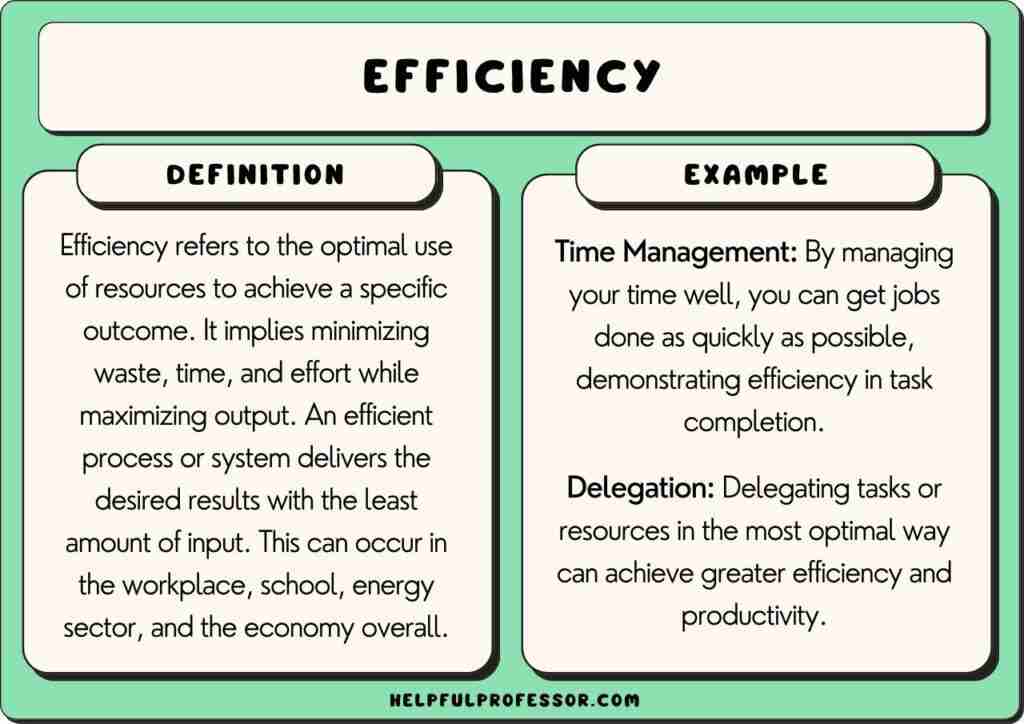
In the pursuit of maximizing agricultural productivity, mini rice mills are emerging as game-changers. These compact machines are designed to streamline the entire rice production process, offering a myriad of benefits to farmers and small-scale processors alike. By enabling farmers to convert raw paddy into market-ready rice efficiently, mini rice mills are significantly reducing post-harvest losses. This transformation isn’t just about convenience; it’s also about enhancing the quality of the produced rice, ensuring that it meets market standards while preserving its nutritional value.
Moreover, the versatility of mini rice mills makes them accessible to diverse agricultural settings. Features such as energy efficiency and compact design empower smallholder farmers to operate these machines with minimal investment. They provide various milling options suitable for different grain types, adapting to local agricultural practices. Key advantages include:
- Cost-effectiveness: Affordable machinery that meets local needs.
- Time-saving: Rapid processing times ensure timely market access.
- High yield: Improved techniques maximize output without increasing input.
To provide a clearer picture of the impact of mini rice mills, consider the following comparison of traditional milling versus mini milling:
| Factor | Traditional Milling | Mini Rice Milling |
|---|---|---|
| Processing Time | Several hours | Under an hour |
| Initial Cost | High | Low |
| Post-Harvest Loss | Significant | Minimal |
This table highlights how these innovative machines mark a significant shift in rice processing practices, proving once again that technology can reshape traditional industries effectively and sustainably.

Empowering Smallholder Farmers with Affordable Milling Solutions
Across rural landscapes, smallholder farmers are often seen as the backbone of agricultural communities, yet they face numerous challenges that hinder their productivity and profitability. By embracing cutting-edge technologies like mini rice milling machines, these farmers gain access to efficient and affordable milling solutions. These compact machines not only minimize the burden of labor but also enhance the quality and value of the rice produced. With the ability to process grains on-site, farmers can maximize their output and reduce transportation costs, ultimately driving their income potential higher.
Moreover, the introduction of user-friendly mini milling machines is paving the way for a new era of farming. These machines require minimal maintenance and can be operated by local labor, promoting community engagement and job creation. Key benefits include:
- Cost-effectiveness: Lower investment compared to traditional milling solutions.
- Flexibility: Customizable settings for different rice varieties.
- Speed: Faster processing times, enabling farmers to meet market demands.
| Feature | Benefit |
|---|---|
| Compact Design | Ideal for small farms and easy to transport. |
| Energy-efficient | Reduces operational costs significantly. |
| Integrated Technology | Ensures high-quality milling with less waste. |
Sustainability in Agriculture: The Environmental Benefits of Mini Rice Milling
Mini rice milling machines play a significant role in promoting sustainable agricultural practices by minimizing the carbon footprint associated with traditional milling processes. These compact machines are designed to operate efficiently, using less energy and producing less waste. By reducing the reliance on larger, more industrial milling facilities, farmers can process rice locally, which not only cuts down transportation emissions but also supports local economies. This localized approach ensures fresher produce is available to communities while also empowering smallholder farmers with better control over their produce.
Furthermore, the environmental benefits extend to water conservation and soil health. Mini rice milling often incorporates eco-friendly technologies that require less water for processing compared to conventional methods. This conservation of resources supports sustainable agricultural practices and protects vital ecosystems. Additionally, the by-products generated, such as rice husk and bran, can be repurposed for organic fertilizers or renewable energy, creating a closed loop system that enhances overall farm productivity. The following table summarizes these environmental advantages:
| Advantage | Description |
|---|---|
| Energy Efficiency | Uses less power than large mills |
| Local Processing | Reduces transportation emissions |
| Water Conservation | Less water is needed for milling |
| Resource Repurposing | By-products can be used for sustainable practices |
Closing Remarks
As we stand on the cusp of a new agricultural era, the advent of mini rice milling machines heralds a transformative shift in how we approach rice cultivation and processing. These compact powerhouses not only promise efficiency and sustainability but also empower local farmers by reducing dependency on larger, often less accessible milling facilities. As the industry continues to innovate, the ripple effects of this technology can be felt far beyond the fields, impacting food security, economic stability, and rural development.
In this journey towards modernized agriculture, the rise of mini rice milling machines exemplifies that big changes can indeed come in small packages. By prioritizing accessibility and adaptability, these machines offer solutions that resonate with the unique challenges faced by farmers in diverse regions. As we move forward, it is essential to foster a community of knowledge sharing and innovation that will enable the agricultural sector to evolve, ensuring that every grain of rice contributes to a more sustainable future.
the integration of mini rice milling technology into the agricultural landscape not only optimizes the milling process but also redefines the relationship between farmers and their craft. As we embrace these advancements, we cultivate not just crops, but a vision of resilience and productivity that can sustain generations to come. The journey has only just begun—let us nurture it with curiosity and collaboration.




