
In the heart of the world’s most populous regions, where the landscape is painted with golden fields of rice, an agricultural revolution is quietly unfolding. The rise of mini rice mill plants is reshaping the way we cultivate, process, and consume one of the world’s staple foods. These compact, efficient facilities are not merely tools for milling; they symbolize a shift towards sustainability and innovation in the face of growing global challenges. As traditional farming practices grapple with the pressures of climate change and population growth, the introduction of mini rice mills offers a beacon of hope, empowering local farmers, enhancing productivity, and reducing waste. In this article, we will explore how these small-scale operations are making a significant impact on the agricultural landscape, forging new pathways for both farmers and consumers while fostering a more resilient food system. Join us on a journey through the transformative effects of mini rice mill plants, where technology meets tradition in the quest for a more sustainable future.
The Transformation of Traditional Farming Techniques through mini rice mill Plants
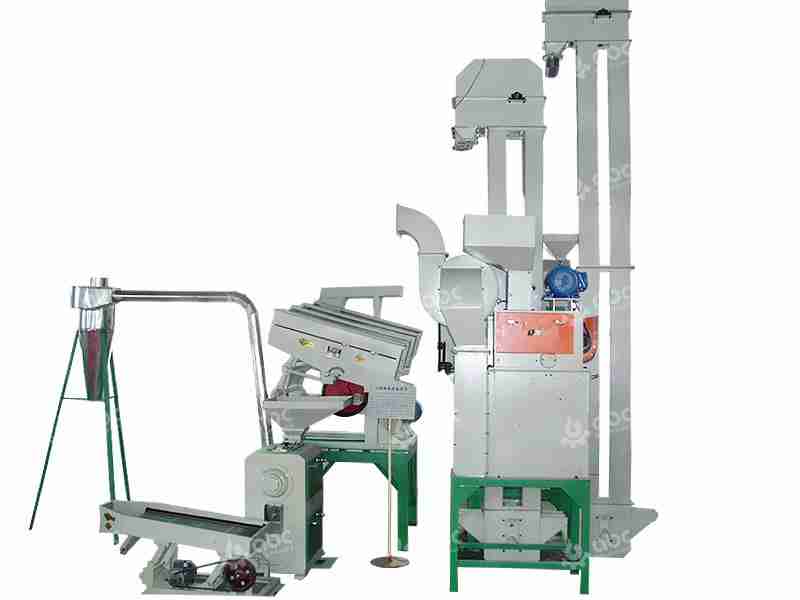
The advent of mini rice mill plants is reshaping the agricultural landscape, particularly for traditional farmers. By integrating technology into the age-old practice of rice milling, these compact systems offer a plethora of advantages that cater to the needs of modern-day agriculture. The benefits of mini rice mill plants include:
- Increased efficiency: These plants are designed to process rice with minimal manual intervention, significantly reducing time and labor costs.
- Improved quality: The advanced milling techniques utilized in mini rice mills help preserve the nutritional value and taste of the rice.
- Cost-effectiveness: With lower initial investment and operational costs compared to larger mills, they are accessible for smallholder farmers.
- Local empowerment: Farmers can process their own crop, allowing them to take charge of their production cycle, from paddy to polished rice.
Moreover, the implementation of these plants fosters a sense of community among farmers while promoting sustainability in agricultural practices. As traditional milling methods often lead to considerable wastage and inefficiencies, mini rice mill plants address these challenges by maximizing the yield and minimizing post-harvest losses. To illustrate the impact:
| Aspect | Traditional Methods | mini rice mill Plants |
|---|---|---|
| Processing Time | High | Low |
| Nutrient Loss | High | Low |
| Manual Labor Required | Extensive | Minimal |
| Initial Investment | High | Low |
Benefits of mini rice mill Plants in Enhancing Local Economies and Food Security
The integration of mini rice mill plants into local agricultural frameworks plays a transformative role in bolstering rural economies. These compact facilities not only facilitate efficient processing of rice, but also offer myriad benefits such as *reduced transportation costs*, *enhanced market access*, and *job creation*. By situating processing capabilities closer to rice fields, local farmers can minimize expenses related to transporting their produce to distant mills. Additionally, by creating jobs, these plants stimulate local employment opportunities, leading to increased purchasing power among residents, which in turn fuels other local businesses.
Furthermore, mini rice mill plants significantly contribute to food security by ensuring a consistent supply of processed rice, a staple food in many regions. This enhanced local production capacity mitigates reliance on larger, more centralized processing units, reducing vulnerability to supply chain disruptions. The ability to process rice locally also enables farmers to take charge of their own food source, fostering self-sufficiency. Here are some specific benefits:
- Local job creation: Opportunities for skilled and unskilled workers.
- Supply chain resilience: Reduces dependency on distant markets.
- Cost-effectiveness: Minimizes transportation and storage costs.
- Quality control: Enhances the processing quality of rice.
| Benefit | Description |
|---|---|
| Economic Growth | Stimulates agrarian-based economies through localized processing. |
| Empowerment | Gives farmers control over their produce, enhancing sustainability. |
| Food Security | Ensures stable access to essential food supplies. |

Innovative Technology and Sustainable Practices in mini rice mill Operations
In the evolving landscape of agriculture, mini rice mills are at the forefront of integrating innovative technology and sustainable practices. These small-scale operations are revolutionizing rice processing by utilizing energy-efficient machinery that minimizes waste and maximizes output. Modern mini rice mills are equipped with advanced features such as automated milling systems, energy-efficient dryers, and water recycling systems, which not only reduce operational costs but also lessen the environmental footprint of rice production. Farmers can now benefit from real-time monitoring and data analytics, allowing them to make informed decisions that enhance both the quality and quantity of their yield.
The shift towards sustainability is further emphasized by the incorporation of renewable energy sources, such as solar panels, which power these mills and reduce dependency on fossil fuels. Additionally, many mini rice mill plants are designed to produce value-added products like rice bran oil and biofertilizers, promoting a circular economy within the agricultural sector. This holistic approach not only generates extra revenue streams for farmers but also contributes to soil health and biodiversity. The table below illustrates the benefits of adopting these innovative technologies:
| Feature | Benefit |
|---|---|
| Energy-efficient machinery | Reduces operational costs |
| Automated systems | Enhances productivity |
| Water recycling | Minimizes waste |
| Solar power integration | Decreases carbon footprint |
| Value-added production | Increases revenue opportunities |
Planning for Success: Key Considerations for Implementing mini rice mill Plants in Rural Areas
Implementing mini rice mill plants in rural areas requires a multifaceted strategy to ensure sustainability and success. Firstly, thorough market research must be conducted to assess demand and supply dynamics in the vicinity. This includes understanding local agricultural practices, identifying potential customers such as farmers and traders, and evaluating competing millers. Location is also critical; mills should be positioned conveniently to minimize transportation costs yet accessible to farmers bringing their harvest. Moreover, engaging key stakeholders such as local agricultural extension officers can help garner community support and build trust.
In addition to market considerations, technical and operational planning is essential. Mini rice mills should be designed with scalability in mind, allowing for adjustments as demand increases. A well-trained workforce is crucial; thus, establishing training programs on rice processing techniques and machinery maintenance can enhance productivity. Others to consider include:
- Financing Options: Explore grants and low-interest loans tailored for agricultural initiatives.
- Partnerships: Collaborate with local cooperatives and NGOs to leverage additional resources.
- Quality Control: Develop protocols for consistent product quality to build a loyal customer base.
A disciplined approach that integrates these key considerations can pave the way for the successful implementation of mini rice mill plants in rural communities.
Concluding Remarks
As we stand at the crossroads of tradition and innovation, the emergence of mini rice mill plants heralds a new era in agriculture. These small-scale marvels not only provide farmers with the tools to enhance efficiency and quality but also pave the way for sustainable farming practices that prioritize both profit and the planet. By empowering local communities and reducing dependency on large processing facilities, mini mills are playing a pivotal role in reshaping the agricultural landscape. As we move forward, it will be crucial to embrace these advancements and support the farmers who are at the heart of this transformation. The future of agriculture is bright, and with the rise of mini rice mill plants, we are witnessing the seeds of change being sown—one grain at a time.




