
In the heart of vibrant green fields, where the sun’s golden rays kiss the crops at dawn, a quiet revolution is unfolding in the world of agriculture. The traditional landscape of rice farming, long dominated by large-scale milling operations, is gradually being reshaped by the emergence of combine mini rice mills. These innovative machines—compact, efficient, and adaptable—are not merely tools; they represent a seismic shift in how rice is cultivated, processed, and ultimately brought to market. As farmers seek sustainable solutions to meet the rising demands of a growing population, the rise of these mini mills signals a new era of modernization and empowerment in agriculture. This article delves into the transformative impact of combine mini rice mills, exploring their benefits, technological advancements, and the potential they hold for enhancing food security and boosting rural economies globally. Join us on this journey as we uncover how these small yet mighty machines are revolutionizing the age-old practice of rice production.
Shaping the Future of Rice Production with Mini Mills
As the world’s population continues to grow, the challenge of feeding billions while ensuring sustainability has never been more pressing. Mini rice mills are stepping into the spotlight as innovative solutions that can significantly transform rice production. These compact systems promise to enhance efficiency, reduce waste, and empower local farmers by enabling them to process their own crops at a fraction of the traditional costs. With advancements in technology, these mills not only streamline the milling process but also allow for real-time monitoring and quality control, ensuring that only the highest standard rice makes its way to consumers.
The impact of mini rice mills goes beyond mere production; they foster local economies and promote self-sufficiency among farmers. Key benefits include:
- Accessibility: Mini mills can be installed where they are needed most, eliminating the need for farmers to transport rice long distances.
- Cost Efficiency: Lower operational costs mean increased profitability for farmers, allowing them to invest in their families and communities.
- Job Creation: The establishment of mini rice mills generates local employment opportunities, stimulating economic growth.
Moreover, the design of these mills can be adapted to use renewable energy sources, further reducing the carbon footprint associated with rice production. The transition to mini rice mills is not just a trend; it symbolizes a larger movement towards sustainable agribusiness practices. Below is a simple comparison of traditional rice milling versus mini rice milling:
| Feature | Traditional Rice Milling | Mini Rice Milling |
|---|---|---|
| Size | Large | Compact |
| Cost | High | Low |
| Accessibility | Limited | Widespread |
| Employment | Low | High |

Unlocking Efficiency and Sustainability in Small-Scale Farming
In the dynamic landscape of modern agriculture, mini rice mills are paving the way for enhanced productivity and responsible farming practices. These compact machines are designed to process small batches of rice efficiently, allowing small-scale farmers to reduce post-harvest losses significantly. By integrating advanced technology, a mini rice mill can operate seamlessly on a smaller footprint, promoting better use of resources and minimizing waste. Farmers can capitalize on their harvests without relying heavily on large, traditional milling operations, ultimately ensuring fresher produce reaches consumers while bolstering local economies.
Moreover, the sustainability aspect of these mini mills cannot be understated. They encourage practices that resonate with environmentally friendly farming, such as reducing carbon footprints and conserving water and energy. A few compelling benefits of adopting mini rice mills include:
- Resource Efficiency: Utilization of fewer resources to achieve maximum output.
- Reduced Transport Emissions: On-site processing minimizes the need for long transportation of raw grains.
- Enhanced Product Quality: Freshly milled rice retains more nutrients, offering consumers a healthier option.
- Empowerment of Local Farmers: Enables farmers to take control of their production, ensuring better pricing and market access.
Additionally, a table showcasing the environmental advantages of mini rice mills compared to traditional systems illustrates their potential impact:
| Aspect | Mini Rice Mills | Traditional Mills |
|---|---|---|
| Energy Consumption | Lower | Higher |
| Waste Generation | Minimal | Significant |
| Water Usage | Conserves | Requires More |
| Carbon Footprint | Reduced | Higher |
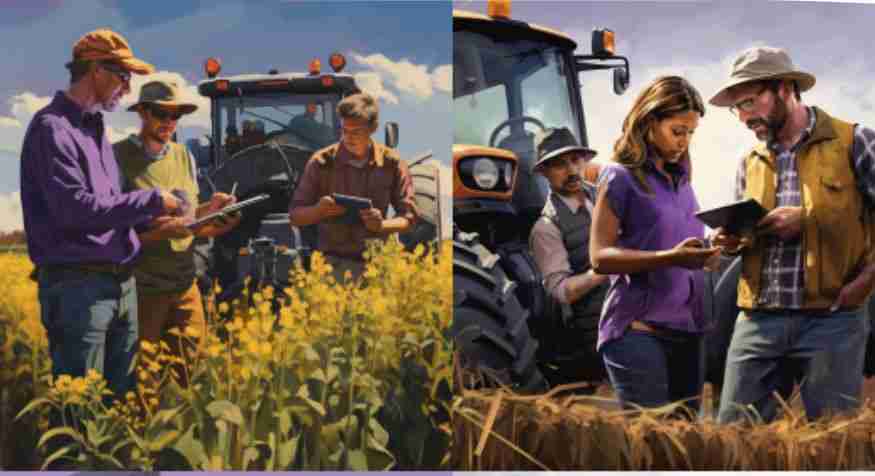
Empowering Farmers: The Economic Impact of Mini Rice Mills
The advent of mini rice mills has catalyzed a transformative shift in agricultural practices, particularly benefiting local farmers. By enabling them to process their own produce, these small-scale mills enhance profitability and empower farmers to take control of their economic destiny. The direct processing of paddy into rice allows farmers to minimize dependencies on middlemen, ensuring that a larger portion of the profits remains in their pockets. Moreover, the ability to customize processing according to market demand adds an innovative layer to traditional farming practices, paving the way for increased income stability and better resource management.
By investing in mini rice mills, farmers can enjoy several significant advantages:
- Cost Reduction: Eliminates transportation costs associated with sending paddy to larger mills.
- Fresh Produce: Ensures that rice is processed immediately, preserving quality and taste.
- Job Creation: Employs local workers, fostering community development and reducing rural unemployment.
- Market Reach: Enables farmers to enter direct markets, expanding their sales channels.
Economically, the impact is evident. The following table highlights a comparison of income between traditional methods and the introduction of mini rice mills:
| Method | Annual Income (USD) | Profit Margin (%) |
|---|---|---|
| Traditional Milling | 1,500 | 30 |
| Mini Rice Mills | 2,500 | 50 |
This table outlines how farmers experience significantly higher annual income and improved profit margins after adopting mini rice mills, fundamentally reshaping the agricultural landscape and providing a road map for future development.
Innovative Technologies Driving the mini rice mill Revolution
As technology continues to evolve, the agricultural sector is witnessing remarkable innovations that enhance efficiency and productivity. The introduction of mini rice mills has transformed traditional farming practices. These compact machines integrate advanced features such as automatic grain separation, energy-efficient motors, and user-friendly interfaces, making them accessible to small-scale farmers. By leveraging smart technology, farmers can now monitor and control the milling process in real-time, ensuring optimal quality and minimizing waste. This convergence of innovation fosters a more sustainable approach to rice production, empowering farmers to meet the growing demand for this staple food.
Furthermore, the mini rice mills are equipped with environmentally friendly designs that reduce carbon footprints. With the capability to operate on solar energy, many units contribute to a decrease in reliance on fossil fuels. This technological shift is complemented by cloud-based data analytics, enabling farmers to make informed decisions regarding crop management and market trends. Investment in these mills not only enhances productivity but also strengthens the overall economy by offering farmers a means to increase their profits while ensuring that they adhere to modern sustainability practices.
Closing Remarks
As the sun sets over sprawling fields, the promise of a new dawn for agriculture emerges with the innovative rise of combine mini rice mills. These compact machines stand not just as a testament to technological advancement but as a beacon of hope for farmers striving for productivity and sustainability. By streamlining the harvesting and milling process, these mills are empowering smallholder farmers, reducing waste, and redefining the landscape of rice production.
In a world where food security and efficiency are paramount, the integration of these mini mills represents a critical shift towards a more resilient agricultural ecosystem. As we look to the future, it is clear that the fusion of tradition and innovation will be the driving force behind a sustainable agricultural revolution. Just as the rice grains nourish communities, the evolution of farming practices will undoubtedly feed the aspirations of countless generations to come.
the rise of combine mini rice mills isn’t merely a trend but a transformative movement poised to shape the future of agriculture. Embracing this change with open minds and hands will pave the way for a thriving, food-secure world where every grain counts.




