
In an era where sustainable practices and technological advancements are becoming increasingly essential to meeting the world’s food demands, the evolution of agriculture is more critical than ever. Amidst the vast fields and sun-soaked landscapes where farmers toil, a quiet revolution is taking root—one that promises to modernize the way we cultivate and process one of humanity’s staple crops: rice. At the heart of this transformation lie mini rice mills, innovative machines that are altering the dynamics of rice production on a micro scale. These compact, efficient milling solutions not only enhance productivity but also empower smallholder farmers, promote local economies, and contribute to food security. As we delve into the myriad benefits of mini rice mills, we discover how this technology is not just reshaping the rice industry but also ushering in a new era of agricultural sustainability and resilience. Join us as we explore the profound impact these miniature marvels can have on communities and the planet alike.
Transforming Grain to Gain: The Efficiency of Mini Rice Mills
Mini rice mills are reshaping the agricultural landscape by providing an efficient means to process rice, significantly enhancing productivity and profitability for smallholder farmers. With their compact design and user-friendly operation, these mills have become indispensable tools for rural communities. Farmers can transform raw paddy into market-ready rice with minimal labor and reduced costs, facilitating quicker access to end consumers. The ability to process rice on-site means that farmers can take full advantage of price fluctuations and optimize their earnings. This immediate conversion from grain to gain allows for better cash flow management, as farmers no longer need to rely on distant milling facilities.
Benefits of adopting mini rice mills extend beyond processing efficiency. They also contribute positively to the local economy by:
- Job Creation: Establishing local milling operations creates employment opportunities within the community.
- Quality Control: Farmers maintain control over the processing conditions, ensuring superior quality rice that can fetch higher market prices.
- Resource Utilization: Minimizing waste through efficient milling processes helps farmers make the most of every harvest.
the shift towards mini rice mills represents a sustainable approach to rice production, enhancing both the economic viability of small-scale farming and the overall resilience of rural communities.
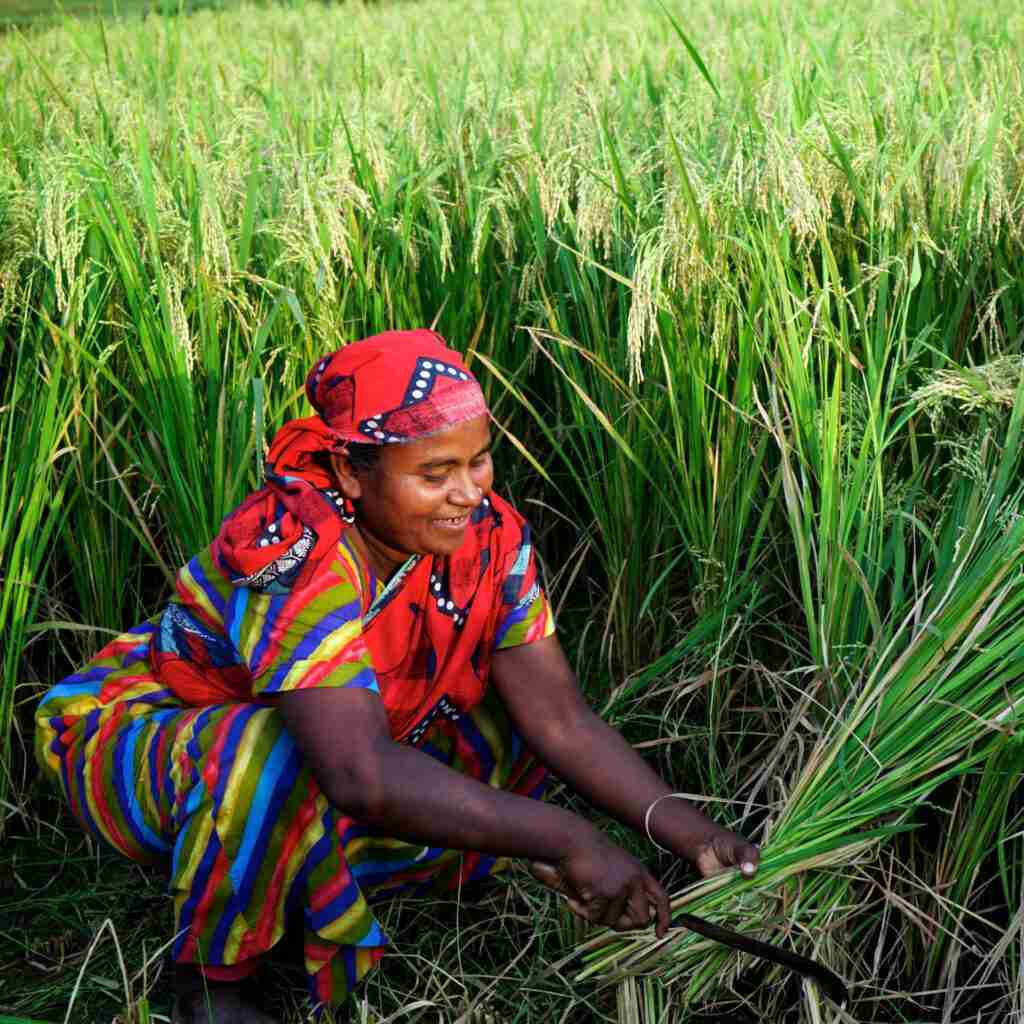
Empowering Farmers: Enhancing Local Economies through Mini Rice Production
Empowering farmers through mini rice production serves as a catalyst for enriching local economies and fostering sustainable agricultural practices. By introducing mini rice mills, farmers gain direct control over the processing of their harvested crops, significantly reducing dependency on centralized milling facilities. This democratization of the milling process not only enhances the profitability of local farmers but also allows for better quality control of the product. As a result, communities witness an increase in the overall market value of their rice, leading to heightened profitability across the agricultural chain.
Beyond economic gains, the introduction of mini rice mills nurtures a sense of community collaboration. Farmers are encouraged to pool resources for purchasing shared equipment, enabling them to leverage economies of scale while fostering relationships within their neighborhoods. This collaborative spirit also allows for knowledge-sharing opportunities that can lead to improved agricultural techniques and sustainable practices. The ripple effect of this empowerment is profound, leading to potential job creation and the establishment of local markets that can sustain rural economies. The impact is clear: a thriving community nurtured by empowered farmers and a sustainable agricultural infrastructure.

Sustainable Practices: Environmental Benefits of Mini Rice Mills
The emergence of mini rice mills is transforming not just agricultural practices but also enhancing sustainability in the farming sector. By processing rice locally, these mills significantly reduce transportation needs, thereby minimizing carbon emissions associated with long-distance shipping. This local processing approach fosters a circular economy model, allowing farmers to reduce waste and recycle by-products into value-added products. In addition, the compact size and efficiency of mini rice mills require less energy compared to traditional, larger milling operations, further contributing to a smaller environmental footprint.
Moreover, the implementation of mini rice mills promotes biodiversity and encourages sustainable farming practices that can lead to improved soil health. By using *integrated pest management* techniques, farmers can reduce the need for harmful pesticides, allowing for a healthier ecosystem. Key benefits include:
- Reduction in water consumption: Less energy-intensive operations require less water for cleaning and processing.
- Minimized waste: Rice husks and other by-products can be utilized for bioenergy or as organic fertilizers.
- Promotion of local economies: Supporting local mills helps create jobs and reduce reliance on imported rice.
| Environmental Impact | Benefits |
|---|---|
| Reduced Carbon Footprint | Local processing lessens transportation emissions. |
| Enhanced Soil Health | Organic by-products enrich the soil. |
| Energy Efficiency | Lower energy consumption than traditional mills. |
Innovative Technology: How Mini Rice Mills are Shaping the Future of Agriculture
As the demand for sustainable agricultural practices grows, mini rice mills have emerged as a game-changer in farming communities. These compact machines not only streamline the rice milling process but also empower small-scale farmers to take control of their production. By reducing the reliance on larger milling facilities, they can now process their harvests on-site, ensuring fresher produce and minimizing transportation costs. Farmers are discovering that investing in such technology leads to greater efficiency, enabling them to allocate resources more effectively and focus on improving the quality of their crops.
Moreover, the introduction of mini rice mills has far-reaching benefits that extend beyond individual farms. These systems promote local economies and enhance food security by encouraging self-sufficiency. With smallholder farmers processing their rice locally, communities can observe a remarkable improvement in their economy due to the creation of jobs and value-added services. Additionally, the technology’s compact nature allows it to be utilized in various environments, from small villages to urban agriculture setups. The versatility of these mills can be summarized in the following benefits:
| Benefit | Description |
|---|---|
| Cost-effective | Lower operating costs compared to larger mills. |
| Local Processing | Facilitates on-site milling, reducing transportation time and expenses. |
| Job Creation | Encourages local employment and enhances community engagement. |
| Quality Control | Farmers maintain a higher standard of quality in their produce. |
Wrapping Up
As we turn the final page on our exploration of mini rice mills and their transformative potential in agriculture, it becomes clear that the ripple effects of this innovation reach far beyond the fields. By empowering smallholders, enhancing efficiency, and promoting sustainable practices, mini rice mills are not merely tools for processing grains; they symbolize a shift towards a more resilient and inclusive farming future.
As the sun sets on traditional agricultural challenges, the dawn of mini rice mills signifies hope for farmers who dream of better yields, economic stability, and reduced post-harvest losses. The journey of revolutionizing agriculture is a collective endeavor, inviting stakeholders from all corners—farmers, policymakers, and consumers—to engage in the narrative of progress.
In embracing these small-scale innovations, we can plant the seeds for a robust agricultural ecosystem that nurtures both the land and its custodians. As we look ahead, the question remains: how will we harness this transformative potential to cultivate a sustainable tomorrow? Through collaboration, innovation, and a shared vision, the answer lies within our reach.




