
In an age where technological advancements seem to dominate every aspect of our lives, it’s easy to overlook the beauty and significance of traditional practices. However, as the world collectively seeks a balance between the old and the new, elements of classic agriculture are experiencing a resurgence, paving the way for sustainable development. Among these, the mini rice mill stands out as a versatile embodiment of this revival. This seemingly simple piece of machinery not only enhances efficiency in rice processing but also revitalizes artisanal methods that have been passed down through generations. In this article, we will explore the mini rice mill’s innovative design, its role in modern farming, and how it bridges the gap between tradition and contemporary agriculture, ensuring that the essence of rice cultivation remains alive and relevant.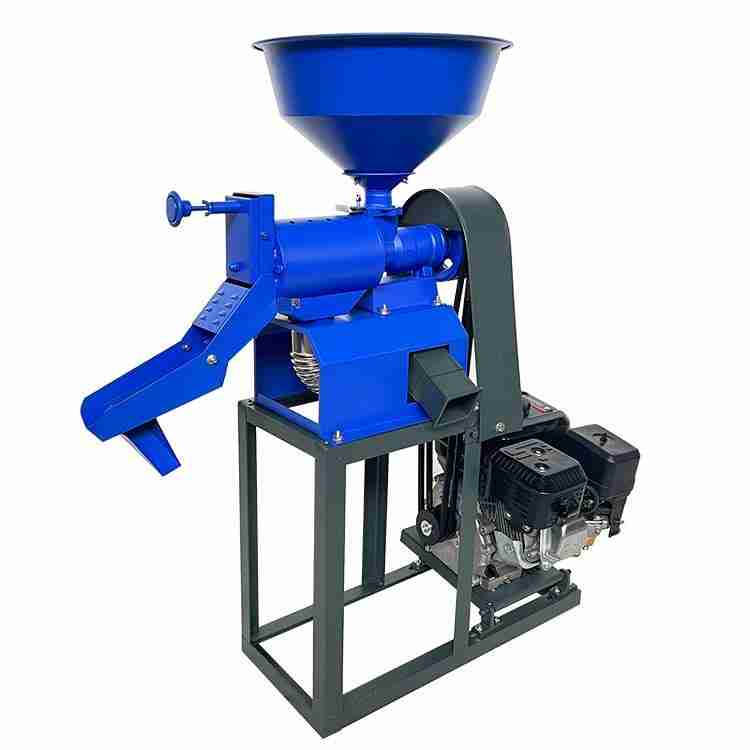
Understanding the Functionality of Mini Rice Mills in Modern Agriculture
The advent of mini rice mills has revolutionized the way rice is processed in the agricultural sector, empowering small-scale farmers and facilitating local food production. These compact machines efficiently transform paddy into polished rice, providing an accessible and affordable solution for rural communities. With advancements in technology, mini rice mills are designed to enhance productivity while preserving the nutritional value of rice. The compact size makes it easier to install and operate, especially in areas where space is a constraint. Moreover, they can handle various rice varieties, thereby promoting biodiversity by allowing farmers to process traditional and indigenous rice types.
Another notable aspect is their contribution to reducing post-harvest losses, a critical challenge faced by farmers globally. By allowing farmers to mill their own rice on-site, these machines minimize the time between harvest and processing, which is essential for maintaining quality. Some key functionalities of mini rice mills include:
- Multi-functional capabilities: Many mini rice mills are equipped with features that allow for husking, milling, and polishing, all in one unit.
- Energy efficiency: Designed to consume less power, these mills are especially suited for off-grid communities.
- Easy maintenance: Their straightforward construction facilitates simple repairs and upkeep, reducing downtime.

Exploring the Economic Benefits of Incorporating Mini Rice Mills
The incorporation of mini rice mills into local agriculture provides a substantial boost to the economy by creating opportunities for farmers and entrepreneurs alike. By enabling small-scale rice processing, these mills reduce dependency on larger operations, thus lowering costs associated with transportation and milling fees. The ability to process rice locally allows farmers to enjoy a greater share of the profits, subsequently enhancing their financial stability. Furthermore, as mini rice mills require fewer investments, they become an accessible option for aspiring entrepreneurs, contributing to the growth of small businesses in rural areas.
Additionally, mini rice mills play a pivotal role in driving community development and sustainability. They facilitate the promotion of local produce and ensure that rice remains an integral part of the regional economy. This generates employment opportunities not only in milling but also in related sectors such as packaging and distribution. The positive economic ripple effect can be seen through the increase in demand for local commodities, which stimulates other industries as well. Here are some of the key benefits:
- Job Creation: Local employment opportunities reduce rural migration.
- Increased Farmer Income: Farmers can sell their processed rice at higher rates.
- Sustainability: Promotes environmentally friendly practices.
- Local Trade Boost: Encourages the purchase of local goods and services.
Sustainability and Efficiency: The Green Revolution of Mini Rice Milling
In the quest for a sustainable future, mini rice milling has emerged as a beacon of efficiency. These compact mills not only streamline the rice processing journey but do so with minimal environmental impact. By utilizing advanced technology, they consume less energy and generate less waste compared to traditional, larger milling operations. The innovations in this sector are paving the way for farmers to process rice locally, thus reducing the carbon footprint associated with transportation and distribution. Here are some of the benefits of adopting mini rice mills:
- Resource Efficiency: Uses less water and electricity, conserving precious resources.
- Lower Emissions: Minimizes greenhouse gas emissions throughout the milling process.
- Support Local Economies: Enables farmers to sell directly to consumers, enhancing local market stability.
Moreover, the integration of eco-friendly practices in mini rice milling contributes to the broader movement towards agricultural resilience and sustainability. These mills often feature energy-efficient designs, such as solar-powered options, boosting their attractiveness to environmentally conscious farmers. The focus on reducing post-harvest losses also plays a critical role in ensuring food security. Strengthening the connection between traditional methods and modern technology, mini rice mills offer a harmonious fusion that emphasizes sustainable agricultural practices. Below is a simple overview of the key advantages:
| Advantage | Description |
|---|---|
| Cost Effective | Lower operational costs due to reduced energy consumption. |
| Community Impact | Encourages local employment and kitchen-level milling. |
| Simplicity | User-friendly designs make them accessible to all farmers. |
Embracing Tradition: Tips for Selecting the Ideal mini rice mill for Your Needs
When considering a mini rice mill, it is essential to focus on a few key factors that can significantly influence your satisfaction and productivity. Durability should be at the top of your list; look for mills made from high-quality materials to withstand the rigorous daily usage. Capacity is another essential factor, especially if you plan to process large quantities of rice regularly. Understand your volume needs to ensure you select a model that meets your requirements. Additionally, ensure that the mill you choose is energy-efficient to keep operating costs down. The maintenance aspect, including ease of cleaning and servicing, cannot be overlooked either.
Another crucial element to consider is the versatility of the mill. Some models come equipped with various attachments or settings that allow you to process different types of grains beyond rice, such as millet or quinoa. Furthermore, it’s wise to look for mills that offer warranty and customer support, as these can save you from unexpected issues. Understanding the price range that fits your budget will also help narrow your choices effectively. gathering feedback from other users through online reviews or community forums can provide invaluable insights into the performance and reliability of the mini rice mills you are considering.
| Feature | Importance |
|---|---|
| Durability | Ensures longevity and reliability |
| Capacity | Meets processing volume needs |
| Energy Efficiency | Reduces operational costs |
| Versatility | Allows processing of multiple grains |
| Warranty | Provides peace of mind against defects |
Wrapping Up
As we conclude our exploration of the mini rice mill, it’s clear that this innovative machinery is more than just a tool; it is a bridge between tradition and modernity. By maximizing efficiency while honoring the age-old practices of rice cultivation, the mini rice mill not only empowers local farmers but also paves the way for sustainable agricultural practices. Its versatility allows it to adapt to various environments and meet diverse community needs, ensuring that the rich heritage of rice production remains alive and relevant. As we embrace the future of farming, let us not forget the invaluable lessons of the past, embodied in the humble yet mighty mini rice mill. In preserving these traditions, we nurture not only our crops but also our connection to the land and its story.




