
In the heart of rural landscapes, where golden fields sway gently under the sun, a silent revolution is taking shape. As farmers strive to meet the ever-growing demand for efficiency in rice production, a new player is making waves—the combine mini rice mill. This innovative technology, compact and versatile, is transforming the traditional rice harvesting approach, streamlining the process from field to table. The rise of these mini mills not only addresses the challenges of small-scale farming but also heralds a new era of sustainable agricultural practices. In this article, we will explore how combine mini rice mills are reshaping harvests, bolstering local economies, and empowering farmers to thrive in an increasingly competitive market. Join us as we delve into the mechanics, benefits, and future potential of this burgeoning agricultural trend.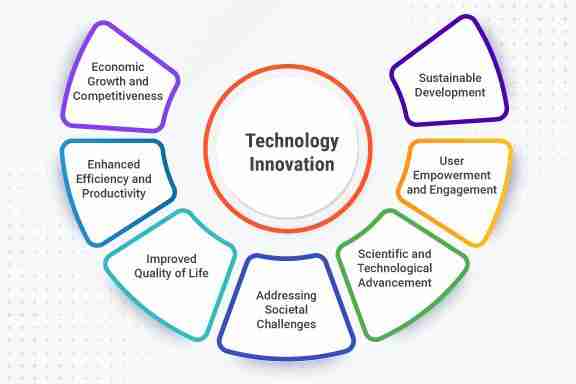
Innovative Technology Transforming Rice Milling Efficiency
The integration of cutting-edge technology in rice milling has heralded a new era of efficiency and productivity. These advancements are not just limited to larger industrial mills; mini rice mills equipped with state-of-the-art features are transforming local farming practices. By utilizing smart sensors and automated systems, these mills can monitor grain quality, optimize milling parameters, and reduce waste, thus ensuring that every grain counts. Additionally, innovations such as solar-powered operations and mobile apps for real-time tracking of milling processes empower farmers with unprecedented control over their produce.
Furthermore, the environmental impact of traditional rice milling methods is being mitigated through the adoption of more sustainable practices. Key innovations include:
- Energy-efficient mills: Combining renewable energy sources significantly cuts down on fossil fuel dependency.
- Waste recovery systems: Advanced milling technology captures and repurposes by-products, promoting a circular economy within rice production.
- Smart design: Ergonomic and compact milling units reduce the physical strain on operators while also taking up less space, ideal for small farms.
As these technologies continue to evolve, they are not only enhancing the productivity of rice milling but are also paving the way for a more sustainable and resilient agricultural sector.

The Economic Advantages of Mini Rice Mills for Smallholder Farmers
The introduction of mini rice mills has transformed the economic landscape for smallholder farmers, enabling them to process their harvest more efficiently and profitably. These compact machines significantly reduce the costs associated with traditional milling methods. By eliminating the need for farmers to transport paddy to distant milling facilities, mini rice mills cut down on transportation expenses and labor costs. Furthermore, smallholders can now perform milling on their own land, saving valuable time and minimizing the risk of losses due to spoilage or theft during transport. As a result, the overall operational efficiency of farming improves, leading to a better return on investment.
Additionally, mini rice mills provide a platform for smallholder farmers to add value to their produce. By milling their rice, farmers gain access to a wider market, allowing them to sell directly to consumers, retailers, or local markets at competitive prices. The ability to process rice on-site not only enhances the quality of the final product but also empowers farmers with the ability to brand their rice, making it more attractive to consumers. This can lead to higher profit margins and improved financial stability. The integration of modern technology in these mini mills also supports higher yield rates, ensuring that farmers maximize the potential from every harvest.
| Advantages | Description |
|---|---|
| Cost Savings | Reduction in transportation and labor costs. |
| Increased Efficiency | On-site milling saves time and reduces spoilage risks. |
| Market Access | Ability to sell processed rice directly to consumers. |
| Value Addition | Empowerment to brand and sell higher quality rice. |

Sustainability in Agriculture: Reducing Waste and Enhancing Yields
In the quest for sustainable agricultural practices, the emergence of combine mini rice mills marks a transformative shift in the production process. These innovative machines are specifically designed to reduce both waste and energy consumption while maximizing efficiency. With their smaller size, they allow farmers to harvest rice more effectively, ensuring that less grain is lost during the process. Coupled with advanced technology, these mills facilitate real-time monitoring of production metrics, enabling farmers to make data-driven decisions that promote sustainability. Here are some of the key advantages of utilizing these mills:
- Reduced Grain Loss: The precision of combine mini rice mills minimizes the number of unharvested grains.
- Energy Efficiency: Smaller machines consume less fuel, decreasing the carbon footprint.
- Field Versatility: Their compact design allows operation in diverse terrains and field conditions.
Moreover, the integration of these machines into everyday farming not only enhances productivity but also contributes to the overall sustainability of agricultural systems. The shift towards this technology presents farmers with an opportunity to produce higher yields without compromising environmental integrity. To illustrate the impact, consider the following table that outlines the benefits of adopting combine mini rice mills:
| Technology Feature | Traditional Methods | Combine Mini Rice Mills |
|---|---|---|
| Grain Loss Percentage | 10-15% | 2-5% |
| Fuel Consumption | High | Low |
| Operational Terrain | Flat Fields Only | Diverse Terrains |
This comparative analysis highlights not only the efficiency of combine mini rice mills but also their potential to foster a more resilient agricultural ecosystem. As more farmers make the transition, the ripple effects on food security and environmental conservation will be profound, heralding a new era in sustainable agriculture.
Navigating the Future: Strategies for Successful Implementation of Mini Rice Mills
To ensure the successful implementation of mini rice mills, it is essential to focus on several key strategies. First, investing in training and skill development for local farmers will not only enhance their operational capabilities but also increase productivity. Awareness programs can introduce the advantages of mini rice mills, ensuring that farmers understand their functionality and benefits. Additionally, establishing partnerships with agricultural cooperatives helps in creating a support network for farmers, providing them with resources, financial assistance, and access to state-of-the-art technology. promoting the importance of sustainable practices within agricultural communities will encourage the adoption of eco-friendly methods that go hand-in-hand with mini rice milling systems.
The economic feasibility of mini rice mills can be showcased through pertinent data and tailored financial models. Strategically positioning these mills in areas with high rice production can drastically reduce transportation costs and provide immediate access to rice processors and consumers. Below is a simplified comparison of traditional and mini rice milling systems, highlighting aspects that can influence decision-making among stakeholders:
| Factor | Traditional Milling | Mini Rice Milling |
|---|---|---|
| Cost of Setup | High | Low |
| Operation Ease | Complex | User-friendly |
| Output Efficiency | Moderate | High |
| Environmental Impact | Higher emissions | Reduced emissions |
Wrapping Up
As we reflect on the transformational impact of combine mini rice mills, it’s clear that these innovative machines are more than just a trend; they signify a pivotal shift in agricultural practices. By enhancing efficiency, accessibility, and sustainability, they empower farmers to not only improve their yield but also to take charge of their economic future. The growing popularity of these compact powerhouses represents a promising step toward a more resilient agricultural landscape. As we move forward, the continued evolution of such technologies will be crucial in meeting the demands of a changing world, ensuring that harvests not only flourish but also pave the way for a prosperous tomorrow. With every revolution of the mill, we find ourselves edging closer to a future where tradition meets innovation, and the roots of our agricultural heritage continue to thrive.




