
In a world where technology is evolving at an unprecedented pace, even the most traditional industries are undergoing significant transformations. One such revolution is taking place in the realm of grain processing, where the humble rice mill—the backbone of countless agricultural communities—is being profoundly reimagined. Enter the mini rice milling machine, a compact yet powerful innovation that is reshaping how rice is harvested, processed, and distributed. As these machines find their way into both smallholder farms and larger agricultural enterprises, they promise to enhance efficiency, reduce waste, and empower local economies. This article delves into the rise of mini rice milling machines, exploring their potential to revolutionize grain processing while examining the broader implications for food security and sustainable farming practices. Join us as we unpack this intriguing evolution in mill technology, spotlighting the future of rice processing and its vital role in feeding our growing global population.
Innovative Design Features of Mini Rice Milling Machines
The evolution of mini rice milling machines has brought forth a plethora of innovative design features aimed at enhancing efficiency and user experience. Compact size allows these machines to fit into smaller spaces, making them ideal for rural areas and small-scale farmers. Additionally, they often incorporate multifunctional capabilities, allowing users to perform various tasks such as husking, milling, and polishing all in one device. This transformation in design ensures that users can easily adapt the machine to meet their specific needs, minimizing the need for multiple pieces of equipment and optimizing workspace.
Moreover, the integration of smart technology is a game-changer for mini rice milling machines. Features such as automated control systems allow for precise operation, reducing manual labor and increasing output quality. Furthermore, many models now include energy-efficient motors, which not only lower operational costs but also promote eco-friendly practices in grain processing. The design often emphasizes user-friendly interfaces, making these machines accessible even to those with limited technological knowledge. Such advancements in functionality and ease-of-use are setting a new standard in rice milling, paving the way for more sustainable agricultural practices.
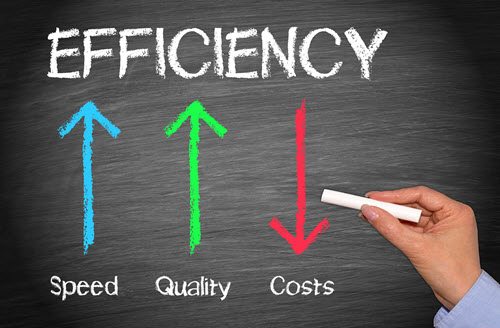
Enhancing Efficiency and Sustainability in Grain Processing
The advent of mini rice milling machines is setting a new standard for operational efficiency in grain processing. These compact units bring a myriad of advantages that help producers streamline their workflow, reduce waste, and conserve resources. With a focus on energy consumption, these machines are designed to minimize power usage while maintaining high throughput, allowing for a more productive milling process. While traditional milling systems require expansive spaces and significant energy input, mini machines represent a shift toward more sustainable practices by:
- Reducing physical footprint: Their compact design allows for installation in smaller areas, making them accessible to farms and small-scale processing units.
- Lowering energy consumption: Advanced technology enables greater processing efficiency, ensuring that less energy is expended during operation.
- Minimizing waste: Enhanced separation techniques lead to higher yields and less loss of grain, reinforcing a commitment to sustainable practices in agriculture.
Furthermore, the versatility of mini rice milling machines allows farmers to diversify their product offerings, adjusting with ease to market demands. Implementing these advanced systems not only fosters local economies by providing small producers with the ability to offer fresher, high-quality products but also promotes greater self-sufficiency in food production. The benefits can be summarized in the following comparison:
| Traditional Milling Systems | Mini Rice Milling Machines |
|---|---|
| Large physical footprint | Compact and space-efficient |
| High energy consumption | Low energy usage |
| High waste production | Significantly less waste |
| Requires large investment | More cost-effective and accessible |
the transition to mini rice milling machines signifies an innovative leap forward, merging productivity with eco-conscious efforts. By embracing these technologies, stakeholders in the grain processing industry can contribute to a more sustainable future while responding effectively to the needs of an evolving market. The impact is not merely economic—it extends to the environmental domain, fostering practices that prioritize the health of our planet as much as the success of our agricultural endeavors.
Market Trends Shaping the Mini Rice Milling Landscape
As the demand for efficient and compact rice processing solutions grows, several market trends are reshaping the landscape of mini rice milling machines. Sustainability is at the forefront, as consumers increasingly prefer products that are both environmentally friendly and energy-efficient. Mini rice milling machines, designed to minimize waste and maximize output, cater to this demand by employing advanced technologies that reduce energy consumption while enhancing productivity. Additionally, the move towards local sourcing has gained momentum; small-scale farmers are now more inclined to use localized processing tools that allow them to process their own rice, reducing transportation costs and promoting regional economies.
The evolution of technology is another significant trend influencing this sector. Innovations like automated systems and real-time monitoring have improved the precision and consistency of rice milling, allowing operators to achieve better quality outputs with less effort. Moreover, the growing popularity of digital platforms for purchasing and servicing equipment has made it easier for operators to access current models and technical support. The availability of affordable financing options further supports smallholders, enabling them to invest in high-quality mini rice milling machines that were once beyond their reach, thus driving a wave of modernization within the agricultural sector.
Practical Guidance for Adopting New Milling Technologies
For businesses considering the transition to mini rice milling machines, it’s crucial to evaluate both the technology and the infrastructure that supports it. Begin by assessing your current operations to identify bottlenecks that can be alleviated with new machinery. Engage with suppliers to obtain detailed specifications on energy consumption, output capacity, and maintenance requirements. Key factors to consider include:
- Production efficiency: Compare output rates under varying conditions to find the best fit for your production scale.
- Cost of ownership: Analyze both initial investment and long-term operational costs to align with your financial goals.
- Technological support: Ensure there is a robust support system for installation and ongoing maintenance to minimize downtime.
Moreover, training your staff is an essential step in successfully integrating this technology. Develop a comprehensive training program that covers not only the operation of the machines but also the safety protocols and quality control standards associated with rice milling. Consider establishing partnerships with local technical institutes to provide your employees with hands-on experiences. To streamline this process, create a training schedule that includes:
| Training Session | Duration | Objective |
|---|---|---|
| Machine Operation | 3 Days | Hands-on equipment training |
| Quality Control | 2 Days | Understanding standards and testing |
| Maintenance Procedures | 2 Days | Scheduled maintenance and troubleshooting |
By thoroughly planning these elements, businesses can ensure a smoother transition to mini rice milling technology, leading to enhanced productivity and long-term benefits.
In Conclusion
As we stand at the crossroads of agricultural innovation, the emergence of mini rice milling machines signals a transformative shift in grain processing. These compact marvels not only elevate efficiency but also empower small-scale farmers, enabling them to transform their own produce with greater autonomy and sustainability. By bridging the gap between tradition and technology, mini rice milling machines are poised to enhance food security while fostering economic growth in rural communities. As we look to the future, embracing these advancements will be essential for a resilient agricultural landscape, ensuring that every grain of rice contributes not just to our plates, but to the livelihoods and prosperity of those who grow it. In this evolving narrative of grain processing, the journey has just begun, and the possibilities are as wide as the fields from which these grains are harvested.




