
In the ever-evolving landscape of agricultural innovation, the quest for efficiency and sustainability has led to the emergence of a transformative solution: mini rice mill plants. As global demand for rice continues to escalate, driven by population growth and changing dietary preferences, traditional milling practices are being reimagined. The rise of these compact, versatile milling facilities presents a promising opportunity for farmers, entrepreneurs, and communities alike. By streamlining production processes and enhancing local economies, mini rice mills are not just reshaping the way we approach grain processing; they are cultivating a new era of agricultural resilience and adaptability. This article delves into the myriad benefits of optimizing grain production through mini rice mill plants, exploring their impact on productivity, cost-effectiveness, and sustainability in the rice industry. Join us as we uncover how this seemingly small innovation is making big waves in the world of grain production.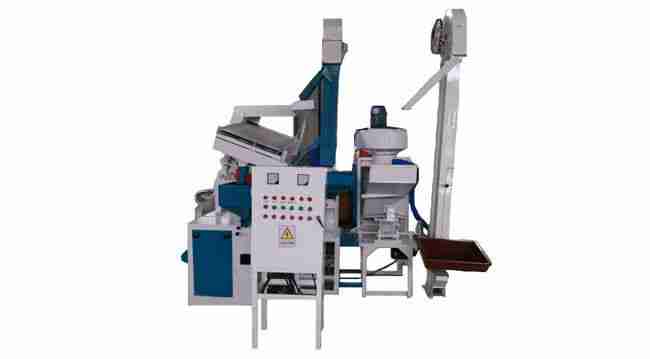
Understanding the mini rice mill Plant Concept and Its Advantages
The concept of mini rice mill plants revolves around the integration of advanced technology into smaller-scale production facilities. These compact mills are designed to cater to the needs of local farmers and small-scale rice producers, making rice milling more accessible and efficient. By leveraging modern machinery, mini rice mills streamline the process of converting paddy into polished rice, offering a range of benefits that traditional large-scale mills may not provide. Key features of mini rice mill plants include:
- Compact Design: Occupying less space, they can be installed in rural areas, reducing transportation costs.
- Cost-Effective: Lower investment and operational costs make them feasible for small businesses or cooperatives.
- Efficient Processing: Advanced technologies ensure minimal wastage and higher yields of quality rice.
- Versatile Operations: Capable of milling different rice varieties, these plants can adapt to local demands.
The advantages of investing in mini rice mill plants are manifold, particularly in enhancing the economic viability of local agricultural communities. A notable benefit is the reduction of post-harvest losses, as farmers gain immediate access to milling facilities, thus preventing spoilage of harvested paddy. Additionally, local processing creates jobs and stimulates the economy. Below is a concise overview of the benefits:
| Advantage | Description |
|---|---|
| Local Empowerment | Empowers local farmers by providing them direct access to milling. |
| Quality Control | Ensures high-quality rice production based on local standards. |
| Environmental Impact | Reduced emissions from decreased transportation requirements. |

Key Technologies Driving Efficiency in Mini Rice Milling Systems
In the evolving landscape of rice milling, technology plays a pivotal role in enhancing productivity and reducing operational costs. Mini rice milling systems leverage sophisticated machinery that integrates automation and precision to streamline processes. Notable technological advancements include:
- Automated Milling Machines: These machines employ sensors and self-regulating systems to ensure optimal processing times and consistent grain quality.
- Husk and Bran Removal Technology: Innovative systems effectively separate husks and bran from rice while minimizing grain breakage.
- Energy-efficient Motors: The use of energy-saving motors reduces power consumption, making operations more sustainable.
Moreover, the incorporation of data analysis tools allows small-scale millers to monitor output and efficiency closely, leading to better management decisions. By harnessing real-time data, operators can optimize production schedules and maintenance plans based on actual performance metrics. Key features include:
- Remote Monitoring Systems: These facilitate oversight and adjustments from a distance, ensuring constant workflow.
- Predictive Maintenance: Using machine learning algorithms to forecast equipment failures, helping to avoid downtimes.
| Feature | Benefit |
|---|---|
| Automated Calibration | Ensures perfect grain sorting and quality. |
| Real-time Data Analysis | Informs necessary adjustments instantly. |
| Compact Design | Facilitates installation in limited spaces. |
Best Practices for Setting Up and Managing a mini rice mill Plant
Establishing and managing a mini rice mill plant requires careful consideration of several factors to ensure efficiency and productivity. Proper site selection is crucial; your plant should be easily accessible to farmers and near reliable water and electricity sources. Additionally, consider the layout of your facility to minimize handling and transportation times, which can significantly affect overall efficiency. Other essential aspects include:
- Machinery Selection: Choose high-quality, energy-efficient machinery that suits your production scale.
- Workforce Training: Invest in training for your staff to operate the equipment safely and efficiently.
- Quality Control: Implement stringent quality control measures to maintain high standards of your rice products.
Managing your mini rice mill plant effectively involves monitoring production processes and adjusting them as needed. Regular maintenance of machinery should be prioritized to prevent downtime; keeping a maintenance log can be beneficial. It’s also important to manage inventory effectively, ensuring that the supply of raw materials aligns with production schedules. Consider utilizing a table to plan out your daily production schedule:
| Day | Raw Rice Input (kg) | Processed Rice Output (kg) | Maintenance Tasks |
|---|---|---|---|
| Monday | 2000 | 1800 | Inspect grain dryer |
| Tuesday | 1500 | 1400 | Clean milling equipment |
| Wednesday | 2500 | 2300 | Check quality control instruments |
Market Trends and Economic Impact of Mini Rice Mills on Local Communities
The rise of mini rice mills is significantly shaping the agricultural landscape, particularly in rural areas where grain production is a primary livelihood. Local communities are experiencing a transformation brought about by the accessibility of these small-scale milling plants. Not only do they provide farmers with an opportunity to process their own rice efficiently, but they also lead to economic diversification. With the reduction in processing costs and time, farmers can channel their resources toward other agricultural ventures, leading to increased productivity. The following points illustrate the implications for local economies:
- Job Creation: Mini rice mills create employment opportunities for locals, ranging from operations to maintenance.
- Increased Income: Farmers can sell processed rice directly, often fetching better prices compared to raw grain.
- Enhanced Food Security: Local processing contributes to a stable food supply in the region, reducing dependency on external sources.
Furthermore, the establishment of these mills fosters community development through technological innovation and collaborative partnerships. As small-scale farmers come together to invest in and manage mills, they gain a collective bargaining power that enhances their market position. The local economy benefits from reinvested profits and a reduction in post-harvest losses. To further illustrate the economic upliftment, the following table summarizes potential financial metrics related to mini rice mill operations:
| Metric | Before Mini Mills | After Mini Mills |
|---|---|---|
| Processing Cost per Ton | $200 | $100 |
| Average Selling Price per Ton | $400 | $550 |
| Number of Jobs Created | 0 | 10-15 |
Insights and Conclusions
As we conclude our exploration into the burgeoning world of mini rice mill plants, it becomes clear that these innovative facilities symbolize more than just modernization in grain production; they embody the spirit of agricultural resilience and sustainability. By streamlining operations, minimizing waste, and enhancing accessibility, mini rice mills are not only boosting local economies but also empowering farmers to take control of their harvests.
As we look ahead, the potential for these compact powerhouses to transform the landscape of rice production seems limitless. As industry stakeholders continue to invest in technology, research, and infrastructure, we may witness a new era of food security and agricultural sustainability. Ultimately, the rise of mini rice mill plants reflects an evolving understanding of how we can align modern agricultural practices with the needs of communities—ensuring that the grains that nourish us are produced efficiently and responsibly.
In this ongoing quest for optimization, the journey has only just begun. The future of grain production is bright, and with each small mill, we inch closer to a more sustainable and equitable agricultural system.




