
In the ever-evolving landscape of agriculture and food processing, efficiency has become the cornerstone of innovation. As global demands for rice—a staple food for over half the world’s population—continue to surge, traditional milling methods are facing mounting pressure. Enter mini rice milling machines, a burgeoning technology poised to transform the way farmers and millers operate. Compact, cost-effective, and remarkably efficient, these machines are bridging the gap between smallholder producers and the wider market, allowing them to reap the benefits of modern milling techniques without the capital-intensive investment typically associated with larger operations. In this article, we explore the rise of mini rice milling machines, examining their impact on efficiency, sustainability, and the broader agricultural landscape. Join us as we delve into this fascinating development that is reshaping the rice milling industry and offering new opportunities for millions worldwide.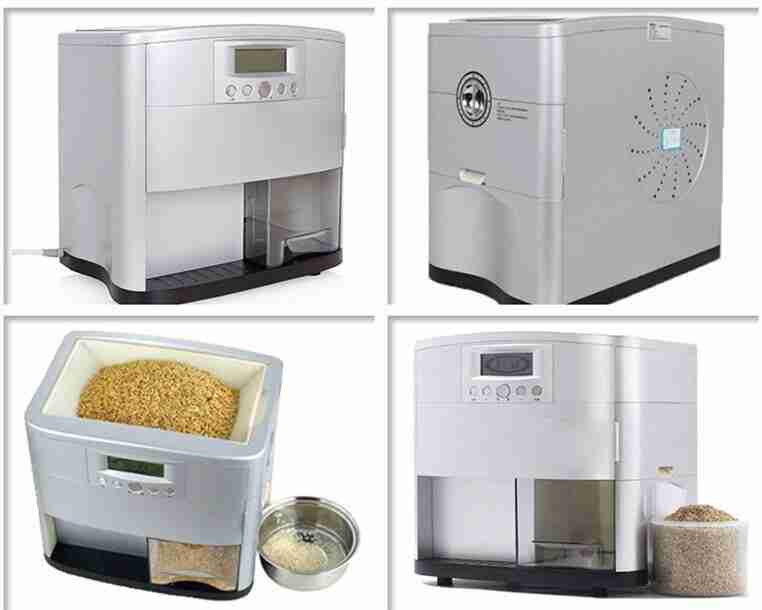
Understanding Mini Rice Milling Machines and Their Impact on Production
Mini rice milling machines have revolutionized the agricultural sector, particularly for smallholder farmers. Their compact design and ease of use allow for quick processing of harvested rice, significantly reducing the time between harvest and market readiness. The key features of these machines include:
- Portability: Many mini rice mills are lightweight and easily transportable, enabling farmers to use them in remote locations.
- Energy Efficiency: Designed to consume less power, they are perfect for locations with limited electricity supply.
- Multi-functionality: Some machines not only mill rice but also perform husking and polishing in a single operation, streamlining the process.
The impact of these machines on rice production cannot be overstated. By enhancing processing efficiency, they help increase the market value of the rice. As a result, smallholder farmers can enjoy better prices and improved profit margins. Here’s a simple comparison illustrating the advantages of mini rice milling machines over traditional methods:
| Aspect | Traditional Milling | Mini Rice Milling Machines |
|---|---|---|
| Processing Time | Hours | Minutes |
| Energy Consumption | High | Low |
| Labor Requirement | More manpower needed | Reduced manpower |
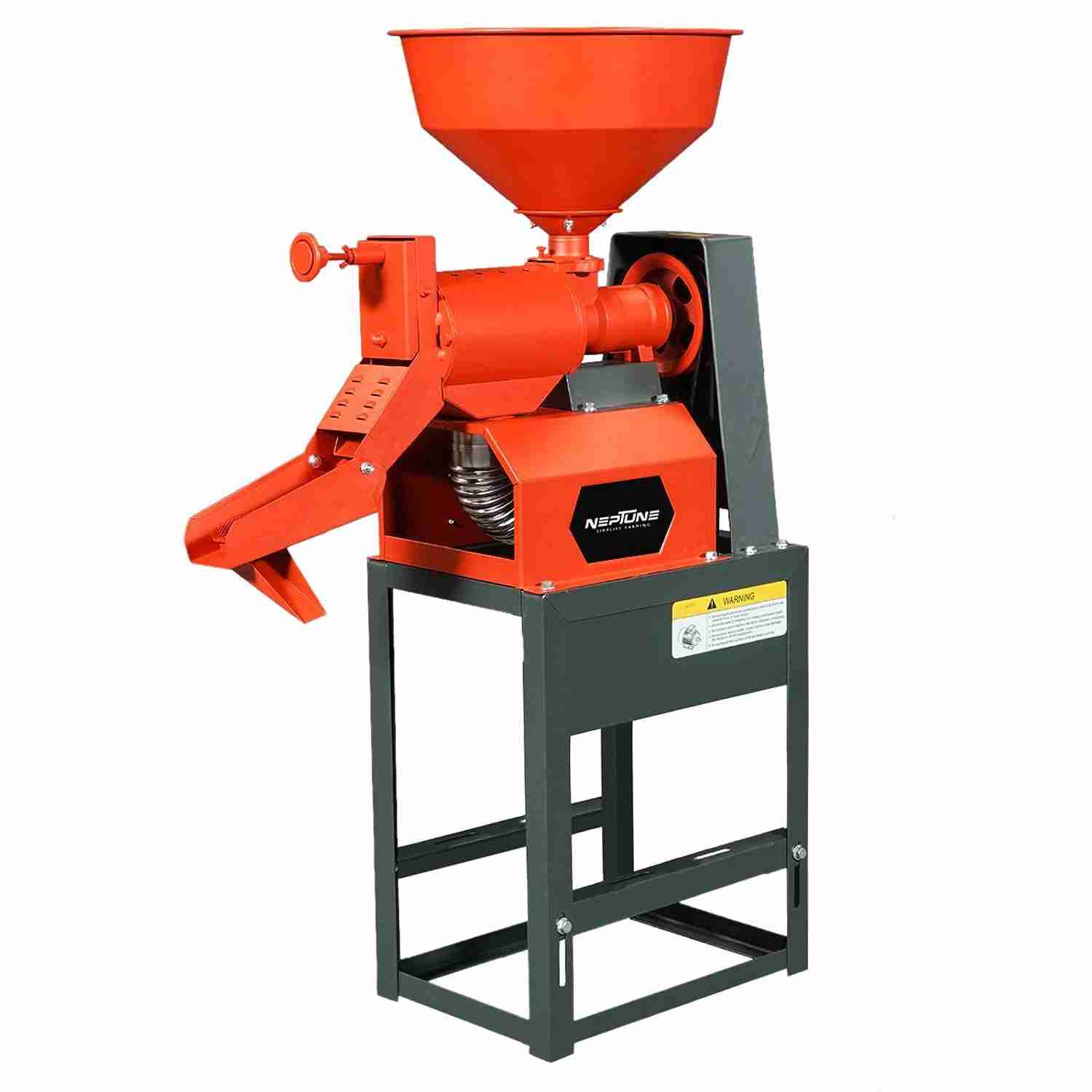
Key Features that Enhance Performance and Efficiency in Mini Rice Mills
The advancement of mini rice milling machines has transformed the landscape of grain processing, enabling small-scale farmers and entrepreneurs to significantly increase their productivity. These machines are designed with multi-functional capabilities, allowing for various stages of rice processing, from husking to polishing, all within a compact unit. This not only saves time but also minimizes the need for manual labor, thereby reducing operational costs. Key features such as automated feeding systems, energy-efficient motors, and low noise operations contribute to a more streamlined workflow, making these mills an attractive option for sustainable farming practices.
Moreover, the integration of smart technology in mini rice mills has paved the way for enhanced monitoring and management. Features such as built-in moisture sensing, automatic temperature controls, and data logging capabilities allow operators to maintain high-quality standards and adjust processing parameters in real time. This technological sophistication ensures optimal performance and consistent output, ultimately leading to increased profitability. The following table outlines some of the standout features that contribute to the efficiency of mini rice mills:
| Feature | Description |
|---|---|
| Compact Design | Easy installation in small spaces, ideal for local farmers. |
| Low Power Consumption | Energy-efficient motors that reduce operational costs. |
| Automated Functions | Reduces manual intervention and enhances processing speed. |
| Durable Construction | Built to withstand rigorous use while ensuring longevity. |

Cost-Effectiveness and Sustainability: Why Mini Rice Milling is the Future
Mini rice milling machines are increasingly being recognized for their cost-effectiveness and sustainability, making them a game changer in the agriculture sector. These compact machines offer a lower initial investment compared to traditional milling systems, which often require significant capital and maintenance costs. For smallholder farmers and rice producers, the economic advantages of mini mills are notable. They provide an efficient milling solution with reduced labor costs, enabling farmers to maximize productivity without overwhelming their budgets. Additionally, by serving local communities, these machines help keep profits within the region, boosting the local economy.
Sustainability is another vital aspect of mini rice milling technology. Small-scale milling reduces energy consumption due to their optimized design and smaller operational footprint, making them environmentally friendly. Moreover, they minimize waste by efficiently utilizing rice husks and by-products, which can be repurposed as biofuel or fertilizers. This circular economy model fosters resource efficiency, encouraging farmers to embrace more sustainable practices. As the global demand for rice continues to rise, promoting the use of mini rice milling machines could be crucial for achieving not only economic viability but also environmental resilience in the agriculture sector.
Practical Tips for Selecting and Maintaining Your Mini Rice Milling Machine
When choosing a mini rice milling machine, there are several crucial factors to consider to ensure you select the best model for your needs. First, evaluate the capacity of the machine, as it should match your production requirements. A machine with a capacity of 400–800 kg/h might suffice for small businesses, while larger operations may need machines capable of processing upwards of 1,500 kg/h. Next, consider the power consumption; a more energy-efficient model can significantly reduce operating costs over time. Features such as ease of operation, maintenance needs, and available warranty programs are also vital in making an informed decision. It’s beneficial to read customer reviews and seek recommendations from those already using these machines.
Maintaining your mini rice milling machine is just as crucial as selecting the right one. Regular maintenance ensures longevity and optimal performance. Follow these practices to keep your machine in top shape:
- Clean the machine thoroughly after each use to prevent rice husks and other debris from accumulating.
- Lubricate moving parts as recommended by the manufacturer to minimize wear and tear.
- Conduct monthly inspections to check electrical connections and mechanical components for any signs of wear.
- Replace worn-out parts promptly to avoid mechanical failures that can disrupt production. Keeping an organized maintenance schedule can also help you track service intervals and make timely replacements.
| Maintenance Task | Frequency |
|---|---|
| Cleaning | After Each Use |
| Lubrication | Weekly |
| General Inspection | Monthly |
| Parts Replacement | As Needed |
Future Outlook
As we conclude our exploration of mini rice milling machines, it’s clear that these compact marvels are not merely a trend but a response to the evolving demands of the agricultural landscape. Their rise signifies a shift towards greater efficiency, sustainability, and accessibility in rice production, allowing farmers—both large and small—to optimize their operations without compromising quality.
In a world where every grain counts, mini rice milling machines stand as testament to innovation, proving that sometimes, less truly is more. As technology continues to advance and our understanding of efficiency deepens, these machines will likely play an increasingly pivotal role in agricultural practices around the globe.
Whether you’re a farmer seeking to enhance your productivity or an industry enthusiast curious about the future of food processing, it’s worth keeping an eye on these remarkable machines. The journey toward maximized efficiency is just beginning, and mini rice milling machines are leading the way—small in size, but monumental in impact.




