
In the heart of rural landscapes, where lush green fields sway in unison under the gentle embrace of the sun, a quiet revolution is taking root. The traditional image of farming is evolving, and at the forefront of this transformation is a remarkable innovation: mini rice mill plants. These compact facilities are not just changing the way rice is processed; they are redefining the economic landscape for smallholder farmers and communities alike. As globalization pushes the agricultural sector towards efficiency and sustainability, mini rice mills are stepping in as beacons of opportunity. This article explores the rise of these small-scale powerhouses, delving into their benefits, challenges, and the crucial role they play in empowering farmers, enhancing food security, and promoting sustainable agricultural practices. Join us as we harvest the stories of ingenuity that are sprouting in the fields, fostering a brighter future for food production.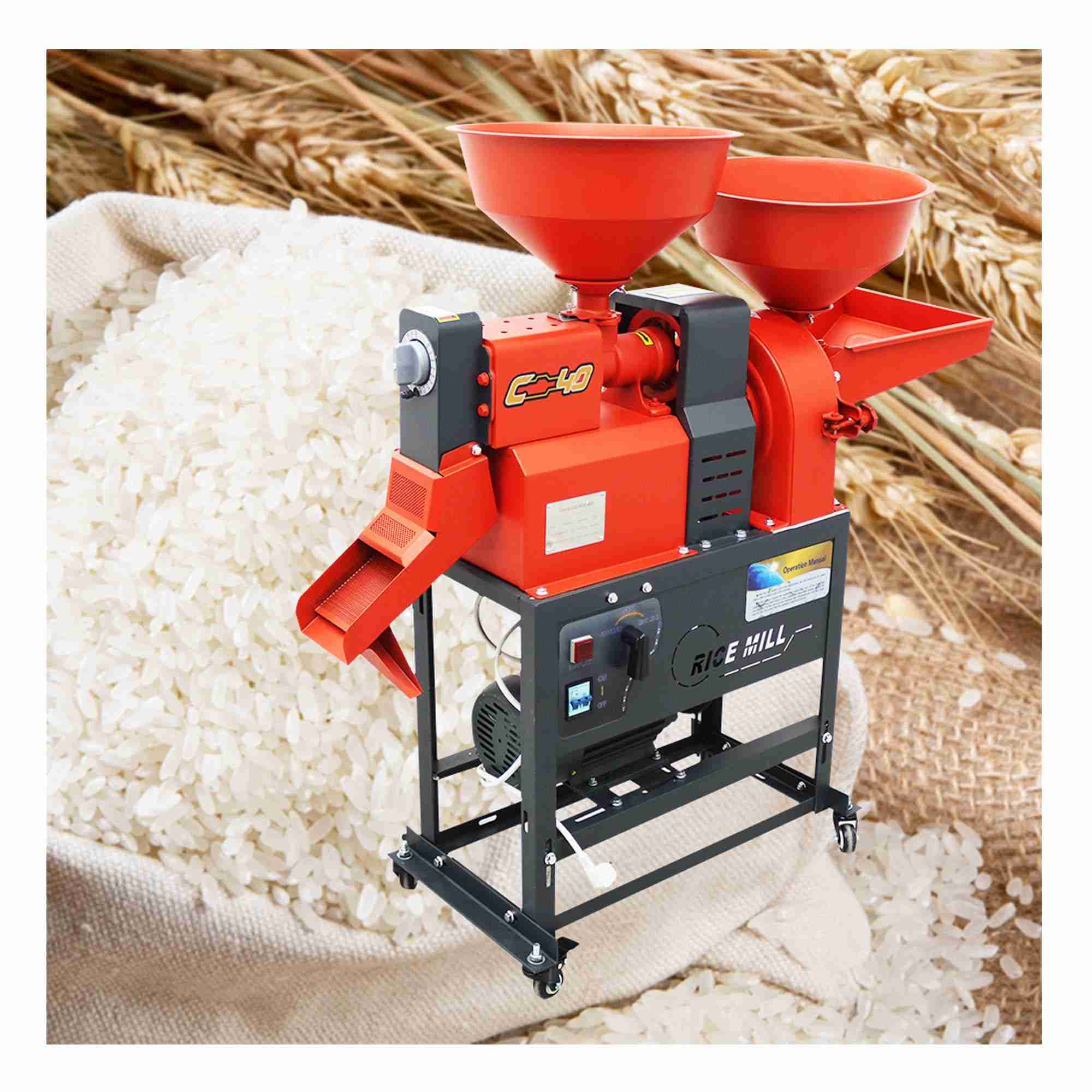
Understanding the mini rice mill Revolution and Its Impact on Local Economies
The mini rice mill revolution is fundamentally reshaping the agricultural landscape, particularly in developing regions. These compact and efficient mills are not only enabling smallholder farmers to process their harvests on-site but also significantly reducing the cost and time associated with rice milling. By offering improved efficiency, reduced wastage, and greater control over the milling process, these plants empower local communities to take charge of their produce. The decentralization of rice processing fosters a closer connection between producers and consumers, thereby enhancing food security and stability in local markets.
The integration of mini rice mills into local economies yields a ripple effect that stimulates growth in various sectors. For instance, these plants often become hubs of employment, creating jobs for mill operators, maintenance personnel, and support staff. Additionally, they can spur the growth of local businesses, such as packaging suppliers and transportation services. The benefits extend to farmers, who receive higher profit margins due to lower milling costs and the ability to sell raw and processed rice directly to consumers.
- Local Job Creation: Increased employment through mill operations and support services.
- Higher Profit Margins: Farmers retain more income by reducing processing costs.
- Stronger Market Ties: Innovations bolster relationships between producers and consumers.
| Benefits | Impact |
|---|---|
| Job Creation | Enhanced local employment rates. |
| Market Access | Improved farmer-to-consumer sales channels. |
| Quality Control | Higher standards of product quality and safety. |
Essential Features of Mini Rice Mills: Enhancing Efficiency and Accessibility
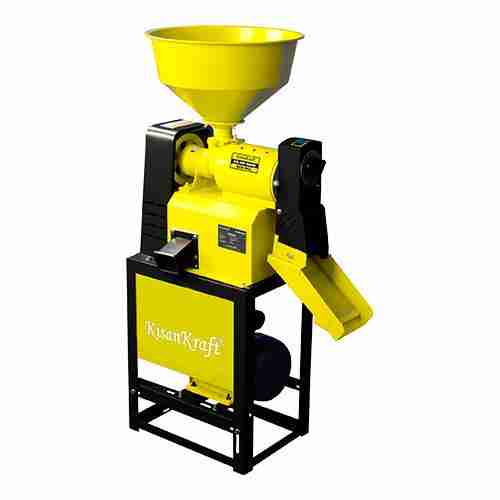
Mini rice mills have emerged as game-changers in the agricultural sector, offering a plethora of features that significantly enhance both operational efficiency and accessibility for farmers. These mills are compact and user-friendly, designed to cater to small-scale farmers who wish to process rice on-site. Key benefits include:
- Compact Design: Requires minimal space, making it suitable for small farms.
- Energy Efficiency: Typically consumes less power compared to larger mills, reducing operating costs.
- High Processing Rate: Capable of producing a significant amount of rice in a short duration, catering to increased demand.
- Ease of Operation: Simple controls make it accessible for users with varying levels of experience.
- Diverse Functionality: Some models include attachments for husking, polishing, and even grinding, providing multipurpose utility.
Furthermore, these mills enhance the sustainability of rice production by promoting local processing, which reduces transportation costs and time. The ability to produce high-quality rice with minimal waste also contributes to better resource management. Below is a comparison of popular mini rice mill features:
| Feature | Standard mini rice mill | Advanced mini rice mill |
|---|---|---|
| Processing Capacity | 300 kg/hour | 500 kg/hour |
| Power Requirement | 3 HP | 5 HP |
| Additional Features | Husking, Milling | Husking, Milling, Grinding |

Strategic Approaches for Successful Implementation of mini rice mill Plants
Implementing a mini rice mill plant necessitates a blend of technical knowledge and strategic foresight. To ensure a smooth transition from concept to operational reality, stakeholders should focus on market research, local demand analysis, and a clear business plan. A deep understanding of local agricultural patterns and consumer behavior will inform the selection of rice varieties and production timelines. Engaging with local farmers and agricultural cooperatives can also develop trust and streamline supply chains, ensuring that raw material procurement is efficient and sustainable.
Furthermore, investing in technology and training plays a pivotal role in the success of these mini mills. Modern rice processing technology can significantly enhance productivity and reduce waste. Partnering with technology providers can ensure access to state-of-the-art machinery, while trained operators will optimize operations. Additionally, implementing a robust marketing strategy will highlight the benefits of freshly milled rice, appealing to health-conscious consumers. A coherent branding effort emphasizing local sourcing and quality can drive customer loyalty and establish a strong presence in the market.
| Key Element | Importance |
|---|---|
| Market Research | Identifies consumer trends and preferences |
| Technology Investment | Enhances efficiency and product quality |
| Training Programs | Ensures skilled workforce for operations |
| Marketing Strategies | Increases brand visibility and customer engagement |
Future Trends in Rice Milling Technology and Sustainable Practices
As the global demand for rice continues to surge, the need for advanced milling technology and sustainable practices has never been more pressing. The advent of mini rice mill plants represents a significant shift towards more efficient and eco-friendly production. These compact facilities utilize cutting-edge machinery that minimizes energy consumption while maximizing output quality. Innovations such as automated sorting systems and precision milling techniques are leading the way in enhancing the operational efficiency of rice milling. By adopting these modern tools, millers can not only improve their production rates but also reduce waste and optimize their resource usage.
In tandem with technological advancements, sustainable practices are becoming integral to the rice milling industry. Implementing renewable energy sources such as solar and biomass helps reduce the carbon footprint of milling operations. Additionally, many mini-mill plants are exploring water-efficient processing techniques, thereby addressing the critical issue of water scarcity in rice cultivation regions. Key trends include:
- Use of by-products: Utilizing rice husks and bran for energy or organic fertilizers.
- Waste management innovations: Developing efficient systems for recycling waste materials.
- Traceability practices: Incorporating blockchain technology to ensure transparency in sourcing.
| Trend | Description |
|---|---|
| Smart Milling | Integration of IoT for real-time monitoring and control. |
| Eco-friendly Packaging | Use of biodegradable materials to reduce plastic waste. |
| Local Sourcing | Supporting local farmers through direct procurement. |
To Wrap It Up
In the ever-evolving landscape of agriculture, the advent of mini rice mill plants emerges as a beacon of innovation and sustainability. These compact yet powerful facilities are not merely reshaping how rice is processed; they are revolutionizing the ways in which rural economies thrive and communities connect. As we’ve explored, the benefits of these mini mills extend far beyond their operational efficiency—empowering local farmers, enhancing food security, and fostering entrepreneurial spirit.
Yet, as we stand on the cusp of this agricultural transformation, it becomes clear that the journey has only just begun. The rise of mini rice mill plants represents a collective leap towards a more efficient and resilient farming future. It urges us to rethink our approaches to food production, to embrace technology without losing sight of tradition, and to foster ecosystems where innovation can blossom in harmony with the earth.
As these pioneering plants continue to sprout across the globe, they bring with them the promise of progress—a reminder that even the smallest seeds of change can yield bountiful harvests. In this intricate tapestry of agriculture, may we continue to celebrate innovation, nurture resilience, and champion the farmers who are at the heart of it all. The future of rice, and indeed agriculture as a whole, is bright, and together, we have the opportunity to cultivate a landscape rich with potential.




