
In the heart of rural landscapes and bustling agricultural hubs, a quiet revolution is taking place—one that promises to redefine the dynamics of rice production and empower small-scale farmers like never before. Enter the mini rice mill plant: a compact, efficient, and increasingly popular solution transforming how rice is processed and distributed. As the world grapples with the challenges of food security, increasing globalization, and economic fluctuations, these mini mills are emerging as beacons of hope and innovation. They not only address the pressing needs of local farmers but also foster community resilience by creating employment, enhancing productivity, and promoting sustainable practices. In this article, we will explore the rise of mini rice mill plants, their role in empowering growth at the grassroots level, and the potential they have to carve a path toward a more sustainable and equitable agricultural future. Join us as we delve into this fascinating phenomenon, unearthing the stories and impacts of these small-scale giants in the world of rice cultivation.
Understanding the Economic Impact of mini rice mill Plants
The emergence of mini rice mill plants has significantly transformed local economies, particularly in rural areas where agriculture is the backbone of livelihood. These compact processing units require lower capital investment and are therefore accessible to small entrepreneurs. The benefits of these plants extend beyond mere economic output, positively impacting community employment and skill development. As they facilitate rice processing on a smaller scale, local farmers gain direct access to markets, enabling them to retain a greater share of profits. This shift not only enhances their income but also fosters a sense of community empowerment as farmers band together to operate these mills collaboratively.
Moreover, mini rice mills contribute substantially to the overall agri-business ecosystem. By serving as a catalyst for related industries, they bolster the sales of agricultural equipment, packaging materials, and logistics services. Below are some of the key economic impacts associated with the rise of these plants:
- Job Creation: Direct employment opportunities for local workers.
- Increased Local Incomes: Farmers are able to earn more from their produce.
- Enhanced Food Security: Improved processing leads to better rice quality and availability.
- Rural Development: Stimulates infrastructure development as demand for resources grows.
| Category | Impact |
|---|---|
| Farmers | Increased profitability |
| Workers | New employment opportunities |
| Local Economy | Boost in ancillary businesses |
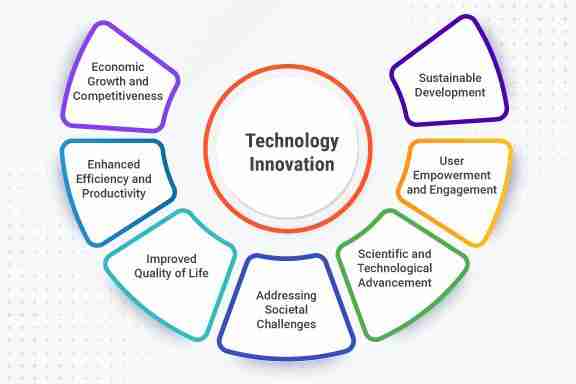
Innovative Technology Driving Efficiency and Quality in Rice Processing
At the forefront of rice processing, innovative technology plays a pivotal role in enhancing both efficiency and quality. mini rice mill plants are increasingly incorporating advanced features such as automated milling systems and integrated quality control mechanisms. This automation not only reduces labor costs but also ensures uniformity in rice output, delivering a product that meets the highest standards. The incorporation of technologies like sensor-based grading and real-time monitoring allows processors to optimize production, significantly decreasing waste and improving profitability.
Furthermore, the integration of energy-efficient machinery maximizes resource utilization while minimizing environmental impact. These compact plants are designed to operate on lower energy inputs without compromising on performance. With better accessibility due to their size, they support local farmers by reducing transportation costs associated with traditional milling options. The advantages of mini rice mills extend beyond mere functionality, fostering community growth and resilience by enhancing the overall supply chain. Below is a highlight of key technological advancements enhancing rice mill operations:
| Technology | Benefit |
|---|---|
| Automated Milling Systems | Increased productivity and reduced labor reliance. |
| Sensor-Based Grading | Improved quality control and consistency in output. |
| Real-Time Monitoring | Enhanced oversight of production processes. |
| Energy-Efficient Machinery | Lower operational costs and reduced carbon footprint. |
Navigating Challenges: Best Practices for Successful Mini Mill Operations
Successful operations of mini rice mills require a meticulous approach to managing challenges that can arise throughout the production process. First and foremost, adopting a proactive maintenance schedule is vital to ensure that machinery operates efficiently. Regular checks not only minimize breakdowns, but also enhance the longevity of equipment. Additionally, it is beneficial to invest in training programs for staff to enhance their skills in operating machinery and addressing minor issues independently. Implementing these strategies can significantly reduce downtime and improve overall productivity.
Another essential aspect of effective mini mill operations involves streamlining supply chain management. Establishing strong relationships with local farmers guarantees a consistent supply of high-quality paddy, which directly impacts the final product quality. Furthermore, employing modern technology can optimize inventory control, allowing for accurate tracking of raw materials and finished products. This can help in managing costs effectively, as demonstrated in the table below:
| Strategy | Benefits |
|---|---|
| Proactive Maintenance | Reduces downtime, increases machinery lifespan |
| Staff Training | Enhances operational efficiency, minimizes errors |
| Strong Supplier Relationships | Ensures quality raw materials, stabilizes production |
| Inventory Management Technology | Improves cost management, prevents stockouts |
Sustainable Practices: The Role of Mini Rice Mills in Environmental Conservation
Mini rice mills present an innovative approach to rice production that not only boosts local economies but also contributes significantly to environmental sustainability. By employing energy-efficient technologies and minimizing waste, these mills play a pivotal role in reducing the carbon footprint associated with traditional large-scale rice milling operations. The adoption of sustainable practices ensures that the process is not only economically viable but also ecologically responsible. Key advantages include:
- Reduced Resource Consumption: Mini mills typically utilize less water and power, ensuring that natural resources are conserved.
- Waste Minimization: By-products such as rice husk can be repurposed for biomass energy or organic fertilizers, promoting a circular economy.
- Local Sourcing: Sourcing raw materials locally reduces transportation emissions and supports community agriculture.
Furthermore, the small-scale nature of these mills fosters a more resilient food system. Local farmers are empowered as they can leverage the proximity to processing facilities, ensuring fresher produce and better price margins. The community-centered approach encourages collaboration and knowledge-sharing, thus promoting sustainable farming practices among nearby cultivators. To illustrate the impact of mini rice mills on the environment and economy, consider the following comparison of traditional vs. mini mills:
| Aspect | Traditional Rice Mills | Mini Rice Mills |
|---|---|---|
| Energy Consumption | High | Low |
| Waste Generated | More | Less |
| Transportation Emissions | Higher | Lower (local) |
| Local Economic Impact | Limited | Significant |
To Conclude
As we conclude our exploration of the burgeoning trend of mini rice mill plants, it becomes evident that this innovation is more than just a technological advancement—it’s a catalyst for empowerment and growth. By streamlining operations and enhancing accessibility, these compact mills are reshaping the rice industry landscape, fostering entrepreneurship, and transforming livelihoods in communities worldwide.
The rise of mini rice mill plants not only reflects a commitment to sustainable practices but also highlights the importance of localized production in a global economy. As farmers and small business owners harness this potential, they are not merely adapting to change; they are driving it, creating a ripple effect that touches every aspect of the rice supply chain.
Looking to the future, the promise of mini rice mill plants shines bright. As these innovations continue to gain traction, they will undoubtedly inspire further advancements and partnerships that uplift entire communities. Empowering growth is a journey that requires collaboration, creativity, and resilience—qualities that the advent of these plants embodies.
In this dynamic landscape, one can only imagine the possibilities that lie ahead as we embrace the synergy of technology and tradition, ultimately paving the way for a sustainable and prosperous future in the rice industry. The seeds of change have been sown; it’s time to nurture growth.




