
In the heart of agricultural innovation, a quiet revolution is taking root—one that promises to transform the landscape of rice production and processing. Enter the era of combine mini rice mills, a forward-thinking solution designed to marry efficiency with sustainability in small-scale farming. As the world grapples with increasing food demands and a growing emphasis on local sourcing, these compact milling systems are stepping into the spotlight, poised to empower farmers and invigorate rural economies. With their ability to streamline operations and reduce waste, combine mini rice mills not only optimize milling processes but also pave the way for a more resilient agricultural future. This article delves into the rise of these ingenious machines, exploring their impact on rice production, the environment, and the livelihoods of farmers around the globe. Join us as we navigate through this innovative landscape, uncovering the potential that lies within the efficient milling revolution.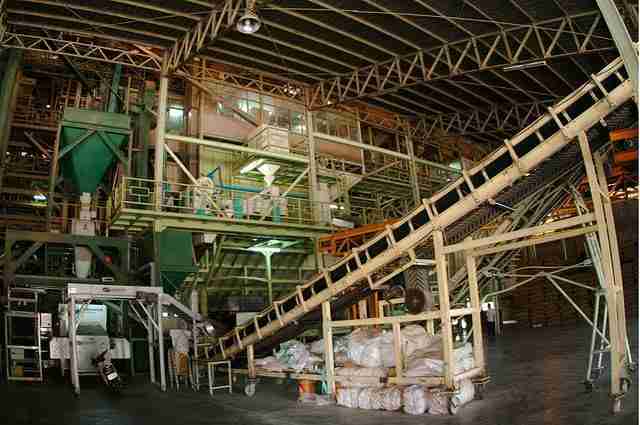
The Transformation of Rice Milling: How Mini Mills Are Changing the Game
The introduction of combine mini rice mills has revolutionized the rice milling landscape, particularly in rural and small-scale farming settings. These compact machines combine several milling processes into one, significantly reducing the time and effort involved in traditional rice processing. By efficiently performing tasks such as husking, whitening, and polishing, mini mills streamline operations, allowing farmers to maximize their output and profitability. Some advantages of these innovative milling solutions include:
- Space-saving Design: Their compact nature means they can be easily integrated into small farms and milling units.
- Cost-Effectiveness: With lower operating costs and energy consumption, mini mills make rice processing accessible to even the smallest producers.
- Enhanced Quality: These machines ensure better quality rice by minimizing the damage during the milling process.
Moreover, the rise of combine mini rice mills has fostered an environment where local economies can flourish. By empowering farmers to process their own rice, these mills reduce dependency on large-scale milling operations, which can often lead to higher costs and longer wait times. Better yet, mini mills often come equipped with user-friendly interfaces and support systems that help local operators understand and utilize the technology effectively. This local empowerment can lead to:
| Benefit | Impact |
|---|---|
| Job Creation | Increased employment opportunities within local communities. |
| Revitalization of Rural Areas | Encourages economic activity and attracts investment. |
| Quality Control | Improved control over the milling process leads to better rice quality. |

Empowering Smallholders: The Economic Benefits of Combine Mini Rice Mills
The introduction of combine mini rice mills has transformed the landscape for smallholder farmers, providing them with unprecedented economic advantages. These compact milling units enable small-scale producers to process their own rice, significantly reducing reliance on commercial milling facilities. By owning and operating their own mills, farmers can achieve greater cost efficiency, which translates into better profit margins. Key benefits include:
- Lower Transportation Costs: Farmers save on expenses related to transporting paddy to distant milling facilities.
- Improved Grain Quality: Milling at home allows farmers to control the processing conditions, leading to better quality rice.
- Value Addition: Farmers can market rice directly, enhancing profitability.
- Job Creation: These mini mills create local employment opportunities in rural areas.
Moreover, the operational flexibility offered by combine mini rice mills empowers smallholders to optimize their production schedules and cater to the local market demands. The adoption of these mills also encourages cooperative models where farmers can band together, sharing resources and knowledge. The resulting economies of scale can further reduce costs and improve competitiveness. To illustrate these impacts:
| Parameter | Before Mini Mills | After Mini Mills |
|---|---|---|
| Profit Margin (%) | 20 | 40 |
| Transportation Cost (per kg) | $0.10 | $0.02 |
| Quality (Grain) Score | 70 | 90 |
This combination of benefits not only enhances the economic viability of smallholder farming but also contributes to rural development and food security, demonstrating the powerful potential of advanced milling technologies.
Technological Advancements Driving mini rice mill Efficiency
The landscape of rice milling has undergone a seismic shift with the infusion of cutting-edge technology into mini rice mills. Automation plays a critical role in enhancing operational efficiency as precision machinery reduces manual labor and minimizes the risk of human error. By implementing sensor-based systems, these mills can monitor grain quality and moisture levels in real-time, allowing for optimal processing conditions. This technology not only maximizes output but also ensures that the rice produced meets stringent quality standards.
Additionally, the integration of energy-efficient motors and advanced milling techniques has significantly cut down energy consumption while increasing throughput. Operators can now benefit from smart control interfaces, which facilitate easier monitoring and adjustments, thus improving workflow. The result is a comprehensive, streamlined milling process that not only boosts productivity but also minimizes waste. Below is a summary of key technological advancements enhancing mini rice mill efficiency:
| Technology | Benefits |
|---|---|
| Automation | Reduces manual labor, minimizes errors |
| Sensor-based Monitoring | Ensures optimal processing conditions |
| Energy-efficient Motors | Decreases energy consumption |
| Smart Control Interfaces | Facilitates workflow management |
Sustainable Practices in Mini Rice Milling: A Path Forward for Agriculture
In the quest for sustainable agriculture, mini rice milling presents numerous eco-friendly advantages that cater to both environmental preservation and economic viability. By implementing energy-efficient technologies, these mills significantly reduce the carbon footprint associated with traditional milling practices. For instance, the incorporation of solar power and biofuels allows for a more renewable approach to energy consumption, leading to greener operations. Key sustainable practices include:
- Waste Management: Utilizing rice husks and bran as biomass fuel or organic fertilizer.
- Water Conservation: Adopting water-efficient cooling and processing systems.
- Local Sourcing: Supporting local farmers to minimize transportation emissions.
Moreover, the design of combine mini rice mills emphasizes efficiency and resource optimization. These mills streamline operations by combining various milling processes into a single, compact unit, which not only enhances productivity but also ensures minimal waste generation. As farmers turn to these self-contained systems, they can enjoy reduced operational costs and improved profitability. Below is a simple comparison showcasing the benefits of traditional milling versus mini rice milling in terms of sustainability:
| Feature | Traditional Milling | Mini Rice Milling |
|---|---|---|
| Carbon Emissions | High | Low |
| Energy Consumption | Higher | Lower |
| Waste Generation | Significant | Minimal |
By embracing these sustainable practices, mini rice milling not only contributes to a healthier planet but also equips farmers with the tools necessary for resilient agricultural practices. This innovative approach highlights the potential for modernization to coexist with ecological responsibility, fostering a brighter future for rural communities.
In Conclusion
As we conclude our exploration of the Efficient Milling Revolution and the emergence of combine mini rice mills, it’s clear that this technological advancement marks a significant milestone in the agricultural landscape. By combining efficiency, versatility, and accessibility, these innovative machines are not just reshaping the way we process rice; they are redefining the livelihoods of countless farmers and small-scale mill owners around the world.
The rise of combine mini rice mills is more than just an economic shift; it symbolizes a commitment to sustainability, food security, and the empowerment of local communities. As we move forward, it will be intriguing to see how these mills adapt to the evolving agriculture sector and further integrate into global food systems.
In a world where every grain counts, the efficient milling revolution stands as a testament to human ingenuity and perseverance. With each turn of these compact machines, there’s the promise of a better tomorrow—not just for rice producers, but for generations yet to come. The journey is just beginning, and the possibilities are as boundless as the fields of golden rice that await harvest.




