
In a world where agricultural innovation is paramount to sustain growing populations, the quest for efficiency in food production has never been more critical. Among the myriad crops that nourish us, rice stands out as a staple food for billions. However, the journey from paddy to plate is often hampered by outdated processing techniques that can lead to significant losses in both time and quality. Enter the mini rice milling machine—an emerging solution that promises to revolutionize the grain processing landscape. This article delves into the intricate workings and innovations behind these compact yet powerful machines, examining their impact on local economies, farmer livelihoods, and the broader rice supply chain. Join us as we explore how these technological advances are not only simplifying the milling process but also fostering a more sustainable approach to rice production.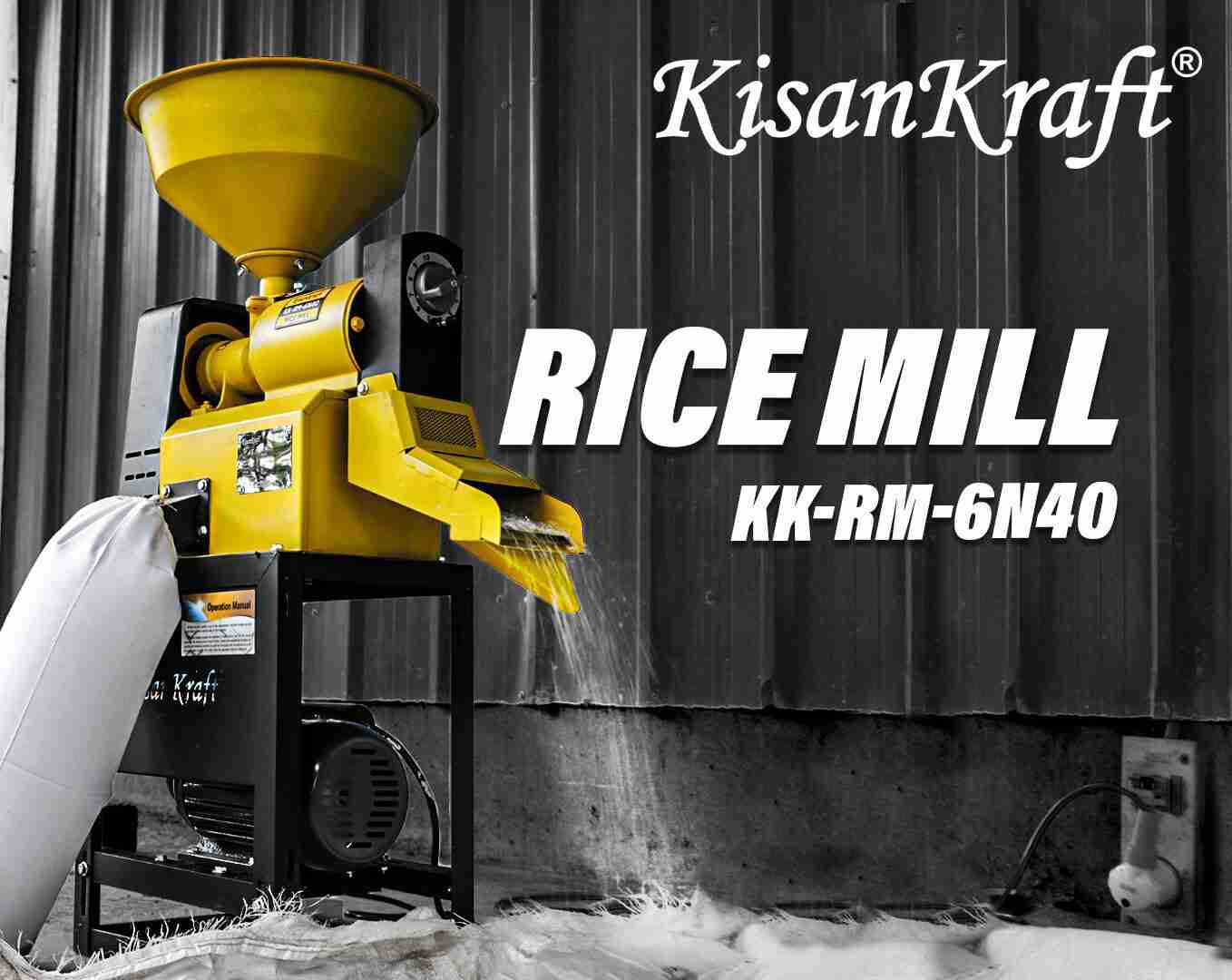
Understanding the Mechanisms of Mini Rice Milling Machines
Mini rice milling machines are marvelously efficient tools designed to streamline the grain processing experience. At their core, these machines utilize a combination of mechanical and electronic components to perform several key functions, including husking, whitening, and polishing. The process begins with husk removal, where raw rice grains are passed through a series of abrasive rollers or a friction-based husker. This initial step is crucial, as it removes the outer husk without damaging the fragile inner grain. Following husking, the whitening stage employs a series of polishing chambers, where the rice is subjected to controlled friction and airflow to refine its appearance and texture. The optimal balance of speed and pressure ensures a consistent grain finish while minimizing the loss of broken grains.
Furthermore, modern mini rice milling machines are equipped with advanced features that enhance their functionality and user-friendliness. These machines often come with adjustable settings that allow operators to fine-tune the milling process according to the type of rice being processed and the desired degree of polishing. Some additional features include:
- Energy efficiency: Designed to consume less power while maximizing output.
- Compact design: Space-saving models ideal for small-scale farmers or urban environments.
- Ease of maintenance: Components that can be quickly accessed for cleaning and servicing.
The technological advancements in these machines have made them not only efficient but also remarkably accessible. As such, smallholder farmers and entrepreneurs can step into the milling industry with minimal investment while ensuring quality output. Businesses can also leverage these machines for various rice varieties, catering to diverse market needs. Here’s a brief comparison of popular mini rice milling machines available today:
| Model | Capacity (kg/h) | Power (kW) | Features |
|---|---|---|---|
| Model A | 300 | 3.0 | Compact, High Efficiency |
| Model B | 500 | 5.5 | Automatic Feed, Easy Maintenance |
| Model C | 400 | 4.0 | Multi-Functional, Energy Efficient |
With such diverse offerings, understanding the operational mechanisms behind mini rice milling machines empowers users to choose the most suitable model for their grain processing activities.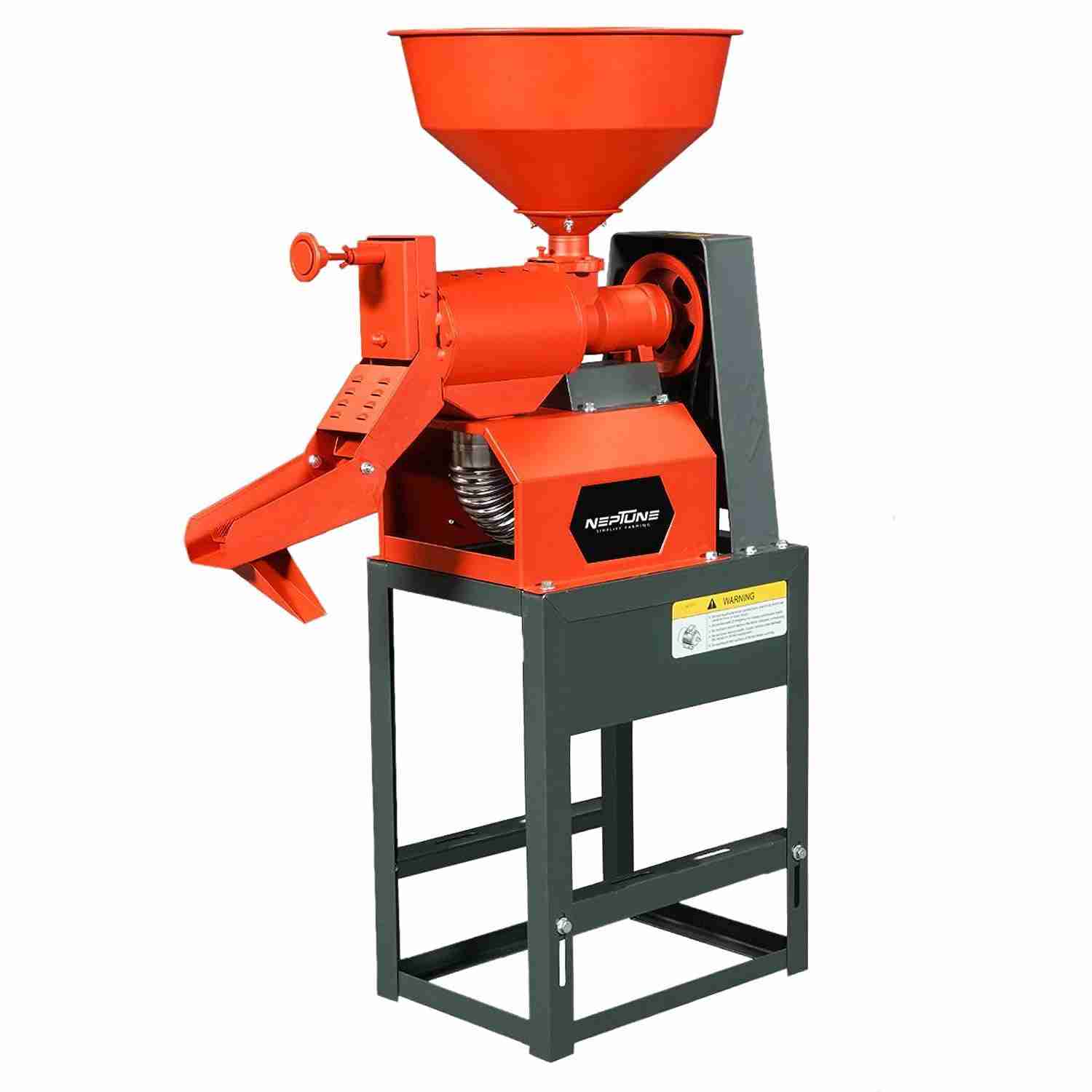
Key Advantages of Adopting Mini Rice Milling Technology
The adoption of mini rice milling technology brings a myriad of benefits that cater to both small-scale farmers and larger agricultural enterprises. Efficiency stands out as a primary advantage; these machines are designed to significantly reduce processing time and increase yield by maximizing the amount of rice that can be processed in a given timeframe. With their compact size, they can fit seamlessly into smaller operations without requiring extensive infrastructure changes, enabling farmers to maintain a streamlined workflow. This technology minimizes labor costs as less manual intervention is needed, allowing operators to focus on other critical aspects of their farming operations.
Moreover, mini rice milling machines promote quality control in the milling process. By using advanced technology and precision engineering, these machines ensure that the rice is hulled and milled to the desired specifications, enhancing the quality of the final product. The integration of features like adjustable settings enables users to customize the degree of milling according to market demands, ensuring premium quality rice. Additionally, by reducing waste through optimized processing, mini rice mills contribute to sustainability efforts, allowing farmers to use resources more efficiently while increasing their profits. The returned investment is not just monetary; it supports local economies and helps in food security efforts.
Selecting the Right mini rice mill for Your Needs
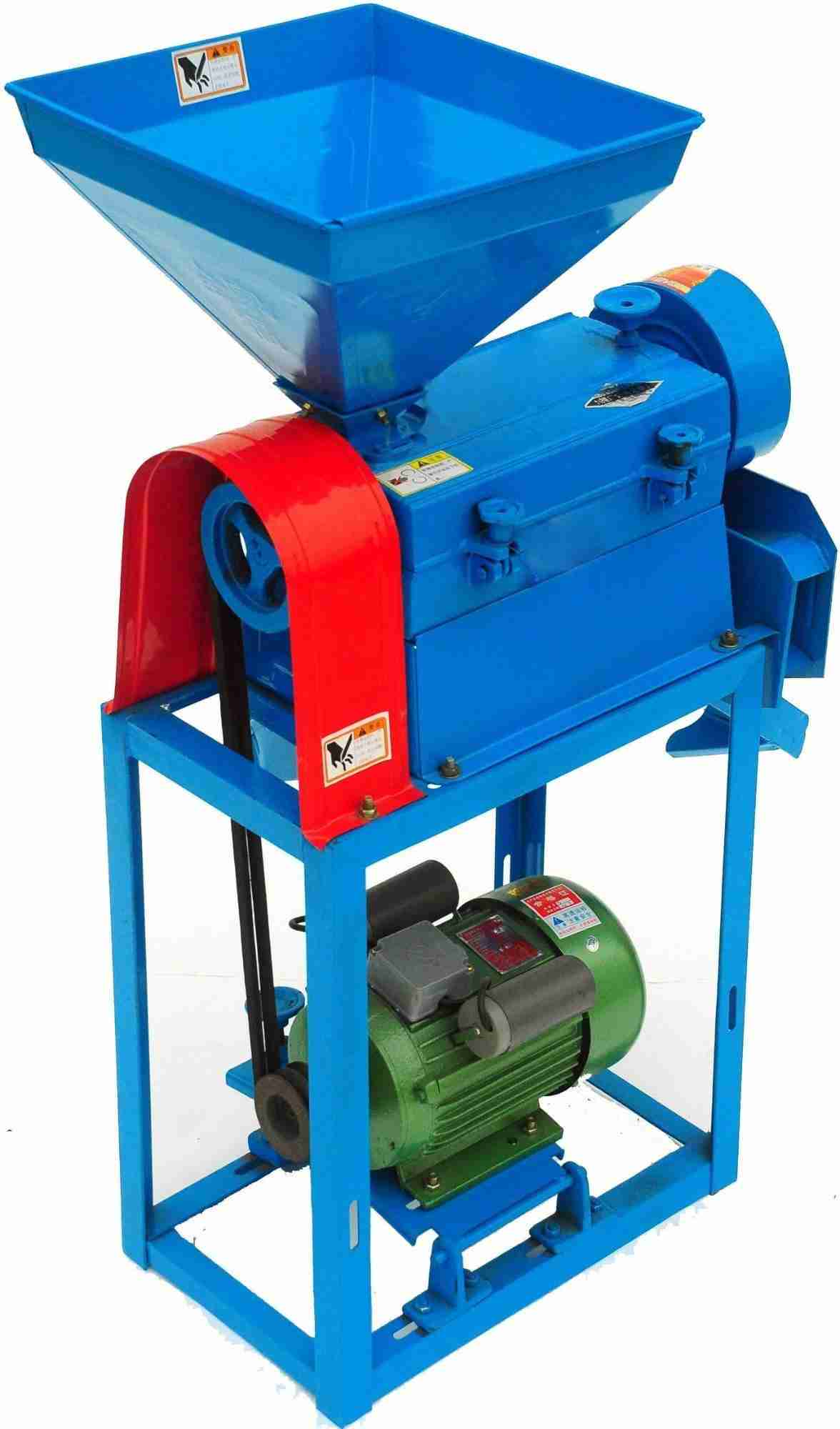
When choosing a mini rice mill, it’s essential to consider several key factors that align with your specific processing needs. Capacity plays a crucial role; whether you’re a small-scale farmer or a hobbyist, assessing how much rice you need to process daily will help determine the ideal model for you. Look for features such as power consumption and efficiency—a machine that optimizes energy usage will not only save costs but will also enhance productivity. Additional aspects to consider include the quality of the rice output, which can be influenced by the milling technology used, and the size and portability of the unit, especially if you have limited space.
Another significant factor is the maintenance and support offered by manufacturers. Choose a mini rice mill that provides easy access to replacement parts and reliable customer service. Additionally, reviewing customer testimonials can offer valuable insights into the long-term performance of different models. Depending on your location and budget, you might also explore options that come with additional functionalities, such as separating husks from the rice or providing various milling options. Lastly, factoring in the warranty and return policies available can safeguard your investment and ensure your chosen machine meets your expectations over time.
| Feature | Importance |
|---|---|
| Capacity | Determines daily processing volume |
| Power Consumption | Affects operational costs |
| Milling Technology | Impacts rice quality |
| Size & Portability | Necessary for limited spaces |
| Maintenance Support | Ensures long-term reliability |
Best Practices for Maximal Efficiency in Grain Processing
To achieve optimal performance when using mini rice milling machines, it’s crucial to implement specific strategies that enhance process flow and product quality. Regular maintenance should be prioritized as it prevents machine breakdowns and extends the lifespan of the equipment. Additionally, calibrating the machinery according to the type of grain and desired output quality can significantly influence efficiency. Operators should also receive proper training to understand the machine’s capabilities and limitations. This knowledge helps in making informed decisions during the milling process, resulting in less waste and increased output.
Moreover, understanding the environmental and operational factors that affect grain processing is essential. For instance, monitoring humidity levels in both the grain and workspace can prevent quality deterioration. Implementing an effective workflow design reduces bottlenecks, allowing seamless movement between different processing stages. Consider maintaining an organized inventory of raw materials and finished products, which can further expedite operations. To illustrate these points, the following table summarizes key factors and their impact on grain processing efficiency:
| Factor | Impact on Efficiency |
|---|---|
| Regular Maintenance | Reduces downtime and repair costs |
| Machine Calibration | Optimizes output quality |
| Operator Training | Minimizes errors and waste |
| Humidity Control | Prevents spoilage and loss |
The Way Forward
As we come to the end of our exploration into the world of efficient grain processing, particularly with the advent of mini rice milling machines, it’s clear that these compact wonders are reshaping the landscape of rice production. By combining innovation with practicality, they empower small-scale farmers and entrepreneurs alike, offering a sustainable solution that maximizes yield while minimizing waste.
The journey through this article reveals not just the technology behind these machines, but also the potential they hold for transforming local economies and ensuring food security. As we continue to advance into a future where efficiency and sustainability are paramount, understanding and adopting such solutions becomes essential.
In the grand tapestry of agriculture, mini rice milling machines represent a thread of ingenuity woven with the promise of progress. Their role is not merely to process grain but to foster community resilience and nurture the bond between producers and consumers. As we embrace these advancements, we pave the way for a more equitable and prosperous agricultural sector.
Ultimately, the efficiency of grain processing is not just about the tools we use, but also about the impact of those tools on the lives they touch. Let us take this knowledge forward, championing innovations that cultivate not only better harvests but also brighter futures.




