
In a world increasingly defined by its relentless pursuit of efficiency, the agricultural landscape is undergoing a transformative shift, spearheaded by an unassuming yet impactful innovation: the mini rice mill. These compact milling systems are rapidly gaining traction among smallholder farmers and rural entrepreneurs, promising to streamline rice production while addressing the unique challenges faced by local agriculture. With a blend of cutting-edge technology and grassroots practicality, mini rice mills are not just enhancing productivity; they are fostering a movement toward greater food sovereignty and economic resilience. This article delves into the rise of mini rice mills, exploring their significance in modern agriculture, their benefits to communities, and the potential they hold for reshaping the future of rice milling. Join us as we uncover how these tiny titans are unleashing unparalleled efficiency and redefining the paths of those who cultivate the staple that feeds billions.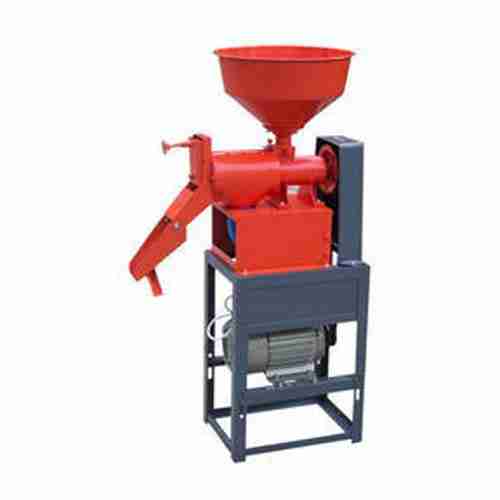
Exploring the Advantages of Mini Rice Mills in Modern Agriculture
The introduction of mini rice mills has transformed the landscape of modern agriculture, offering myriad advantages that cater to both small-scale farmers and larger agricultural enterprises. These compact machines allow for higher efficiency in rice processing, resulting in improved production rates and reduced post-harvest losses. Farmers can benefit from the following key features:
- Cost-Effectiveness: Mini rice mills require lower initial investment compared to larger machinery, making them accessible to smallholder farmers.
- Energy Efficiency: Designed to minimize energy consumption, these mills reduce operational costs significantly.
- Local Processing: Farmers can process their rice on-site, ensuring fresher products and reducing transportation costs.
Moreover, mini rice mills promote the sustainability of agricultural practices by incorporating eco-friendly technologies. They support local economies by providing job opportunities in rural areas and by creating value-added products. The adaptation of mini rice mills has led to an increase in rice quality, enhancing market competitiveness. Consider the following advantages:
| Advantage | Description |
|---|---|
| Reduced Waste | Minimizes husk waste through efficient husking methods. |
| Quality Control | Empowers farmers to maintain standards for better market prices. |
| Scalability | Allows farmers to expand production as demand increases. |

Key Innovations Powering the mini rice mill Revolution
The evolution of mini rice mills has been significantly influenced by a variety of technological advancements that cater to the needs of small-scale farmers and local millers. Integrated automation systems are one of the most crucial innovations, allowing for streamlined operations that reduce the need for manual labor while increasing output efficiency. Smart sensors monitor moisture content, temperature, and grain quality, ensuring optimal processing conditions and enhancing the final product’s quality. Additionally, the introduction of compact designs enables easy transportation and installation, making these mills accessible to rural areas where traditional milling operations were previously impractical.
Another pivotal aspect of this revolution is the incorporation of sustainable practices within mini rice mills, addressing both economic and environmental concerns. Many mills now utilize solar power or are equipped with systems that recycle water used in the milling process, effectively minimizing waste. Furthermore, advancements in machine durability and maintenance reduce downtime and repair costs, allowing mill operators to focus on maximizing production. By combining these innovations, mini rice mills not only empower local economies but also contribute to more sustainable agricultural practices.
Maximizing Productivity: Best Practices for Optimal Operation
In the quest for efficiency, small-scale rice milling operations can embrace several cutting-edge practices to maximize their productivity. Investing in modern machinery is crucial, as newer mini rice mills boast enhanced features that significantly reduce processing time and increase yield. Furthermore, adopting a systematic workflow allows operators to minimize downtime. This can be achieved by establishing a consistent routine that includes regular maintenance checks and employee training on equipment handling. Incorporating real-time data tracking systems can further optimize operations by identifying bottlenecks and ensuring timely interventions.
To enhance operational efficiency creatively, consider integrating automation technologies that can facilitate various aspects of the milling process. For instance, automated grain grading systems will help ensure only the highest quality rice is processed, reducing waste and improving overall output. Other best practices include fostering a collaborative work culture, where employees share insights and suggestions for improvement. Regularly scheduling brainstorming sessions can lead to innovative ideas for process enhancement. Here’s a concise table showcasing effective strategies for mini rice mills:
| Strategy | Description |
|---|---|
| Modern Equipment | Upgrade to high-efficiency milling machines |
| Automation | Integrate automated systems for grading and packing |
| Data Tracking | Implement real-time monitoring tools |
| Collaborative Culture | Encourage workforce input and idea sharing |
Sustainable Growth: The Environmental Impact of Mini Rice Mills
Mini rice mills have emerged as a response not only to market demands but also to the pressing need for sustainable agricultural practices. By streamlining the rice milling process, these smaller operations significantly reduce energy consumption and minimize waste. Traditional rice milling systems often rely on extensive machinery that consumes large amounts of fuel and generates considerable emissions. In contrast, mini rice mills optimize milling efficiency while employing eco-friendly technologies. This shift has a ripple effect on the environment, leading to:
- Reduction in Carbon Footprint: Larger mills contribute more to greenhouse gas emissions; mini mills offer a sustainable alternative.
- Lower Energy Usage: Smaller operations utilize fewer resources, leading to a marked decrease in energy consumption.
- Waste Minimization: Efficient processing reduces the leftover biomass, creating opportunities for value-added products.
In many regions, mini rice mills also play a vital role in promoting local economies and sustainable farming. They empower smallholder farmers by providing accessible milling services, which encourages organic farming practices and enhances product quality. With the ability to operate closer to farms, these mills often use renewable energy sources, such as solar power, further enhancing their environmental benefits. The table below highlights the positive impacts of mini rice mills compared to traditional methods:
| Impact Area | Traditional Mills | Mini Rice Mills |
|---|---|---|
| Energy Consumption | High | Low |
| Waste Generation | High | Minimal |
| Carbon Emissions | Significant | Negligible |
| Support for Local Farmers | Limited | Strong |
To Conclude
As we conclude our exploration of mini rice mills and their transformative impact on agricultural efficiency, it is clear that this innovation is more than just a tool for processing grains. These compact machines are emblematic of a broader shift towards sustainability and modernization in the agricultural sector. By empowering smallholders and enhancing local economies, mini rice mills are not only making rice milling accessible but are also fostering a sense of community and self-reliance.
As the sun sets on traditional milling practices, a new dawn rises—one characterized by innovation, adaptability, and the promise of a more efficient future. Whether you are a farmer seeking to optimize your operations or an entrepreneur looking to invest in emerging technologies, the rise of mini rice mills presents a compelling opportunity to harness the power of progress.
In the ongoing quest for efficiency, these small yet mighty machines remind us that sometimes, the most significant changes come in the smallest of packages. The journey of mini rice mills has only just begun, and as the industry evolves, so too will the stories of those who dare to embrace this new era of agricultural possibility.




