
Unraveling the Grain: A Deep Dive into Cereal Processing
In the quiet hum of industrial mills and the rhythmic clatter of conveyor belts, the journey of cereal grains from field to breakfast table unfolds. Every bowl of cereal we enjoy is the culmination of an intricate transformation process, where raw grains are meticulously crafted into the familiar flakes, puffs, and clusters we know so well. Yet, the pathways of grain processing remain largely obscured, hidden behind a veil of culinary convenience. This article invites you to step behind the scenes and explore the fascinating world of cereal processing. From the initial harvest of golden wheat and hearty oats to the innovative techniques that enhance flavor and nutrition, we will unravel the science, artistry, and technology that breathe life into these staple foods. Join us in this deep dive as we demystify the processes that not only nourish us but also define our eating habits, cultural practices, and even our economies. Let’s embark on a journey through the mill, one grain at a time.
Exploring the Journey from Field to Bowl
The journey of cereal grain from the field to your breakfast bowl is a fascinating tale of transformation and precision. It begins in vast, golden fields where farmers cultivate a variety of grains, each with its unique characteristics and uses. Once harvested, the grains undergo a meticulous cleaning process to remove impurities such as dirt, stones, and off-spec grains. Subsequently, they are subjected to *drying*, ensuring optimal moisture content to prevent spoilage during storage. This initial step is critical in retaining the nutritional value and flavor of the cereals.
Once conditioned, the grains enter the processing phase, where they are milled, flaked, or puffed, depending on the desired end product. Each method requires specific machinery and techniques to maintain the integrity of the grains while enhancing their texture and taste. Common processing methods include:
- Milling – The grains are ground into flour, retaining essential nutrients.
- Flaking – Grains are steamed and flattened, perfect for quick-cook options.
- Popping – A method used for making light, airy snacks.
After processing, cereals are packaged and shipped to stores, ready for consumers to enjoy. To better understand the various types of grains and their properties, see the table below:
| Grain Type | Nutritional Benefits | Common Use |
|---|---|---|
| Oats | High in fiber, aids digestion | Breakfast cereals, granola bars |
| Wheat | Rich in proteins, versatile | Breads, pastries, pasta |
| Rice | Gluten-free, energy-rich | Cereals, snacks, side dishes |

Understanding Nutritional Impacts of Processing Techniques
The transformation of grains through various processing techniques significantly influences their nutritional profiles. Techniques such as milling, toasting, and flaking serve distinct purposes but often come at a cost to their nutritional value. For instance, while milling removes the outer bran layer and germ to produce white flour, it also strips away a significant portion of essential nutrients like fiber, B vitamins, and antioxidants. In contrast, whole grain processing retains these components, offering a more nutrient-dense option. Other techniques, such as parboiling, can enhance nutrient retention by gelatinizing starches and making certain vitamins more accessible during digestion.
Although some processing methods may diminish nutritional quality, others can increase the health benefits of cereal grains. Fermentation, for example, can increase levels of bioavailable nutrients and probiotics, contributing positively to gut health. Additionally, pressure cooking tends to reduce cooking time while preserving vitamins and minerals, making it a favorable method for families looking to save time without compromising nutrition. Below is a table illustrating the nutritional comparison between processed and whole grains:
| Processing Technique | Effects on Nutrients |
|---|---|
| Milling | Reduction in fiber, B vitamins, and minerals |
| Toasting | Enhances flavor, may lower antioxidant levels |
| Parboiling | Improves nutrient retention and digestibility |
| Fermentation | Increases probiotics and bioavailability of nutrients |
Innovative Technologies Shaping Cereal Production
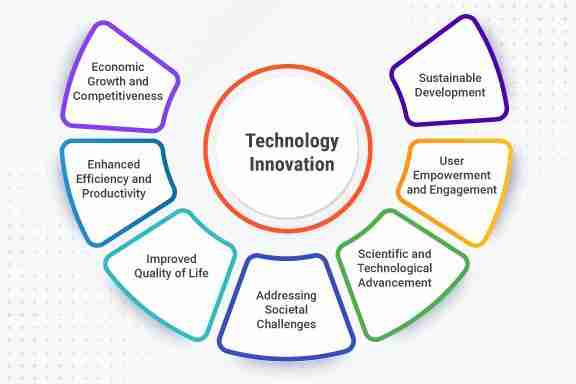
The landscape of cereal production is undergoing a transformative shift with the introduction of cutting-edge technologies designed to enhance efficiency and sustainability. Precision agriculture, fueled by data analytics and GPS mapping, allows farmers to monitor crop health in real-time, optimizing resource use and minimizing waste. This data-driven approach not only boosts yield but also promotes responsible farming practices, helping to safeguard the environment. In addition, automation in harvesting and processing has reduced labor costs and increased output, making it easier for producers to meet the growing global demand for cereals.
Moreover, the integration of biotechnology in cereal production is unlocking new possibilities. Genetically modified organisms (GMOs) demonstrate improved resistance to pests and diseases, reducing the reliance on chemical pesticides. This innovation not only leads to more robust crops but also contributes to food security in areas prone to agricultural challenges. Additionally, advancements in supply chain logistics, such as blockchain technology, enhance transparency and traceability, ensuring that consumers receive safe and high-quality products. As these technologies continue to evolve, they promise to reshape the future of cereal production in remarkable ways.

Best Practices for Sustainable Cereal Processing
Embracing sustainability in cereal processing is essential for minimizing environmental impact and ensuring long-term viability. Adopting energy-efficient technologies is a vital step. For instance, using solar-powered dryers can harness natural energy, reducing fossil fuel dependency and lowering carbon emissions. Other practices include the incorporation of waste reduction techniques such as recycling husks or by-products into animal feed or bioenergy. Implementing a closed-loop water system can significantly conserve water, facilitating water reuse and reducing waste discharge into natural water bodies.
Collaboration with local farmers and suppliers fosters a sustainable supply chain, encouraging the use of organic and locally sourced grains. This not only supports regional economies but also decreases transportation emissions. Integrating transparency in sourcing and production helps consumers make informed decisions, enhancing brand loyalty. Moreover, embracing sustainability certification processes can distinguish products in the market, appealing to environmentally conscious consumers. The following table outlines key sustainable practices in cereal processing:
| Practice | Description | Benefits |
|---|---|---|
| Energy Efficiency | Utilizing renewable energy sources. | Reduces carbon footprint. |
| Waste Management | Recycling by-products. | Minimizes waste and promotes circular economy. |
| Water Conservation | Implementing closed-loop systems. | Conserves water and reduces contamination. |
| Local Sourcing | Partnering with nearby farmers. | Supports local economies and cuts transport emissions. |
In Retrospect
As we conclude our exploration of the intricate world of cereal processing, it becomes clear that the journey from field to table is anything but straightforward. From the initial harvesting of grains to the final packaging of breakfast cereals, each step is a delicate balance of science, technology, and artistry. Understanding this process not only enhances our appreciation for the foods we consume but also invites us to ponder the broader implications of agricultural practices, sustainability, and nutrition.
As we unravel the grain, we discover stories of innovation and tradition, of meticulous craftsmanship and modern efficiency, all converging to shape the textures and flavors of our daily meals. Whether you are a staunch advocate of whole grains or a seeker of the newest health trends, the processing journey of cereals is a testament to the intricate web of influences that define our food systems today.
In an age where informed choices are paramount, knowledge is the key ingredient. We hope this deep dive into cereal processing has illuminated the complexities behind the scenes and inspired you to consider the value of every bite. So, as you pour your next bowl of cereal, take a moment to appreciate the grains that have traveled their own journey to nourish and energize you. After all, every cereal tells a story – and you now know a little more about the chapters that made it possible.




