
In the early morning hours, as the sun gently peeks over the horizon, millions of households around the world begin the familiar ritual of preparing breakfast.For many, this daily routine starts with a simple yet vital ingredient: cereal. But have you ever paused to consider the journey that this beloved breakfast staple undertakes before it finds its way to your bowl? “Unraveling Cereal Milling: From Grain to Breakfast bowl” invites you to embark on an exploration of the intricate processes that transform raw grains into the crunchy delights we pour into our milk. From the fields where grains are harvested to the state-of-the-art milling facilities, we will dissect each step of this interesting operation, revealing the science, technology, and artistry that underlie the creation of your morning sustenance. Join us as we delve into the world of cereal milling, shedding light on the hidden complexities behind a seemingly simple breakfast choice.
understanding the Grain Selection Process for Optimal Milling Results
choosing the right grains is crucial for achieving optimal milling results. The selection process begins with understanding the specific characteristics of various grains, such as moisture content, kernel hardness, and grain size. Each of thes factors plays a significant role in how well a grain can be milled into flour. For example, softer grains tend to yield finer flour, while harder grains are preferred for producing coarser textures.Thus, millers must carefully consider the intended request of the flour to select grains that will perform best under specific milling conditions.
Moreover, the source of the grain also influences the milling outcome.Millers often work closely with farmers to ensure that the grains meet quality standards, focusing on attributes like cleanliness, varietal purity, and consistent supply. Factors such as climate and soil type, which can affect grain quality, should not be overlooked. A comprehensive selection process may include:
- Testing grain samples for moisture
- Evaluating grain hardness and strength
- Conducting flour yield tests after milling
This meticulous approach ensures that the milling process runs smoothly and that the end product consistently meets consumer expectations.
the Milling Techniques That Transform Grains into Flours
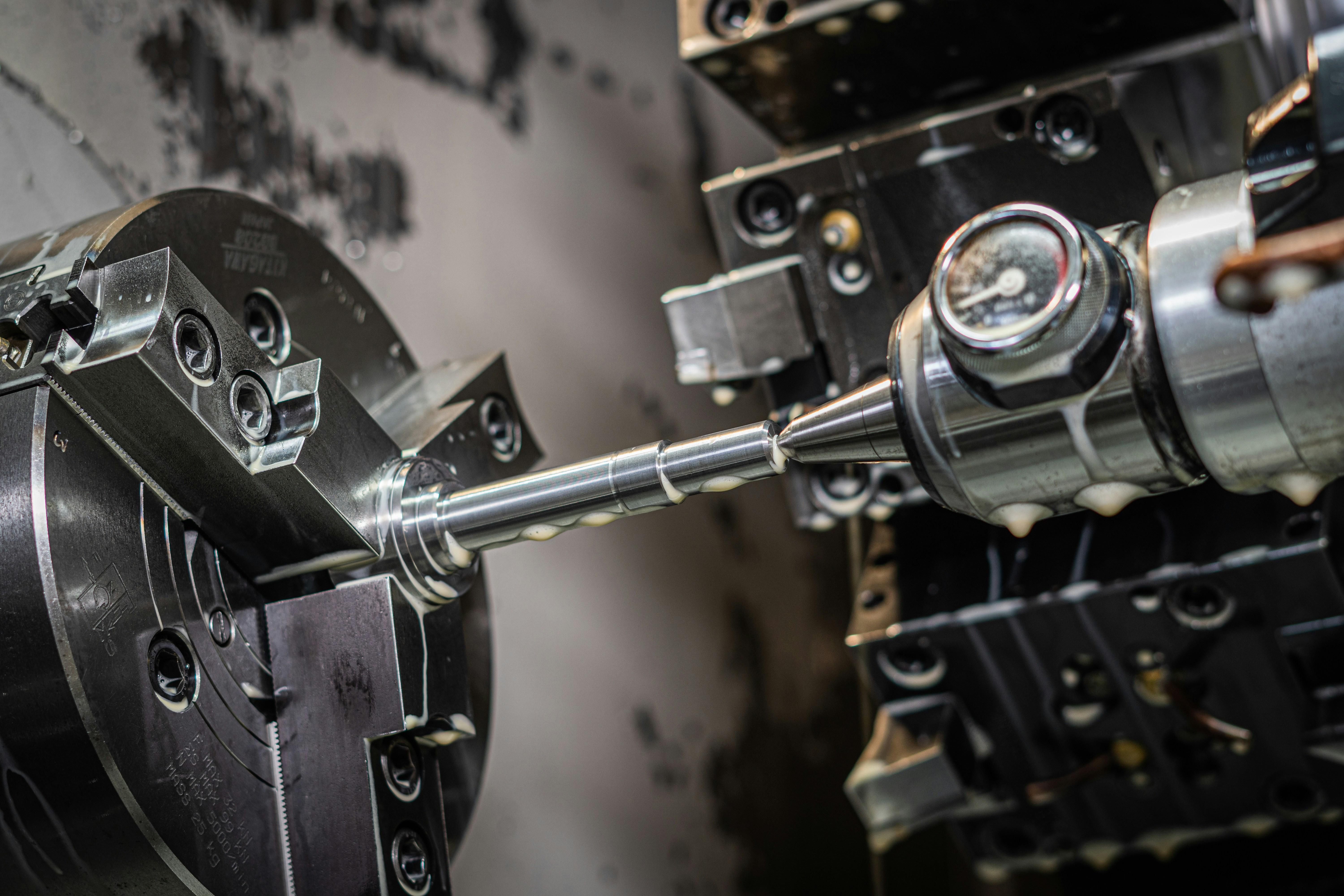
Transforming grains into flours is an intricate dance of science and artistry, where each step in the milling process is crucial to achieving a perfect blend of flavor, texture, and nutritional value. From the moment grains are harvested, they undergo a meticulous journey through various milling techniques, each designed to refine and enhance the final product. Key methods include:
- Stone Milling: An ancient technique that grinds grains between two stones, preserving essential oils and nutrients.
- Roller Milling: A modern approach that uses high-speed rollers to separate the wheat kernel into its components, producing fine, white flour.
- Impact Milling: A process that uses high-speed blades to grind grains into flour,ideal for creating whole grain flours that retain more bran and germ.
Each milling method brings its own character to the flour, affecting not just the texture but also the flavor profile and baking qualities. for example,stone-milled flour can yield a denser bread,bursting with flavor,while flour from roller milling is often preferred for its fine consistency and baking versatility. The choice of milling technique can greatly influence the end product, as demonstrated in the table below, which outlines different flours and their ideal uses:
| flour Type | Texture | Best Use |
|---|---|---|
| Whole Wheat Flour | Coarse | Breads & Muffins |
| All-Purpose Flour | Fine | Cakes & Pastries |
| Semolina Flour | Granular | Pasta & Pizza Dough |
Nutritional Considerations: Enhancing Your Breakfast with Whole Grain Options
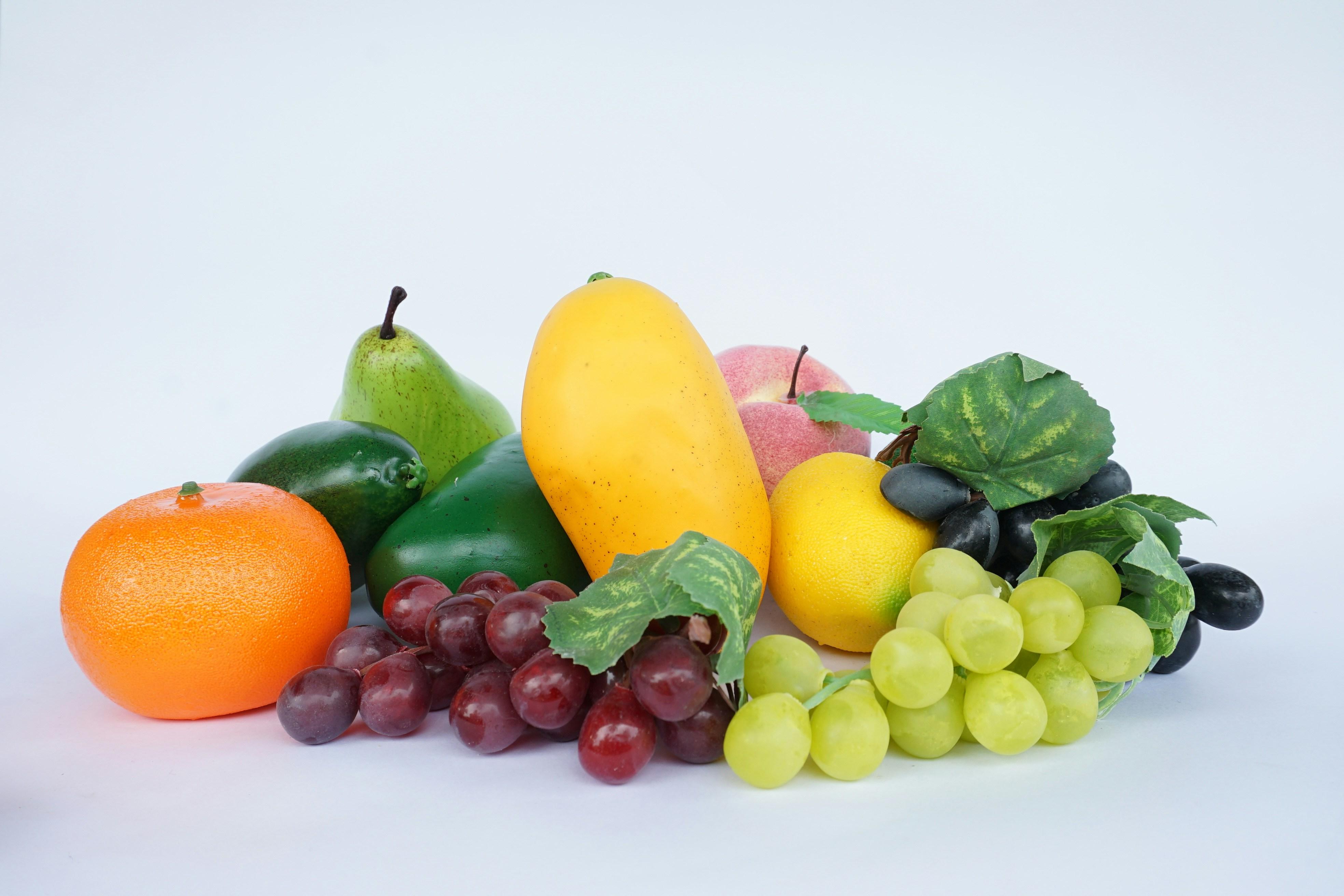
Integrating whole grain options into your breakfast can substantially enhance both the nutritional profile and the overall satisfaction of your morning meal. Whole grains, packed with essential nutrients, are the foundation for a truly nourishing breakfast. By incorporating ingredients such as oatmeal, whole grain bread, and quinoa, you not only enrich your meal with fiber but also offer a variety of vitamins and minerals necessary for a balanced diet. Consider the following benefits of whole grains:
- High Fiber Content: aids digestion and helps keep you full longer.
- Rich in Antioxidants: Supports immune function and fights off free radicals.
- Complex Carbohydrates: Provides sustained energy release throughout the day.
Choosing whole grains can be both simple and appetizing, allowing for the incorporation of diverse flavors and textures in your breakfast. Here’s a fast glance at some whole grain options and their potential contributions to your morning bowl:
| Whole Grain | Nutritional Benefit |
|---|---|
| Oats | Heart-healthy beta-glucans. |
| Whole Wheat | High in proteins and minerals like iron. |
| Brown Rice | Rich in selenium and promotes gut health. |
| Quinoa | A complete protein source with amino acids. |
By making whole grains a staple in your breakfast choices,you can transform everyday meals into a nourishing powerhouse that supports your overall health while tantalizing your taste buds.
Sustainable Practices in Cereal Milling for a Healthier Future
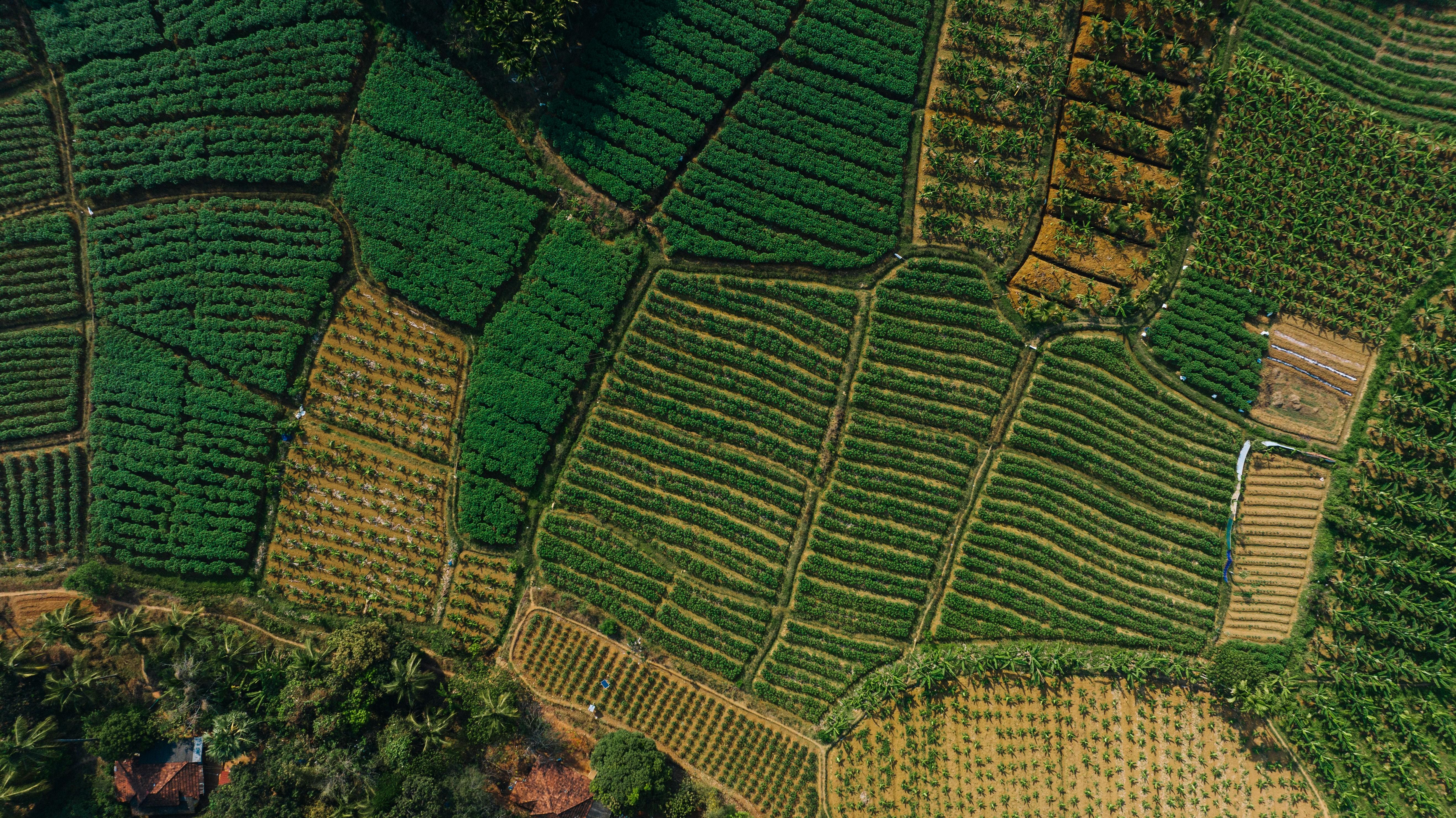
In recent years, the cereal milling industry has begun to embrace more sustainable practices, reflecting a growing awareness of both environmental responsibilities and consumer demands. transitioning toward a more eco-friendly operation requires a multifaceted approach that not only enhances efficiency but also prioritizes the well-being of our planet. Some of the key practices include:
- Utilization of renewable energy sources such as wind or solar power to reduce carbon footprints.
- Implementation of water conservation systems during processing to minimize waste.
- Investing in biodegradable packaging that breaks down naturally after use, reducing landfill contributions.
- adopting zero-waste initiatives, ensuring that by-products are recycled or repurposed rather than discarded.
Integrating these practices not only fosters a healthier environment but also enhances the quality of the products enjoyed by consumers. As awareness grows, the market is seeing an increase in demand for cereals produced with sustainable methods. This shift is reflected in various certifications awarded to producers who adhere to rigorous standards of sustainability. For instance, here is a table showing some common certifications in the cereal milling industry:
| Certification | Description |
|---|---|
| Organic | Products grown without synthetic pesticides or fertilizers. |
| Non-GMO Project Verified | Assures that products do not contain genetically modified organisms. |
| Fair Trade | Aims to promote sustainable farming practices and fair wages for producers. |
Insights and Conclusions
As we reach the end of our journey through the intricate process of cereal milling, it’s clear that each grain holds a story waiting to be told. From the fields where they grow to the meticulous steps of milling, every phase contributes to the final conversion into the breakfast favorites we enjoy. This seamless blend of nature and technology not only satisfies our taste buds but also fuels our mornings, creating a wholesome start to the day. As you pour your next bowl of cereal, take a moment to appreciate the remarkable journey it has undertaken—from the simple grain to the nourishing meal that brings families together. Ultimately, cereal milling reminds us that even the most ordinary foods carry with them a rich tapestry of history, science, and craftsmanship, inviting us to savor not just what’s in our bowls, but the stories behind each delicious bite.




