
Corn, often regarded as a humble staple, holds a treasure trove of potential waiting to be unlocked. From the sun-kissed fields of the Midwest to bustling urban markets, this versatile grain has woven itself into the fabric of our diets and economies. However, the journey from cob to cornmeal is not merely a passage; it’s a fascinating exploration of processing techniques that can elevate this everyday ingredient into something truly extraordinary. In this article, we embark on a journey through the various methods of corn processing, uncovering the innovation and tradition that transform this remarkable grain into a diverse array of products. Whether you’re a curious home cook, a food enthusiast, or someone intrigued by agricultural science, join us as we peel back the layers of corn’s potential and discover how each technique unveils a new facet of its identity.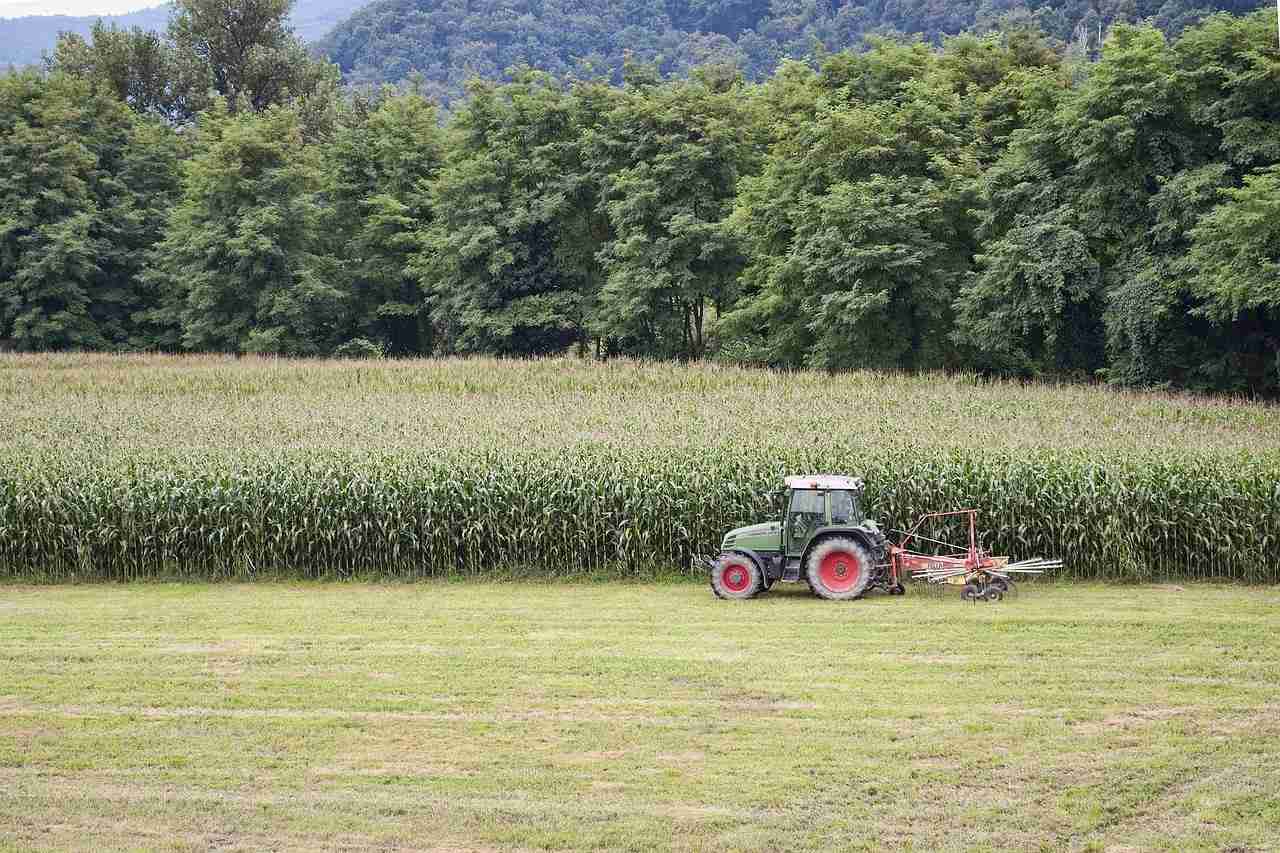
Navigating the Corn Processing Landscape: An Overview of Techniques
Corn processing is a fascinating interplay of tradition and innovation, revolving around an abundant crop that supports countless industries. From farm to fork, the journey of corn transcends various techniques, each with its unique objectives and outcomes. Some of the predominant methods include wet milling and dry milling, which facilitate the extraction of valuable components from the grain. In wet milling, corn is soaked in water and acids to separate starch, gluten, and fiber, yielding products like corn syrup and ethanol. Conversely, dry milling emphasizes grinding the corn into flour or grits, focusing primarily on meal production for culinary and industrial applications.
As technology advances, specialized techniques are emerging, enhancing the efficiency and sustainability of corn processing. One notable innovation is the biorefinery approach, which seeks to convert corn into a broader range of bio-based products while minimizing waste. Additionally, improved enzymatic treatments enhance starch yield and improve the processing cycle, making operations more eco-friendly. By leveraging these methods, corn processors are not only unlocking the full potential of this versatile crop but also setting a foundation for sustainable practices that benefit both consumers and the environment. Below is a table showcasing some key processing techniques and their uses:
| Technique | Primary Use |
|---|---|
| Wet Milling | Corn syrup, ethanol, and starch |
| Dry Milling | Cornmeal and grits |
| Biorefinery | Biofuels and bio-based chemicals |

Transforming the Kernel: Insights into Physical and Chemical Processing Methods
Corn is not just a popular food staple; it is a versatile raw material that undergoes various physical and chemical processing methods to unlock its full potential. Each technique offers unique benefits that enhance its usability in diverse applications. For instance, the process of soaking and grinding, often seen in traditional cornmeal production, can be categorized under physical methods. This technique involves wet milling, where kernels are soaked in water to facilitate the separation of starch, gluten, and other components. This process not only preserves the nutrients but also transforms the texture, enabling the creation of products such as tortillas and polenta. Additionally, physical methods such as dry milling and popping create various corn products by strategically altering kernel integrity and size.
On the other hand, chemical processing methods leverage unique reactions to modify corn components at the molecular level. One prime example is the process of hydrolysis, where enzymes are utilized to break down starches into simpler sugars, enhancing digestibility and sweetness. Another innovative approach is fermentation, transforming corn sugars into bioethanol or various organic acids, ultimately contributing to renewable energy sources. These chemical avenues extend corn’s utility beyond food, as they lead to the creation of biodegradable plastics and pharmaceuticals. Embracing both methods, the industry is continually evolving, showcasing new avenues for corn to emerge as a key player in sustainable development.
| Processing Method | Primary Use | Benefits |
|---|---|---|
| Wet Milling | Cornmeal, Tortillas | Retains nutrients, improves texture |
| Dry Milling | Flours, Snack Foods | Versatile uses, cost-effective |
| Hydrolysis | Syrups, Sweeteners | Enhanced sweetness, digestibility |
| Fermentation | Bioethanol, Organic Acids | Sustainable energy, biodegradable products |

Maximizing Nutritional Value: Innovative Approaches to Corn Utilization
As we explore innovative approaches to utilizing corn, it becomes essential to delve into advanced processing techniques that enhance its nutritional profile. Through methods such as fermentation, extrusion, and enzymatic treatments, corn can be converted into a plethora of nutrient-dense products. For instance, fermented corn is not only rich in probiotics but also increases the bioavailability of essential nutrients such as vitamins and minerals. Additionally, extrusion technology allows for the creation of snacks and cereals that retain the fiber content while enhancing taste and digestibility. These methods not only elevate corn from a basic commodity to an integral part of functional foods but also promote sustainability by minimizing waste.
Moreover, corn can be further enriched by incorporating diverse ingredients and flavors during processing. The synergy of corn with superfoods such as quinoa, chia, or legumes creates nutritionally complete blends that hold promise for both health-conscious consumers and food manufacturers. By applying innovative milling and blending techniques, we can forge unique products that cater to the evolving tastes and dietary needs of the populace. Below is a simple comparison table showcasing the nutritional improvements that can be achieved through selected processing methods:
| Processing Method | Nutritional Benefits |
|---|---|
| Fermentation | Enhanced probiotics; improved nutrient absorption |
| Extrusion | Increased fiber retention; enhanced digestibility |
| Enzymatic Treatments | Breaks down antinutritional factors; releases locked nutrients |
| Milling and Blending | Creation of complete protein profiles; versatile applications |

Sustainability in Corn Processing: Recommendations for Future Practices
The journey towards sustainable corn processing requires an innovative approach that not only enhances efficiency but also minimizes ecological footprints. Key recommendations for future practices include the use of biotechnology to improve crop resilience and yield, promoting precision agriculture techniques that optimize water and nutrient use. Additionally, establishing circular economy models within the processing sector can facilitate the reuse of by-products, transforming waste into valuable resources. This holistic strategy encourages collaboration among farmers, processors, and consumers to maximize the potential of corn throughout its life cycle.
Furthermore, embracing renewable energy sources in corn processing facilities can significantly reduce greenhouse gas emissions. Facilities can implement strategies such as harnessing solar energy or utilizing biogas from organic waste. Training programs focusing on sustainable practices for workers can foster a culture of sustainability that pervades every level of production. To track progress, companies could adopt a set of metrics for assessing sustainability performance, ensuring transparency and accountability to consumers. By weaving these elements into the fabric of the industry, we can unlock corn’s potential while safeguarding the planet for future generations.
| Recommendation | Description |
|---|---|
| Biotechnology | Implementing genetically improved varieties for better yields. |
| Precision Agriculture | Using data analytics for resource optimization. |
| Circular Economy | Repurposing by-products into new materials. |
| Renewable Energy | Utilizing solar and biogas for processing operations. |
Closing Remarks
As we conclude our exploration of the intricate world of corn processing techniques, it’s evident that this versatile grain offers far more than meets the eye. From the humble cob to innovative applications in various industries, the journey we’ve undertaken reveals a tapestry of potential, woven with tradition and modern ingenuity.
Each method we’ve examined not only highlights the transformative power of processing but also underscores the importance of sustainability and efficiency in utilizing this staple crop. As agricultural practices evolve and technology advances, the future of corn processing looks promising, holding the key to nutritional enhancements, eco-friendly alternatives, and economic opportunities.
In unlocking corn’s potential, we also embrace a broader dialogue about food security, environmental stewardship, and the endless possibilities that lie within nature’s bounty. As we move forward, let us remain curious and committed to unraveling the full spectrum of corn’s capabilities, appreciating its role in our lives and the landscape of agriculture. The journey doesn’t end here; instead, it opens the door to new chapters in innovation and culinary artistry—inviting us all to reimagine the way we engage with this remarkable grain.




