Title: Transforming Grain too Goodness: Inside a Rice Processing Plant
As the sun rises over lush fields, the gentle rustling of rice plants dances in the morning breeze, heralding a cycle of life that has nourished generations. Yet, beneath the surface of this agricultural staple lies a complex journey from harvest to table—a journey that involves intricate machinery, dedicated hands, and a steadfast commitment to quality. In this exploration of a rice processing plant, we invite you to step behind the scenes where grains of promise are meticulously transformed into the wholesome goodness we instinctively reach for. Join us as we uncover the processes, technologies, and artisanship that turn humble grains into a vital staple, bridging the gap between nature’s bounty and our everyday meals. Through this lens, we celebrate not only the grain itself but the synergy between tradition and innovation that fuels this essential industry.

Understanding the Journey from Field to Fork
In the intricate journey that transforms raw grains into the staple food we cherish, each step is meticulously designed to uphold quality and nutrition.The process begins in the vast fields where farmers cultivate rice,nurturing it from seedlings to maturity. Once harvested, the journey continues at processing facilities where the golden grains undergo several critical steps. These include cleaning, hulling, and milling, ensuring that each grain is free from impurities and retains its nutritional value. The aim here is not only to prepare the rice for consumption but also to enhance its flavor and texture, making it a versatile ingredient in kitchens around the world.
At the heart of a rice processing plant, you will find an array of advanced technologies and techniques that contribute to this transformation. The following stages play crucial roles:
- Sorting: Automated systems identify and separate high-quality grains from defects.
- Polishing: This step removes the outer bran layer,resulting in the white rice most people are familiar with.
- Packaging: Processed grains are carefully packaged to maintain freshness and are prepared for distribution.
To illustrate the transformation from unprocessed grains to packaged products, consider the following comparison:
| Stage | Description |
|---|---|
| Field Harvesting | Gathering the matured rice from the fields. |
| Processing | Cleaning,hulling,and milling to prepare rice. |
| Quality Control | Ensuring only the finest grains reach consumers. |
| Packaging | Sealing the rice in protective bags for sale. |
Unveiling the Technology Behind Rice Processing
At the heart of every rice processing plant lies a symphony of advanced technology designed to transform raw grain into a market-ready product. The journey begins with the cleaning process, where innovative machinery efficiently removes impurities such as dirt, stones, and broken grains. Following this,specialized machines—like vibratory separators—are employed to ensure that only the highest quality grains move to the next phase. The use of optical sorting technology stands out,as it employs high-speed cameras and lasers to identify and reject damaged or discolored rice,assuring consumers of the product’s excellence.
Once cleaned, the rice undergoes a series of meticulous milling stages. Firstly, the husking machine removes the outer husk, converting paddy into brown rice. This is followed by the crucial whitener, which polishes the grains—bringing out that characteristic shine. The process can be finely tuned through the use of programmable logic controllers (PLCs) that monitor and adjust the milling parameters for maximum yield. To shed light on the capabilities of contemporary milling technology, consider the following table showcasing key processes and their benefits:
| Process | Technology Used | Benefits |
|---|---|---|
| Cleaning | Vibratory Separators | Improved grain quality |
| Husking | Husking Machine | Higher extraction rates |
| Whitening | Polishing Machine | Aesthetic appeal & market readiness |
All of these technologies operate in harmony to ensure that the rice reaches its final form with minimal waste and maximum flavor. The combination of automation, precision, and years of agricultural knowledge creates not just a process but an art form, ensuring that what begins as humble grain flourishes into a staple enjoyed by millions around the world.
Sustainability Practices in Modern Rice Mills
modern rice mills are increasingly adopting eco-friendly approaches to enhance their sustainability while maximizing productivity. These practices go beyond just processing rice; they reflect a commitment to reducing environmental footprints and promoting responsible resource management. Among the innovative strategies embraced are:
- Water Recycling: Advanced filtration and purification systems allow rice mills to reuse water in the milling process, significantly conserving this precious resource.
- Energy Efficiency: Mills are transitioning to energy-efficient machinery and utilizing renewable energy sources, such as solar panels, to power operations and reduce reliance on fossil fuels.
- Waste Utilization: By-products such as husks are not discarded but repurposed—used as biomass fuel for energy generation or transformed into organic fertilizers.
This focus on sustainability extends to supply chain management. By sourcing rice from local farmers who practice lasting agriculture,mills not only support local economies but also minimize carbon emissions associated with transportation. Furthermore,many rice processing plants are committed to achieving certifications like Fair Trade and Organic,ensuring they meet stringent ethical and environmental standards. below is a summary of the benefits gained through these sustainable practices:
| Benefit | Description |
|---|---|
| Environmental Impact | Reduction in waste and energy consumption. |
| Economic Viability | Cost savings through energy efficiency and waste management. |
| Social Responsibility | Support for local communities and sustainable farming practices. |
Elevating Quality Control for Optimal Consumer Satisfaction
In the quest for delivering the finest quality rice to consumers, a rice processing plant adopts a meticulous approach to quality control that transcends standard industry practices. Each step of the production process, from rice harvesting to packaging, is subjected to rigorous testing and evaluation. Key strategies employed include:
- Visual Inspection: trained quality control teams conduct visual examinations to detect impurities and inconsistencies in grain color and size.
- Laboratory Analysis: Sample testing for moisture content, broken grains, and other quality parameters ensures adherence to predefined standards.
- Automated Sorting Technology: utilizing advanced technology, such as optical sorters, enhances the efficiency of separating high-quality grains from defects.
Furthermore, feedback loops are established to refine processes continuously, incorporating consumer insights to adapt product offerings better. Emphasis on sustainability also plays a vital role in quality control, as practices are aligned with eco-friendly methods to not only guarantee product integrity but also cater to an increasingly aware consumer base. Below is a comparison of various rice types regarding their quality attributes:
| Rice Type | Grain Quality | Aroma |
|---|---|---|
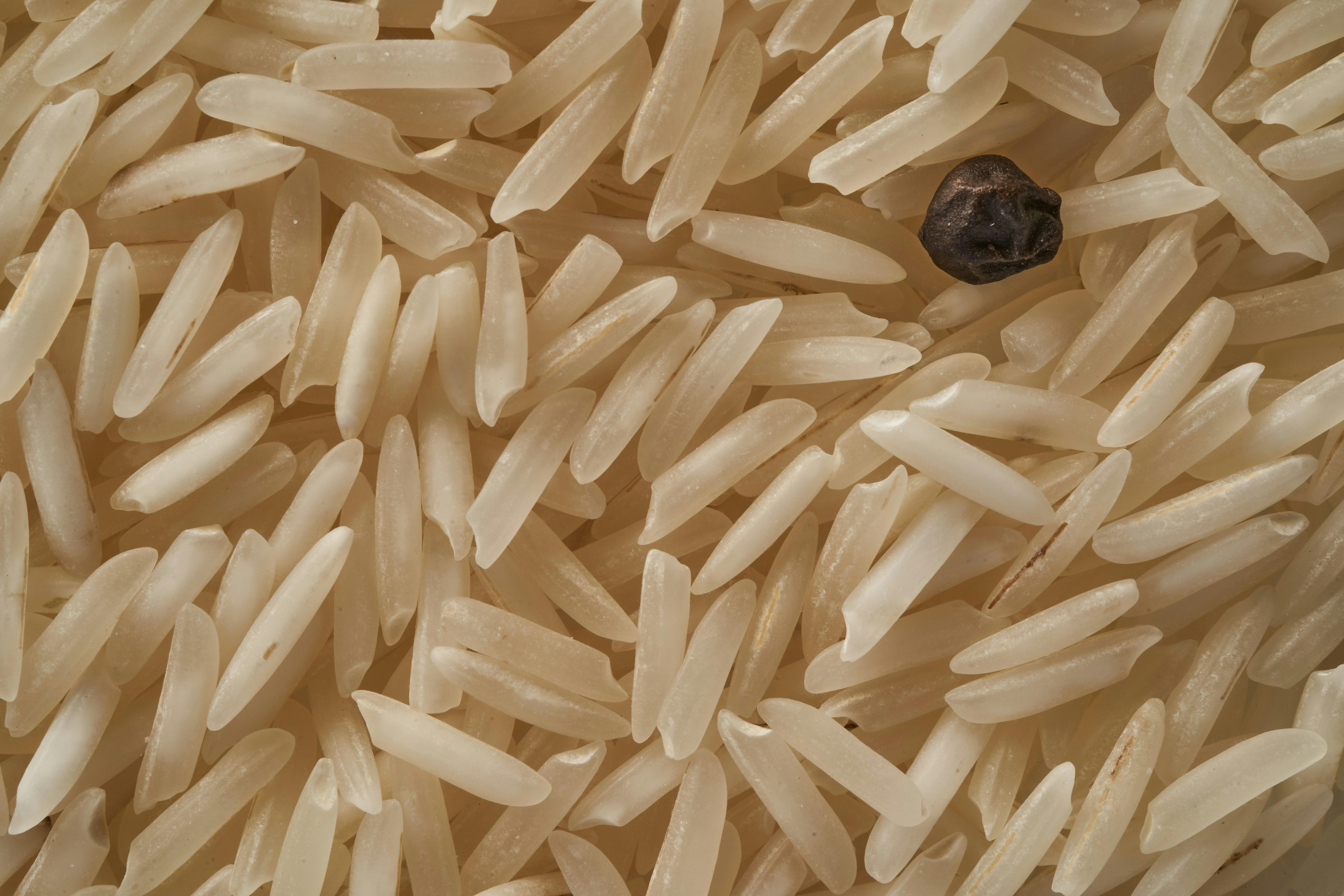
| Basmati | Long, slender grains that remain fluffy. | Fragrant and nutty. |
| Jasmine | Soft and sticky texture when cooked. | Floral aroma. |
| brown Rice | Nutty flavor with a chewy texture. | Slightly earthy. |
Insights and conclusions
As the sun sets over the sprawling fields of golden rice, the journey from grain to goodness continues within the bustling walls of the processing plant. Here, each kernel is meticulously transformed through a blend of age-old traditions and modern innovations, ensuring that the harvest is not just a product, but a promise of quality and nourishment.
We’ve explored the intricate processes that breathe life into every bag,understanding how careful attention to detail,sustainability,and a commitment to excellence shape the path from farm to table. In a world where food security and nutrition are paramount, rice processing plants stand as vital hubs, turning the fruits of our labor into sustenance that nourishes communities around the globe.
As we conclude our journey, let us recognize the hands that work tirelessly behind the scenes — the farmers, operators, and innovators — whose dedication transforms simple grains into wholesome meals. With every bite of rice, we savor not only its flavor but also the story of resilience and progress that defines it. In celebrating this transformation, we embrace a future where grain truly becomes goodness, fueling our bodies and our spirits for generations to come.