
In a world driven by modern technology and convenience, the ancient art of maize milling continues to thrive, providing sustenance and nourishment to communities around the globe. From the rhythmic sound of grinding stones to the warm aroma of freshly ground masa, maize milling is a labor of love that has sustained generations for centuries. Join us as we delve into the intricate process of turning humble kernels into a staple food that nourishes both body and soul, one grain at a time.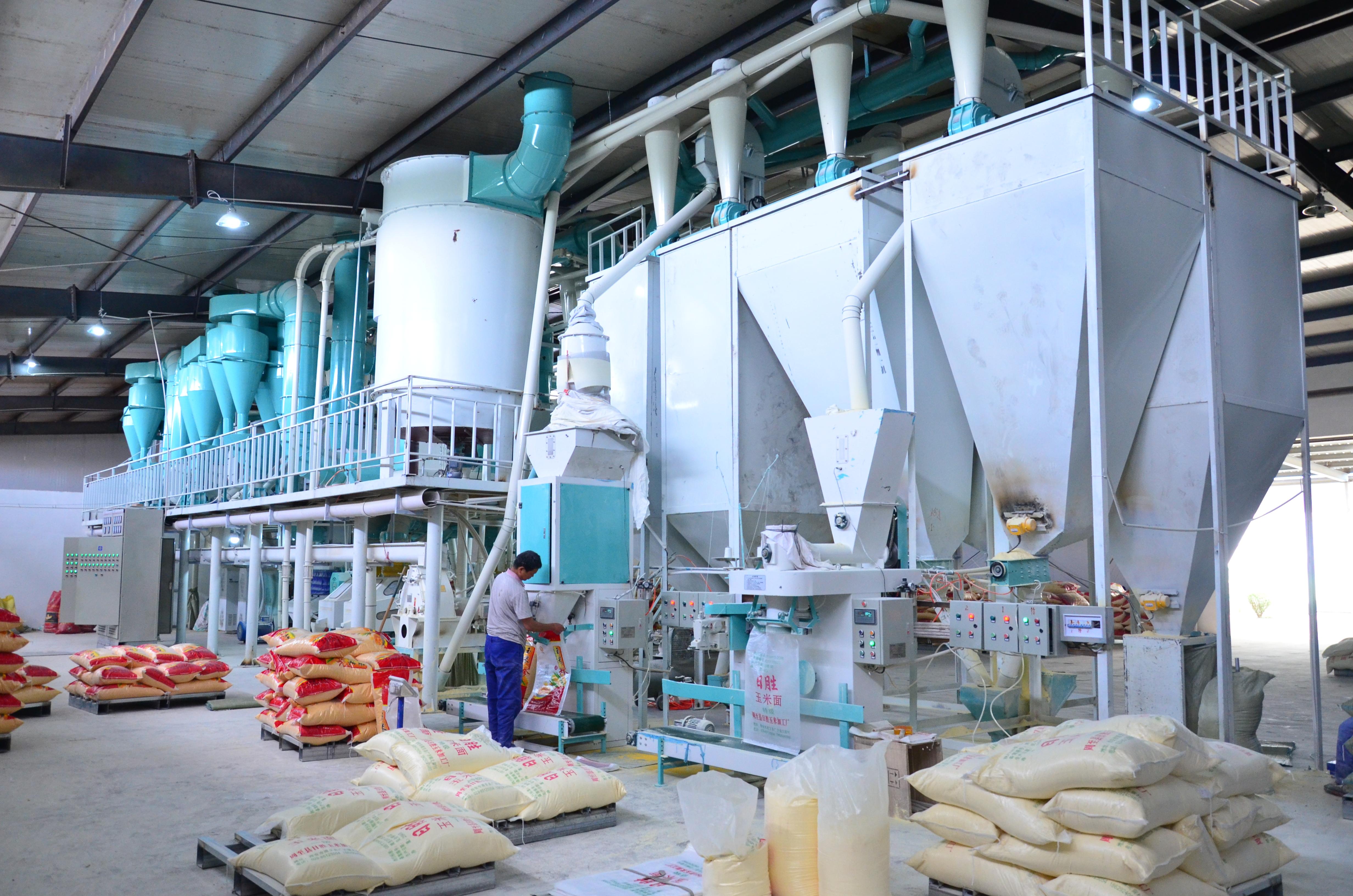
The Traditional Technique of Maize Milling: Preserving Cultural Heritage
Maize milling is an age-old tradition that has been passed down through generations, playing a vital role in preserving cultural heritage. This traditional technique involves grinding maize kernels into fine flour using a stone mill, preserving the authenticity and flavor of the grain. The art of maize milling not only provides communities with a staple food source but also serves as a form of artistry that honors the rich history and traditions of our ancestors.
Through the meticulous process of maize milling, communities are able to sustain themselves while celebrating their cultural roots. This centuries-old practice brings people together, fostering a sense of unity and shared identity. The fine flour produced from maize milling is not just a nourishing staple but a symbol of resilience and tradition, showcasing the importance of preserving cultural heritage for future generations. Embracing this time-honored technique ensures that the legacy of maize milling continues to thrive, nourishing communities one kernel at a time.

Innovations in Maize Milling Technology: Improving Efficiency and Quality
With the advancement of technology in maize milling, the process has become more efficient and the quality of the final product has greatly improved. Innovations such as precision milling machines and automated sorting systems have revolutionized the industry, allowing for higher yields and better quality control. These advancements have not only increased productivity but have also led to a more consistent and nutritious product for consumers.
One of the key benefits of these innovations is the ability to customize milling processes to meet specific needs and preferences. By fine-tuning parameters such as moisture content, particle size, and milling speed, millers can produce a wide range of maize products to cater to different markets and consumer preferences. This level of customization not only ensures quality and consistency but also allows for the creation of specialty products that appeal to niche markets. Ultimately, these innovations in maize milling technology are not just about improving efficiency, but about nourishing communities and satisfying consumer demand one kernel at a time.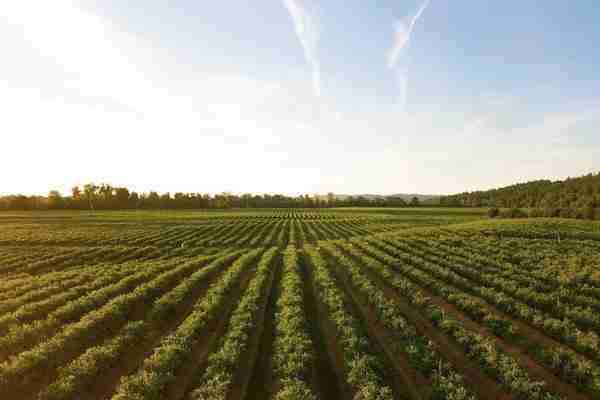
Promoting Sustainable Agriculture: The Role of Maize Milling in Food Security
Sustainable agriculture is crucial for ensuring food security and addressing the needs of communities worldwide. Maize milling plays a vital role in this process, offering a sustainable solution to nourishing communities one kernel at a time. By processing maize into flour and other products, millers contribute to the availability of staple foods that are essential for a balanced diet.
Through the art of maize milling, communities can benefit from increased access to nutritious food options. Millers play a key role in not only processing maize but also in promoting sustainable practices that support environmental conservation. By embracing eco-friendly milling techniques and working in harmony with nature, maize millers can help create a more resilient food system that benefits both present and future generations.

Supporting Local Economies: Benefits of Community-Based Maize Mills
Community-based maize mills play a crucial role in supporting local economies by providing a centralized location for maize processing. These mills not only create job opportunities for members of the community but also contribute to the overall economic growth of the region. By supporting these local businesses, community members can help stimulate the local economy and create sustainable livelihoods for themselves and their neighbors.
Furthermore, community-based maize mills offer numerous benefits for both producers and consumers alike. Producers can sell their maize directly to the mill, eliminating the need for middlemen and ensuring fair prices for their crops. On the other hand, consumers can purchase fresh, nutritious maize flour that is milled locally, supporting small-scale farmers and promoting food security within the community. By investing in community-based maize mills, we can help nourish communities one kernel at a time.
In Conclusion
In conclusion, the art of maize milling is not just a culinary craft, but a vital practice that nourishes communities and connects people to their cultural heritage. From ancient civilizations to modern societies, the humble maize kernel has sustained and enriched us in countless ways. So the next time you enjoy a fresh tortilla, a warm bowl of cornbread, or a steaming plate of polenta, remember the hands that toiled to turn a simple grain into a flavorful masterpiece. Let us continue to appreciate and celebrate the beauty and significance of maize milling, one kernel at a time.




