
From the golden fields of the heartland to the bustling kitchens of cities across the globe, corn has long been a staple in diets and cultures worldwide. But what truly goes into transforming this humble grain into the diverse array of products we see on shelves and plates? Join us on a fascinating journey as we explore the art of corn processing, from farm to table.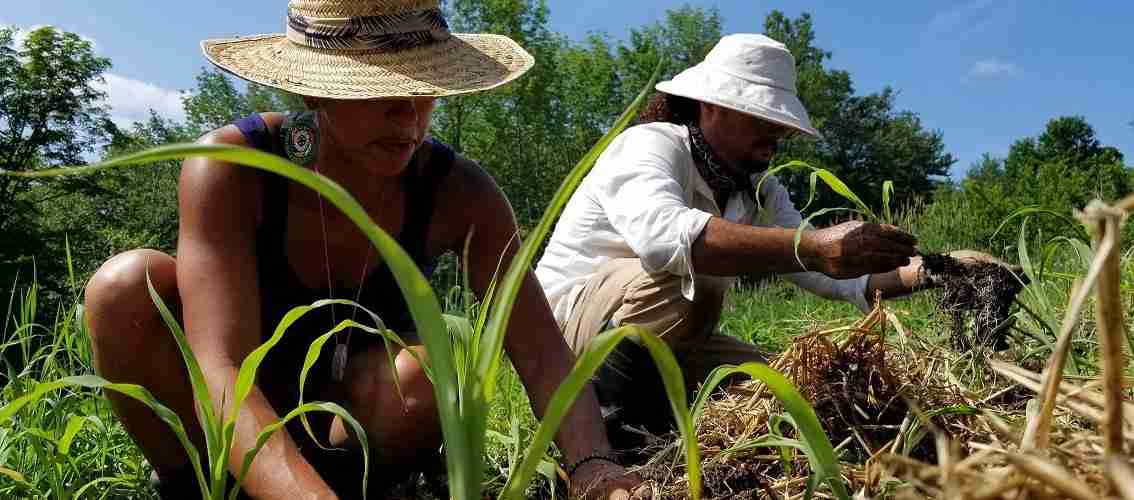
– Farming Practices for High-Quality Corn: Techniques for Growing Healthy and Nutrient-Rich Crops
When it comes to corn processing, the journey from farm to table is an intricate one that requires precision and care at every step. Starting with the cultivation of high-quality corn through advanced farming practices, farmers play a crucial role in ensuring that nutrient-rich crops are grown. By implementing techniques such as crop rotation, soil testing, and integrated pest management, farmers can optimize the health and quality of their corn crops.
Once the corn is harvested, it undergoes a series of processing steps to ensure that it is ready for consumption. From shelling and milling to drying and packaging, each stage of the processing journey is essential in preserving the flavor and nutritional value of the corn. By carefully selecting the right processing methods and equipment, farmers can ensure that their corn reaches consumers in its freshest and most nutrient-rich form.
– Traditional vs. Modern Corn Processing Methods: Understanding the Impact on Taste and Nutrition
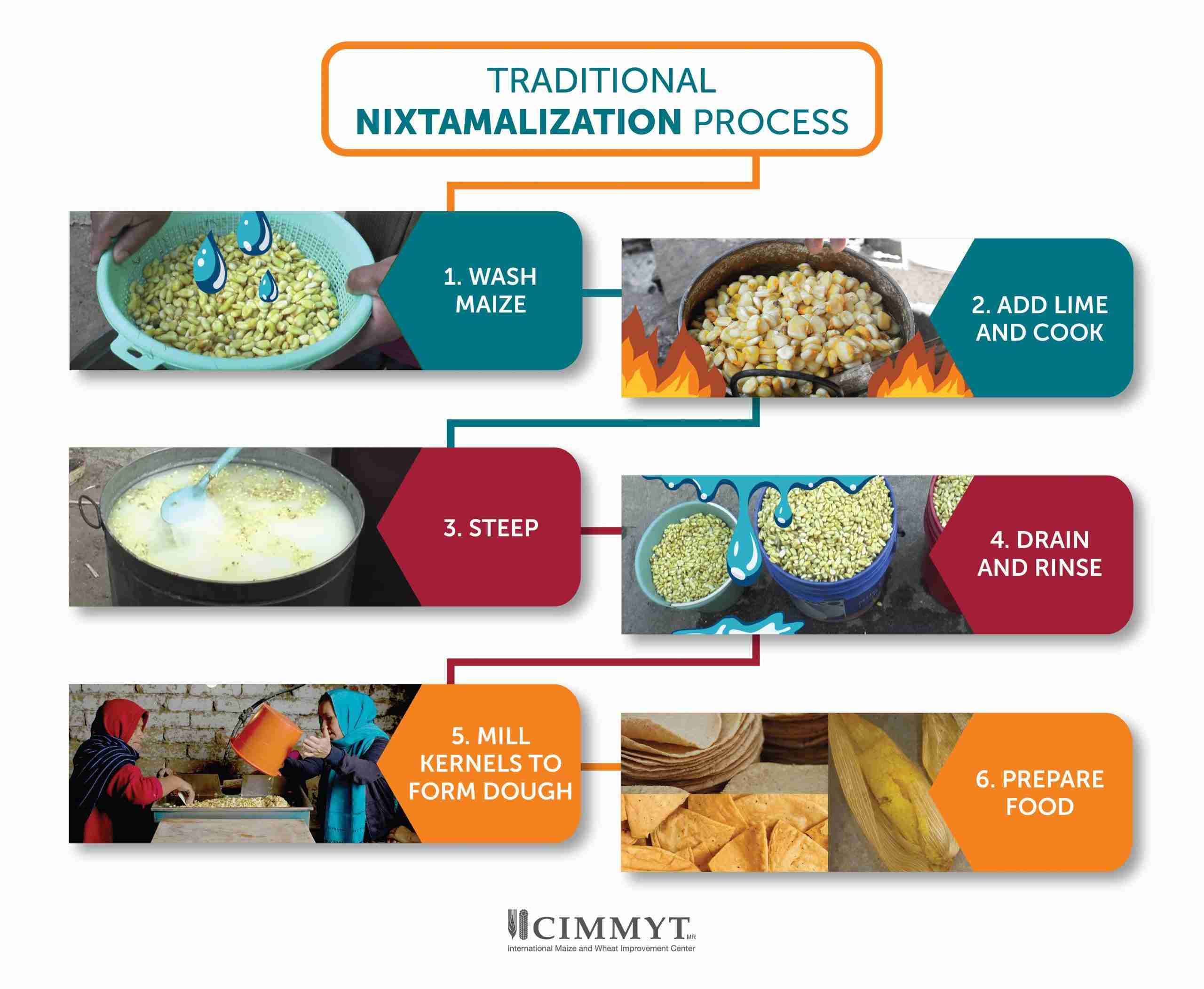
Traditional corn processing methods have been passed down through generations, rooted in the cultural practices of indigenous communities around the world. These methods often involve hand-harvesting the corn, sun-drying it, and grinding it into flour using a stone mill. This labor-intensive process results in a coarser texture and a richer, more authentic corn flavor that creates a unique culinary experience.
In contrast, modern corn processing methods typically involve industrial machinery and chemical additives to streamline the production process. While this approach may be more efficient and cost-effective, it can also lead to a loss of flavor and nutritional value. The final product may lack the depth of taste and wholesome nutrients found in traditionally processed corn products. To showcase the differences between traditional and modern corn processing methods, let’s take a closer look at the impact on taste and nutrition:
| Processing Method | Taste | Nutrition |
|---|---|---|
| Traditional | Rich, authentic corn flavor | Retains more vitamins and minerals |
| Modern | Milder flavor, may contain additives | May have lower nutritional content due to processing methods |
By understanding the nuances of corn processing methods, consumers can make informed choices about the products they purchase and support sustainable, traditional practices in the food industry. Whether enjoying a homemade tortilla made from hand-ground corn or opting for a store-bought corn product, the art of corn processing connects us to the land and cultural heritage that has sustained communities for centuries.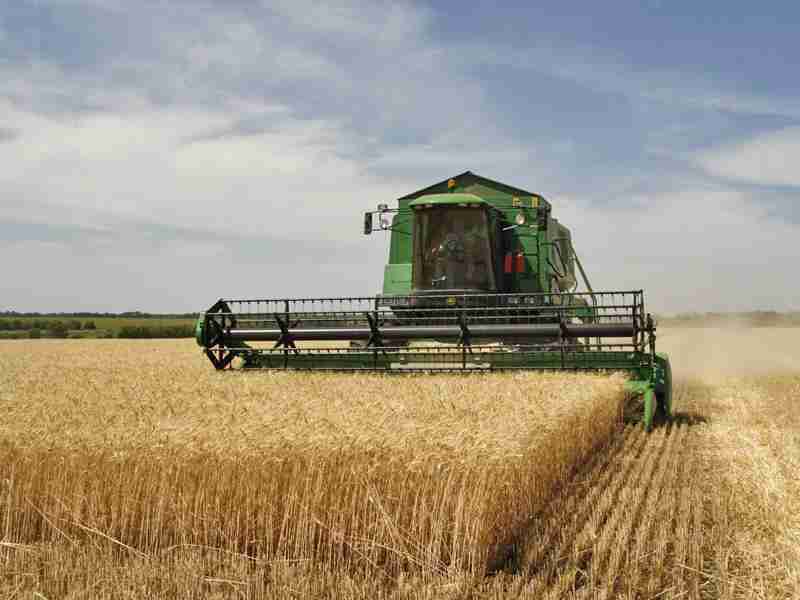
– From Harvesting to Milling: Best Practices for Preserving Flavor and Texture in Corn Products
Corn is a versatile crop that can be processed in a variety of ways to create delicious and nutritious products. From harvesting to milling, there are several best practices that can help preserve the flavor and texture of corn products. One important aspect of preserving the quality of corn is ensuring that it is harvested at the peak of ripeness. This helps to lock in the natural sweetness and freshness of the corn kernels.
Once the corn has been harvested, it is important to mill it properly to maintain its flavor and texture. Using the right milling techniques can help to ensure that the corn is processed efficiently and retains its nutritional value. Grinding the corn into the desired consistency is key to creating products like cornmeal, grits, and corn flour that have the perfect texture for cooking. By following these best practices from farm to table, you can enjoy the delicious taste of corn in a variety of dishes.
– Innovative Corn Cooking Tips and Recipes: Elevating Your Culinary Creations with Fresh Corn
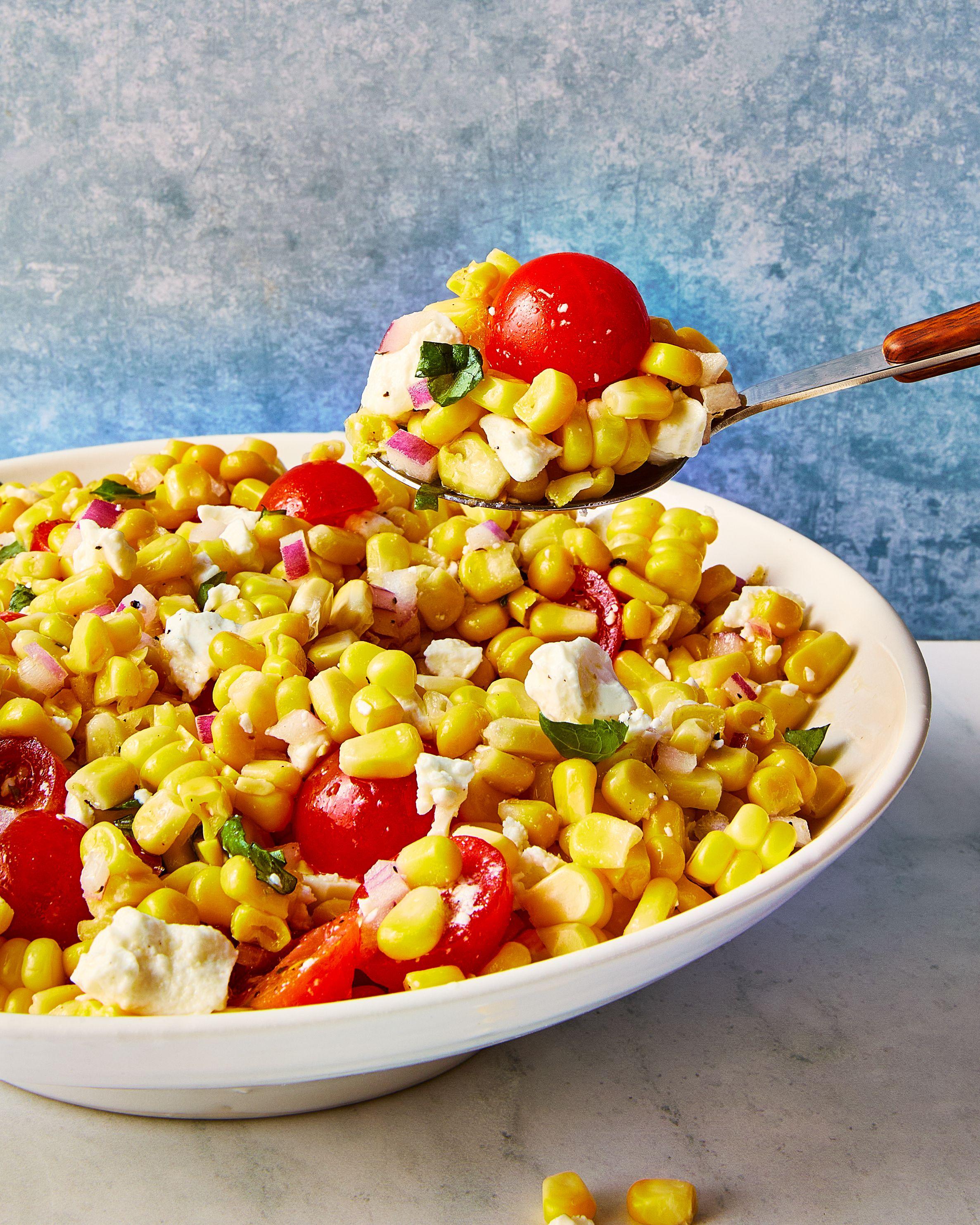
Embark on a culinary journey with fresh corn like never before with these innovative corn cooking tips and recipes. From corn on the cob to creamy corn soup, there are endless possibilities to elevate your culinary creations with this versatile ingredient.
Explore exciting ways to incorporate corn into your dishes, whether you prefer grilling, roasting, or sautéing. With the right techniques and flavors, you can transform humble corn into a gourmet masterpiece that will impress even the most discerning palates. Get ready to unleash your creativity in the kitchen and showcase the art of corn processing from farm to table.
To Wrap It Up
As we’ve delved into the fascinating world of corn processing, we’ve journeyed from the acres of golden fields to the bustling kitchens where this versatile grain transforms into a myriad of delicious dishes. From popping kernels to grinding masa, the art of corn processing has a rich history and an even richer future. So next time you indulge in a fluffy cornbread or zesty salsa, remember the intricate journey from farm to table that brought that humble corn to your plate. Embrace the magic of corn and savor each bite with a newfound appreciation for the skill and dedication required to bring this beloved ingredient to life. Cheers to the farmers, chefs, and artisans who keep the spirit of corn processing alive – may we continue to honor their craft with each delicious bite.




