
From Kernel to Table: Exploring the Journey of Corn Processing
In the heartland of agriculture, one humble grain stands as a testament to the ingenuity of farming and the complexity of culinary creation: corn. With its vibrant golden hue and versatile nature, corn has woven itself into the fabric of diets and economies across the globe. But how does this simple kernel transform into the myriad of products we consume daily? From the lush fields where corn grows to the bustling factories where it undergoes transformation, the journey of corn is a remarkable tale of nature meets technology. This article invites you to embark on a comprehensive exploration of corn processing—unveiling the intricate steps that elevate this staple crop from its natural state to the table, where families gather to savor its flavors. Join us as we uncover the science, tradition, and innovation that define the life of corn, celebrating its role in our kitchens and beyond.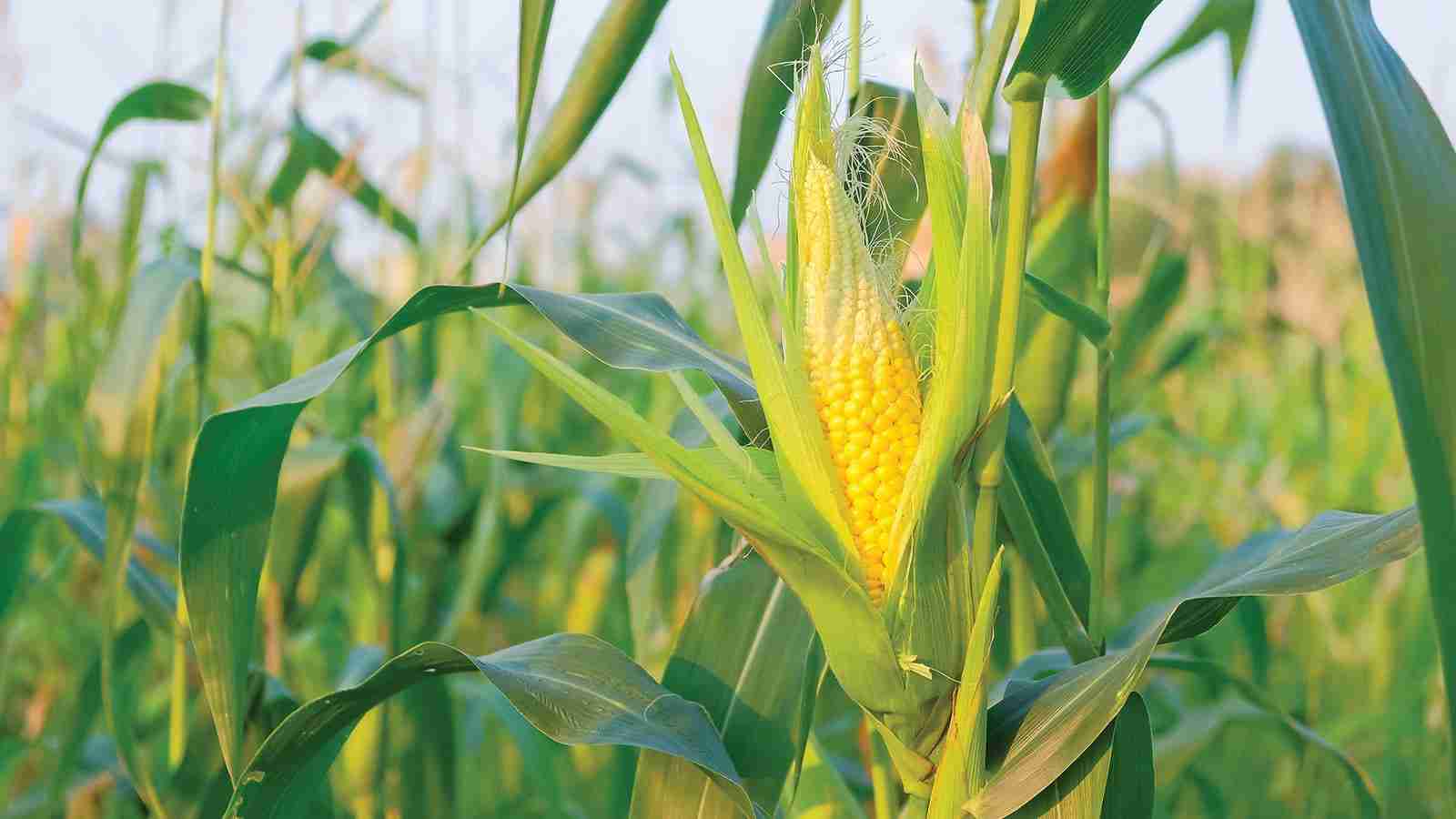
Understanding the Life Cycle of Corn: From Field to Fork
The journey of corn begins in the expansive fields where farmers meticulously plant each seed. As the sun shines and the rain nourishes the soil, the corn plants begin their transformation from small kernels into towering stalks. During the key stages of growth and development, corn undergoes several critical phases, including germination, vegetative growth, and reproductive stages. Each of these phases is influenced by various environmental factors, making it essential for farmers to monitor conditions closely. They employ sustainable practices to ensure a fruitful yield while preserving the integrity of the land. The entire process showcases the incredible resilience and adaptability of corn as it evolves in harmony with nature.
Once harvested, corn embarks on another adventure: processing. This stage is pivotal in converting raw corn into numerous products that grace our tables. The corn is first cleaned, ensuring that any debris or impurities are removed. Subsequently, it is dried to prevent spoilage, and then it undergoes a series of operations that may include milling, grinding, or freezing, depending on the end product. Here’s a glimpse of some common transformations:
| Processing Method | Product Derived |
|---|---|
| Milling | Cornmeal, Corn flour |
| Fermentation | Alcohol, Bioproducts |
| Extrusion | Corn snacks, Cereals |
| Canning | Canned corn, Creamed corn |
This diverse array of products showcases corn’s versatility, allowing it to be enjoyed in various culinary applications across different cultures. From the sweet crunch of corn on the cob to corn syrup in your favorite treats, understanding this remarkable transformation helps us appreciate the incredible journey of corn from the fields to our plates.
The Art and Science of Corn Milling: Techniques and Technologies
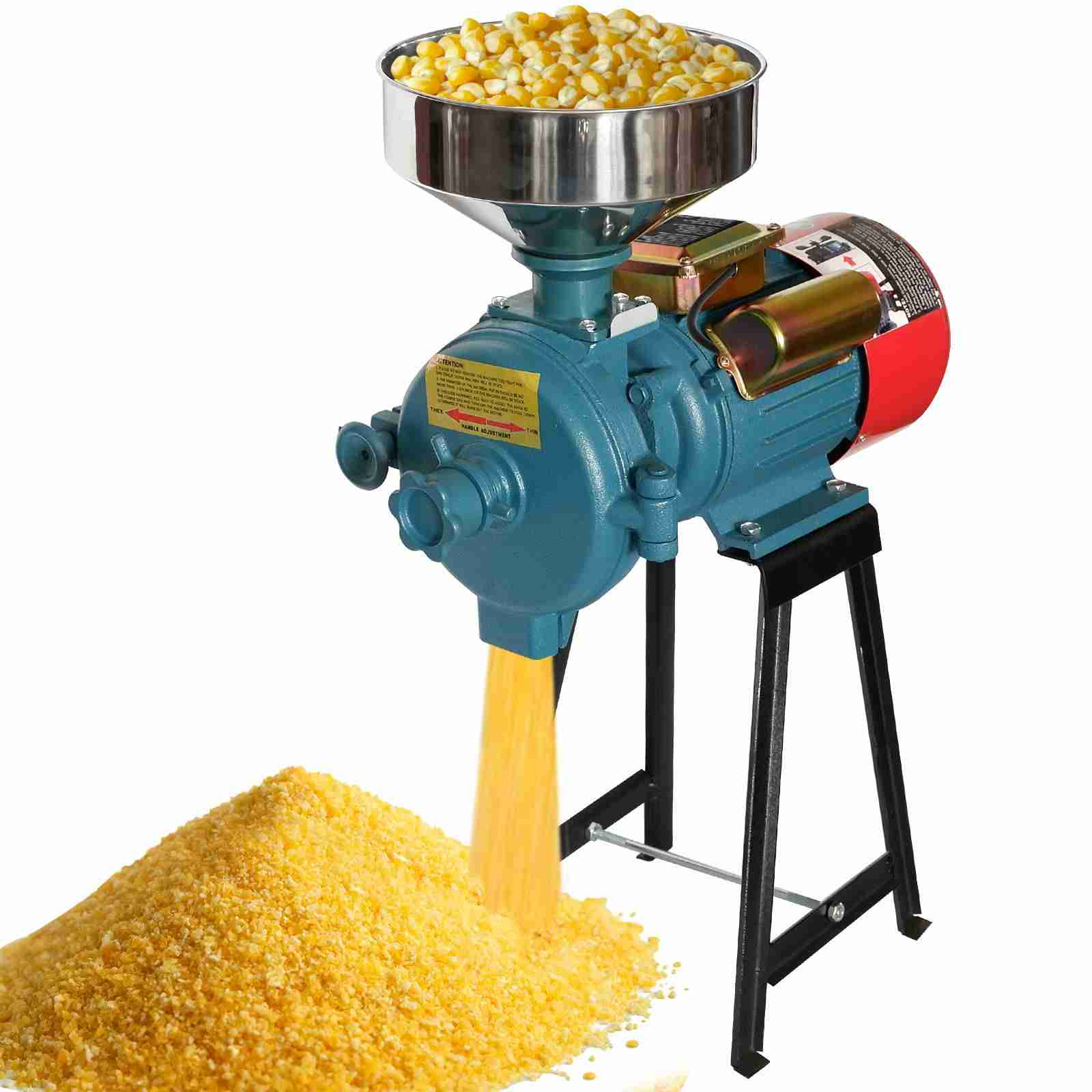
The intricate process of turning corn kernels into fine flour or grits involves a beautiful blend of art and science, utilizing both traditional methods and modern technologies. At the heart of this process are various milling techniques that can significantly affect the final product’s texture, flavor, and nutritional value. The primary methods include:
- Dry Milling: This technique involves grinding the kernels without any moisture, resulting in flour that retains the corn’s natural flavor and aroma.
- Wet Milling: In this method, the kernels are soaked in water or a mild chemical solution, which allows the separation of starches, oils, and proteins more efficiently.
- Stone Milling: A traditional approach where stones grind the corn, producing a coarser texture and often preserving more nutrients.
Complementing these techniques are advanced technological innovations that enhance efficiency and precision in milling. Innovations such as automated control systems and high-speed milling machines optimize production and ensure consistency in quality. The process can also be fine-tuned using various sifting and separation technologies to achieve the desired particle size and remove impurities. Below is a simple comparison of these modern milling technologies:
| Technology | Advantages | Disadvantages |
|---|---|---|
| Automated System | Increased efficiency, consistency | Higher initial cost |
| High-speed Milling | Faster production, less manual labor | Potential for heat generation |
| Sifting Technology | Improves flour quality, removes debris | Requires regular maintenance |
Nutritional Benefits of Processed Corn and Its Culinary Versatility
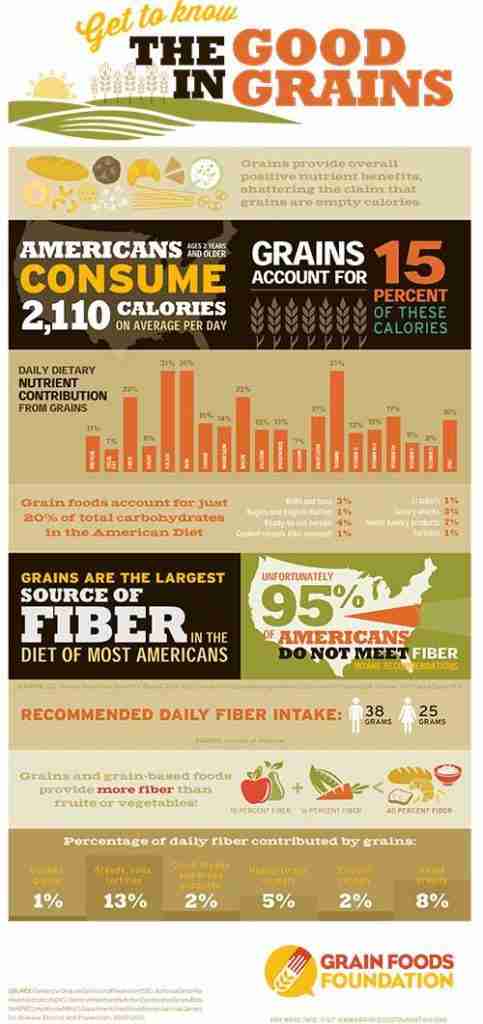
Processed corn is a nutritional powerhouse that offers various health benefits while simultaneously showcasing its adaptability in culinary applications. Rich in essential vitamins like B vitamins (especially B6 and folate), corn supports metabolic functions and overall energy levels. It’s also a great source of fiber, which aids in digestion and promotes a healthy gut. Additionally, processed corn often retains significant amounts of antioxidants, such as lutein and zeaxanthin, which are crucial for eye health. It’s worth noting that corn-based products can cater to various dietary needs, making it a versatile ingredient for those seeking gluten-free options.
In the kitchen, processed corn can transform meals with its diverse forms, ranging from cornmeal to corn syrup, and can play a starring role in both savory and sweet dishes. Here are some popular culinary uses of processed corn:
- Polenta: A creamy dish made from cornmeal, perfect as a base or side.
- Popcorn: A popular snack that can be flavored in various delicious ways.
- Corn tortillas: Essential for Mexican cuisine and ideal for wraps.
- Sweet corn pudding: A delightful dessert that highlights corn’s natural sweetness.
- Hominy: Used in soups and stews, it adds texture and heartiness.
With its diverse applications and nutritional offerings, processed corn not only enhances dietary variety but also inspires creativity in cooking across different cultures.
| Product | Nutritional Value (per 100g) | Common Uses |
|---|---|---|
| Cornmeal | 365 kcal, 7g protein, 73g carbs | Polenta, baking |
| Corn Syrup | 286 kcal, 0g protein, 75g carbs | Sweets, sauces |
| Popcorn | 387 kcal, 13g protein, 78g carbs | Snacks, toppings |
| Hominy | 205 kcal, 3g protein, 45g carbs | Soups, casseroles |

Sustainable Practices in Corn Processing: A Path Toward Eco-Friendly Production
As the demand for corn continues to rise globally, the need for sustainable practices in its processing has never been more critical. One of the forefront methods for achieving eco-friendly production involves minimizing waste at each stage of processing. By adopting circular economy principles, processors can transform what was once considered waste into valuable by-products. For instance, dried corn husks can be employed in biodegradable packaging, while the nutritious by-products from milling can be redirected to animal feed. Innovative technologies that facilitate water and energy conservation are also essential, ensuring that operations not only yield high-quality corn products but do so with a lower environmental footprint.
Additionally, the integration of sustainable sourcing strategies plays a pivotal role in fostering eco-friendly practices. To ensure a responsible supply chain, processors are increasingly looking towards local farmers who practice regenerative agriculture. This approach not only enhances soil health but also optimizes biodiversity. Moreover, consumer education about the benefits of sustainably processed corn can drive support for companies committed to these practices. Collaborative initiatives between farmers, processors, and consumers will amplify the message of sustainability championed through corn processing, creating a model that other agricultural sectors can follow.
Wrapping Up
As we conclude our exploration of corn’s remarkable journey from humble kernel to the vibrant displays of our dining tables, we reflect on the intricate processes that transform this staple crop into the diverse array of products that enrich our culinary experiences. From the meticulous cultivation in the fields to the innovative processing techniques that yield everything from savory snacks to sweet syrups, corn stands as a testament to human ingenuity and agricultural prowess.
Each step of this journey embodies a blend of tradition and modernity, highlighting the collaboration between nature and technology. As we savor our next morsel of corn-based delight, let us appreciate not only the flavors derived from this versatile grain but also the story that each kernel carries—a narrative woven from the hands of farmers, scientists, and artisans alike.
In celebrating corn’s multifaceted contributions to our diets and cultures, we recognize the importance of sustainable practices that honor both the land and the communities that rely on it. The next time you sit down to enjoy a corn-inspired dish, remember that it’s not just food; it’s a journey—one that connects us to the earth and to each other, inviting us to savor every bite with gratitude and awareness.




